
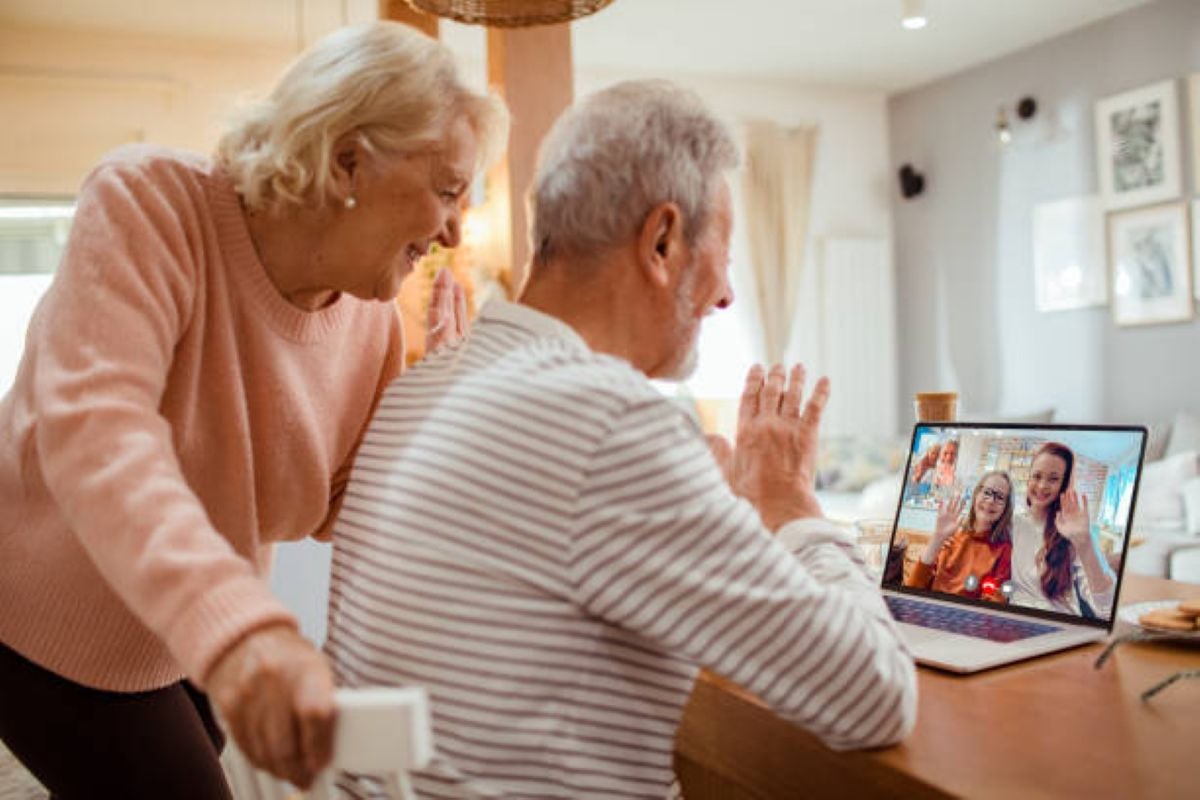

You’ve probably felt it. You open your phone and see a new photo of your grandson, and he looks taller than he did last month. Or your granddaughter says a new word on a video call, and you realize you missed the first time she said it. Loving grandkids from far away can hurt a little.
And sometimes a quiet worry creeps in. Will they really know me? Will we stay close, or slowly drift apart?
Here’s the good news. Staying close to your grandkids doesn’t depend on how many miles are between you. It doesn’t take big trips or fancy gifts either. What really matters are the small things you do again and again. A quick call, a silly card in the mail, a question about their favorite game. Those little moments add up, and kids notice them more than you’d think.
Below are eight small habits that long-distance grandparents use to stay close. None of them are hard. You don’t need to be good with technology, and you don’t need a lot of money. You can start most of them this week.
1. They Keep a Regular Video Call “Date”

Kids love knowing what’s coming next. That’s why a regular call works so well. When your granddaughter knows that every Sunday after church, Grandma’s face will pop up on the screen, it becomes part of her week. She’ll start looking forward to it, and she might even remind her mom when it’s time.
Pick a day and time that fits the family’s schedule, and try to stick with it. Talk with the parents first, since they know when the kids are rested and in a good mood. Right after school might be perfect for one family, while Saturday morning works better for another.
With little ones, keep it short. Five or ten minutes is plenty for a toddler. If the call ends while they’re still happy, they’ll want to do it again next time. Older kids can usually talk longer, especially once they get comfortable.
It also helps to have something ready to do, because “How was school?” doesn’t always get much of an answer. Read a short picture book and hold it up to the camera. Walk outside and show them your tomatoes or the bird feeder. Play a quick guessing game, like “I’m thinking of an animal.” Some grandmas even keep a little basket of puppets or props near the computer just for these calls.
Don’t worry if the call gets a little messy. Kids wander off, the screen freezes, or someone starts crying. That’s normal. What matters most is that you keep showing up, week after week. Over time, those calls become something your grandkids can count on, and that’s what makes you feel close.
2. They Send Real Mail
Think about how rarely kids get mail these days. Most of what shows up in the mailbox is bills and ads for their parents. So when an envelope arrives with a child’s own name written on the front, it feels like a big deal. They get to open it themselves, and it’s just for them.
The good news is that mail doesn’t have to be long or fancy. A postcard with a few lines is plenty. Tell them what you saw on your walk, what the weather is doing, or that you thought of them today. Kids don’t need a full letter to feel loved. They just need to know you were thinking about them.
You can also tuck small surprises inside. A few stickers, a pretty leaf you pressed in a book, or a comic strip you cut out of the newspaper all make opening the envelope more fun. Some grandmas send a “joke of the week” on a little card, and the kids can’t wait to tell it at the dinner table. If your grandkids are old enough to write, add a stamped envelope with your address on it so it’s easy for them to write back.
Here’s something to remember. Kids often hold on to these letters for years. Many grown-ups still have a shoebox of cards from their grandma tucked away in a closet. Your handwriting becomes something they treasure. A text or email is nice, but a card they can hold in their hands sticks around in a way a screen never will.
3. They Learn What Their Grandkids Love Right Now
If you’ve ever asked a kid “What did you do today?” and heard “Nothing,” you know how hard it can be to get them talking. But ask about the thing they love most, and suddenly they won’t stop. That’s the secret. Find out what they’re into right now, and you’ll have plenty to talk about.
Kids’ interests change fast. Last year it might have been dinosaurs, and this year it’s a certain cartoon, a video game, a soccer team, or a book series everyone at school is reading. So ask often. “What’s your favorite show right now?” or “Who’s your favorite player?” are great places to start. The parents can fill you in too.
Then do a little homework. Watch an episode of the show they love. Read the first book in the series. Look up how their favorite game works, or ask them to teach you. You don’t have to become an expert or even enjoy it very much. You just need to know enough to ask good questions, like “Wait, so what happened to that character?”
When kids see that you care about the things they care about, they feel seen. And there’s a bonus. Kids love being the teacher. Letting your grandson explain the rules of his game, even if it takes twenty minutes, tells him that what he loves matters to you. That kind of connection is what keeps you close, no matter how many miles are between you.
Read Also: 10 Questions Grandkids Actually Love Answering Instead of “What Did You Do Today?”
4. They Create Shared Rituals Across the Miles
You can’t be in the same room, but you can still do the same thing at the same time. That’s what makes shared rituals so special. Even with hundreds of miles between you, it feels like you’re side by side.
There are lots of easy ways to do this. You could each get a copy of the same chapter book and read a chapter every week, then talk about it on your call. You could bake the same cookie recipe together over video, with both kitchens getting messy at once. Or pick a Friday night, start the same movie at the same time, and grab some popcorn. You can text each other during the funny parts or call afterward to talk about your favorite scene.
If your grandkids like being outside, try planting seeds at the same time. Sunflowers and beans grow fast, so kids don’t have to wait long to see something happen. Send photos back and forth and see whose plant gets taller. Kids love a little friendly contest, especially if Grandma’s plant is losing.
The real magic is that these rituals become “our thing.” It’s something only you and your grandchild share, and nobody else is part of it. Years from now, they may not remember every call, but they’ll remember baking cookies with Grandma every December or the book series you read together. Those memories stick.
Love Being a Grandma?

Join 33,762+ grandmas who wake up to a cheerful, uplifting email made just for you. It’s full of heart, sprinkled with fun, and always free. Start your mornings with a smile—sign up below! ❤️
5. They Stay on Good Terms With the Parents
This one doesn’t get talked about enough, but it matters a lot. When your grandkids are young, their parents decide how much time you get with them. They set up the calls, help mail the letters, and plan the visits. If things are good between you and the parents, everything else gets easier.
Start by respecting how they run their home, even if it’s different from how you did things. Maybe they limit sweets, have a strict bedtime, or handle screen time in a way that surprises you. Go along with it. Before you send a big gift, a box of candy, or a new toy, check with them first. A quick “Would it be okay if I sent this?” shows respect and avoids hurt feelings.
It’s natural to want to share advice, especially since you’ve raised kids yourself. But young parents are often tired and stretched thin, and even kind advice can feel like criticism. Try offering help instead of opinions. “Is there anything I can do?” or “You’re doing a great job” goes a long way. If they ask for your advice, then share it gently.
And don’t forget to say thank you. Keeping up with Grandma takes time and effort for busy parents. Let them know you notice when they set up a call or send you photos. When parents feel appreciated and supported, they’ll want to keep you close, and their kids will too.
6. They Share Family Stories and Traditions
Kids love hearing stories about their parents when they were little. Tell your granddaughter about the time her dad got his head stuck in the stair railing, or how her mom insisted on wearing a princess costume to the grocery store for a whole month. Their eyes will light up. It’s hard for kids to picture their parents as children, so these stories feel like a peek into a secret world.
Stories about the rest of the family matter too. Where did your parents grow up? What was school like for you? How did your family celebrate Christmas or the Fourth of July? These stories help kids understand where they come from. They start to see themselves as part of something bigger, a family that goes back a long way.
You don’t have to wait for a call to share them. Try recording yourself telling a story, either on your phone’s voice recorder or on video. Kids can listen again and again, and someday those recordings will be priceless. You could also put together a simple family recipe book with the dishes you always make, plus a note about who taught you each one. Or dig out some old photos, write a few lines on the back about who’s in them and what was happening, and mail them off.
Every story you share is like handing your grandkids a piece of their own history. And when you’re the one telling it, they connect that history with you.
Read Also: The 5 Qualities Grandchildren Respect Most About Their Grandmothers, According to Research
7. They Show Up for the Big (and Little) Moments
When you live far away, it’s easy to miss things. That’s why it helps to keep a calendar just for your grandkids. Write down their recitals, ball games, school plays, first days of school, and birthdays. Ask the parents to keep you in the loop when new things come up.
Then make sure to reach out. Send a quick text before the big game wishing them luck. Mail a card after the school play telling them how proud you are. Record a short video saying “Happy first day of third grade!” It only takes a minute, but it tells your grandchild that you know what’s going on in their life and you care about it.
If you can’t be there in person, see if you can watch from home. Many schools and sports leagues stream events online now, and parents can often set up a video call so you can watch live. If that’s not possible, ask for photos or a short video clip afterward. Then call and ask about it. “I saw your dance! What was your favorite part?” means so much to a kid.
And don’t skip the small stuff. A lost tooth, a good grade on a spelling test, or finally learning to ride a bike might not seem like big news, but to a child it’s huge. When Grandma remembers those little wins, kids feel truly special. Often, it’s the small moments you notice that they remember most.
8. They Make Visits Meaningful When They Happen

When you finally get to see your grandkids in person, it can be tempting to pack every minute with plans. But the best visits usually aren’t the busiest ones. They’re the ones where you really get to be together.
Start the fun before you even arrive. A countdown gives kids something to look forward to. You could mail a paper chain with one link for each day until your visit, or send a quick message each morning saying “Only five more days!” By the time you walk through the door, they’ll be bursting with excitement.
If you have more than one grandchild, try to spend a little one-on-one time with each of them. It doesn’t have to be fancy. A trip for ice cream, a walk to the park, or a stop at the library is plenty. Kids open up more when they don’t have to share you, and they feel extra special when Grandma picks them for an outing.
It’s also nice to have a small tradition that happens every visit. Maybe you always make pancakes on the first morning, play the same card game, or bring a new book to read together before bed. These little traditions give each visit a familiar feel, and kids will start asking about them before you even get there.
And leave room for plain old hanging out. Some of the sweetest moments happen when nothing is planned at all, like coloring at the kitchen table or sitting on the couch while they show you their favorite things.
After you go home, keep the memories alive. Put together a simple photo book of your visit and mail it to them. Or on your next call, say “Remember when we fed the ducks?” and laugh about it together. That way, the visit doesn’t just end when you leave. It becomes something you both carry with you.
Final Thoughts
Here’s the most important thing to remember. Your grandkids won’t measure your love by how many miles away you live. They’ll remember that you called every Sunday, that your letters showed up in the mailbox, and that you knew the name of their favorite cartoon character. What matters is showing up again and again.
You don’t have to start all eight habits at once. That would wear anyone out. Pick one or two that feel easy and fun for you. Maybe you set up a weekly call and start mailing a postcard now and then. Once those feel natural, add another. Small steps really do add up.
A grandmother’s love travels well. It fits inside an envelope, comes through a phone screen, and shows up in a story told for the hundredth time. Every little thing you do sends your grandchild the same message: “You matter to me, and I’m always thinking of you.” And that’s a message no amount of distance can stop.
Love Being a Grandma?
Join 33,762+ grandmas who wake up to a cheerful, uplifting email made just for you. It’s full of heart, sprinkled with fun, and always free. Start your mornings with a smile—sign up below! ❤️