
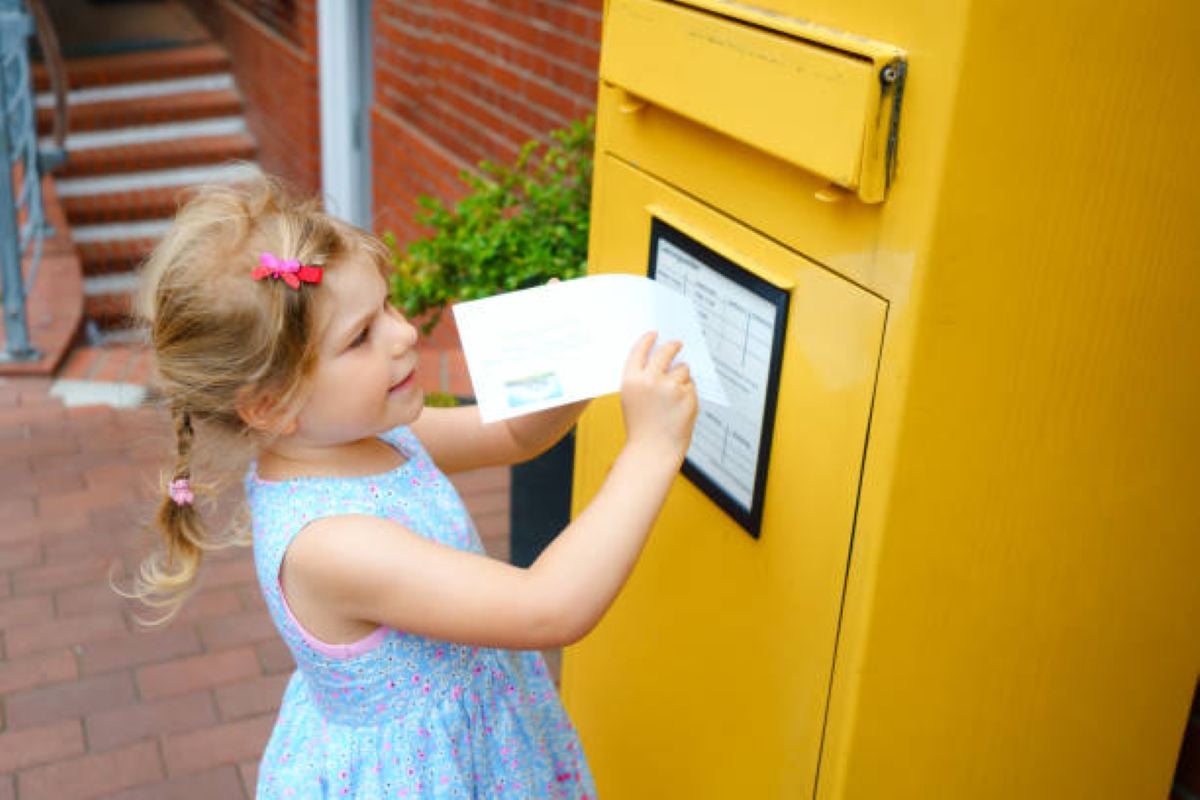

Think about the last time you got a real letter in the mail. Not a bill, not an ad, but an actual letter with your name written on the front by someone who loves you. It felt good, right?
Kids feel that too, maybe even more. Most of what they read every day comes from a screen. So when an envelope shows up with their name on it, it’s a big deal.
But here’s the thing a lot of grandmothers run into: you send a sweet letter, and then… nothing. No reply. It’s easy to feel a little hurt, or to wonder if they even read it.
Most of the time, it’s not that they don’t care. It’s that they don’t know what to say back. If your letter tells them about your week and says you love them, that’s lovely, but it doesn’t give them much to answer. Writing back starts to feel like a school assignment.
The good news is that this is easy to fix. When your letter asks them something, makes them curious, or gives them a little job to do, writing back feels fun. Here are 10 ideas to try.
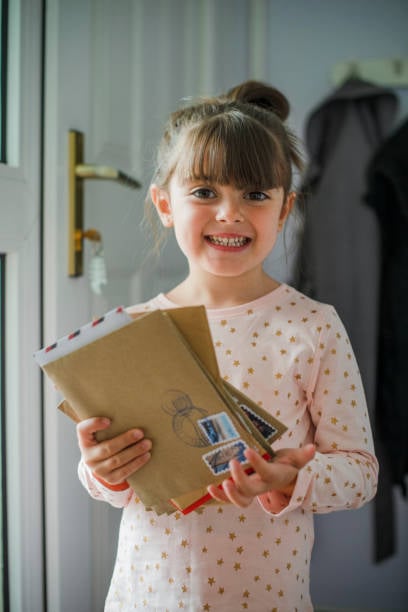
1. A “Would You Rather” Question
If you want a reply, ask a question. And one of the best kinds to ask is a “would you rather.”
These are simple: you give two choices, and they pick one. For example:
- Would you rather live in a treehouse or on a houseboat?
- Would you rather have a pet dragon or a pet unicorn?
- Would you rather eat pizza for every meal or never eat pizza again?
- Would you rather be able to fly or be invisible?
Kids love these because there’s no wrong answer. They just get to say what they think, and kids have plenty of opinions. Even a child who doesn’t like writing can manage “Treehouse, obviously!”
To get even more out of it, ask them to tell you why they picked their answer. Then share your own pick and your reason. You might be surprised by how much you learn about them from a silly question about dragons.
Match the question to their age. Little ones will enjoy the goofy ones. Older kids and teens might like something that makes them think, like “Would you rather visit the past or the future?”
And save a few extra questions for next time. Once they know a new one is coming, they’ll start looking forward to your letters.
Read Also: 50 Unique Would You Rather Questions to Explore the Dreams of Your Grandchildren
2. A Story About Their Parent at the Same Age
Kids have a hard time picturing their parents as kids. To them, Mom and Dad have always been the grown-ups who make the rules. So a story about when their parent was little can feel like finding a secret.
Think back to when your son or daughter was about your grandchild’s age. What do you remember? Maybe:
- The time they cut their own bangs right before picture day
- The pet frog they hid under their bed for a week
- The school play where they forgot every line
- The “I’m running away” moment that ended at the end of the driveway
Funny or slightly embarrassing stories work best. Kids love finding out that their parent wasn’t always perfect. And yes, they’ll probably tease Mom or Dad about it at dinner. That’s part of the fun.
Just keep it kind. You want a story that makes everyone laugh, not one that would truly hurt your child’s feelings. If you’re not sure, ask yourself whether your son or daughter would laugh about it now.
End with a question to keep things going. Something like, “Has anything like that ever happened to you?” or “Ask your mom about the frog. I bet she’ll tell you her side of the story!”
Read Also: 7 Exciting Ways to Share Your Family History With the Grandkids
3. A Small Mystery or Riddle
Nothing gets a kid to write back faster than wanting to know the answer.
Add a little puzzle to your letter. It could be:
- A riddle: “What has hands but can’t clap?” (A clock.)
- A guessing game: “I found something in the attic that belonged to you when you were a baby. Can you guess what it is?”
- A clue: “There’s something hidden at my house for you. Here’s your first hint: it’s somewhere warm.”
Here’s the trick: don’t give away the answer in the same letter. Tell them they’ll find out once they write back with their guess. Now they have a real reason to reply.
You can even keep it going letter after letter. Send one clue at a time, like a scavenger hunt by mail. When they finally visit, the “treasure” is waiting for them.
Pick riddles that fit their age. A riddle that’s too easy is boring, and one that’s too hard is frustrating. If you’re stuck, a quick search for “riddles for kids” will give you plenty to choose from.
Read Also: 30 Funny Riddles for Kids That Will Make Them Think Twice
4. Something You’re Learning Right Now
Kids spend all day being the ones who are learning. They’re always the beginner, always being told how to do things. So imagine how good it feels when a grown-up asks them for help.
Tell your grandchild about something new you’re trying. It doesn’t have to be fancy. Maybe you’re:
- Learning to play pickleball (and missing the ball a lot)
- Trying a new recipe that didn’t turn out quite right
- Figuring out how to send pictures on your phone
- Starting to knit, paint, or garden
Be honest about the parts that are hard. If your first loaf of bread came out flat as a pancake, say so. Kids love hearing that grown-ups mess up too.
Then ask for their advice. “Do you have any tips for me?” or “How do you get better at something when it’s hard?” If it’s a phone or tablet question, even better. Most kids know more about apps than we do, and they’ll be thrilled to explain.
When they write back with tips, try them out and report back. “I did what you said, and it worked!” That makes them feel smart and helpful, and it gives you both something to talk about next time.
Read Also: 10 Simple Ways to Use Technology to Bond with Your Grandkids
5. A Pressed Flower, Sticker, or Tiny Surprise Tucked Inside
There’s something fun about opening an envelope and having a little surprise fall out. It turns a letter into a gift.
The surprise doesn’t need to cost much. Just pick something flat that fits in the envelope, like:
- A pressed flower or a pretty leaf from your yard
- A sticker or two
- A bookmark
- A neat stamp or postcard from somewhere you visited
- A recipe card for their favorite cookies
- A crisp dollar bill (always a hit)
Tell them a little about it, too. “This leaf came from the big maple tree in my front yard” makes it feel special.
Then ask for something back. Invite them to send you a tiny treasure from their world. It could be a drawing, a sticker, a leaf from their backyard, or a photo. Now writing back isn’t just writing. It’s a trade, and kids love trading.
One quick tip: if the envelope ends up lumpy or thick, ask at the post office before you mail it. Some bulky letters need a little extra postage.
Read Also: 17 Affordable Flat Things to Mail to Your Grandchildren for Memorable Surprises
6. A Confession of a Childhood Mistake
To your grandchild, you might seem like you’ve always been a grandma. Wise, calm, and full of good advice. It’s hard for them to picture you as a kid who got into trouble.
So tell them about a time you did.
Maybe you:
- Broke your mom’s favorite dish and hid the pieces
- Got caught passing notes in class
- Ate the cookies that were meant for company
- Told a fib that got way bigger than you planned
Kids eat these stories up. They can’t believe Grandma ever did something like that. And it makes you feel more like a friend they can relate to.
Share what happened next, too. Did you get caught? Did you confess? What did you learn? You don’t need to make it a big lesson. Just let the story speak for itself.
These stories also help kids trust you. When they see you were once a kid who made mistakes, they may feel more comfortable telling you about theirs.
Then turn it back to them: “Have you ever done something you were afraid to tell anyone about?” You might not get a big confession right away. But you’re letting them know you’re a safe person to talk to.
Love Being a Grandma?

Join 33,762+ grandmas who wake up to a cheerful, uplifting email made just for you. It’s full of heart, sprinkled with fun, and always free. Start your mornings with a smile—sign up below! ❤️
7. A “Fill in the Blank” Section
Sometimes kids want to write back, but staring at a blank page feels like too much. A fill-in-the-blank section makes it easy.
Add a few short prompts at the end of your letter, like:
- My favorite thing to eat for lunch is ____.
- If I had a superpower, it would be ____.
- The best part of my week was ____.
- Right now, I’m really into ____.
- When I grow up, I want to ____.
Leave space so they can write right on your letter. Some kids will fill in one word. Others will squeeze in a whole story. Either way, you’ve gotten a reply.
Here’s the most important part: tuck in an envelope that’s already addressed to you and has a stamp on it. That way, they don’t have to hunt for an envelope, ask a parent for a stamp, or remember your address. They just fill it in, seal it, and drop it in the mailbox.
You can change the prompts every time, too. Before long, you’ll have a little collection of their answers to look back on. It’s fun to see how their answers change as they grow up.
8. A Question Only They Can Answer
“How’s school?” is probably the most common question kids get from grown-ups. And the most common answer is “Fine.” That’s the end of the conversation.
The problem is that it’s a question anyone could ask. Try asking about the things only they know about instead. Like:
- Who’s your best friend right now, and what do you two like to do?
- What game is everyone playing at recess these days?
- What song can’t you stop singing?
- What’s the funniest thing that happened this week?
- What’s a show or video you think I’d like?
These questions show you’re curious about who they are, not just whether they’re doing their homework. Kids can tell the difference.
You might not know what their answers mean at first. That’s okay. If they tell you about a video game or a singer you’ve never heard of, ask them to explain it. They’ll love teaching you about their world.
Pick just one or two questions per letter. A long list can feel like a test. A couple of good questions feels like a real conversation.
Read Also: 10 Questions Grandkids Actually Like Answering to Replace “How’s School?”
9. A Piece of Family History With a Cliffhanger
You know things about your family that nobody else does. And one day, your grandchild will wish they’d asked you about them. Letters are a great way to share those stories now.
Pick a story from your family’s past, such as:
- How you and Grandpa met
- How your parents or grandparents came to America
- What your town was like when you were growing up
- A family legend, like the great-uncle who supposedly met a famous person
Now here’s the fun part: don’t tell the whole story at once. Stop right at the good part.
“So there I was, stuck in the snow on the side of the road, when a stranger in a red truck pulled up. And that stranger turned out to be… well, I’ll tell you in my next letter!”
It’s like the end of a TV episode that makes you want to watch the next one. They’ll write back just to find out what happened.
You can also invite them to guess. “Who do you think it was?” Their guesses might make you laugh.
As a bonus, you’re passing down your family’s story in your own words. Your grandchild may hold on to these letters for years.
10. An Invitation to Start Something Together
A single letter is nice. But a project you share keeps you both writing for months.
Invite your grandchild to start something with you. Here are a few ideas:
- Read the same book. Pick a book you can both read, then talk about it in your letters. “What did you think of the part where the dog ran away?”
- Trade drawings. Send them a drawing (stick figures count!) and ask them to send one back. Or start a drawing and ask them to finish it.
- Write a story together. You write the first paragraph, then mail it to them. They add the next paragraph and send it back. Keep going until the story is done.
- Keep a weather log. Each of you writes down the weather where you live and compares. Great for grandkids who live far away.
Let them help decide what you do. If they’re into dinosaurs, write a dinosaur story. If they love art, trade drawings. When it’s their idea too, they’ll care more about keeping it going.
The best part is that every letter now has a purpose. They’re not just writing back. They’re adding their part to something you’re making together, and they’ll look forward to seeing what you add next.
Read Also: Science Says Grandchildren Feel Close to Grandparents Who Do These 5 Simple Things
Final Thoughts
Getting your grandchild to write back isn’t about writing the perfect letter. It’s about writing one that feels like a conversation, not a report.
Keep your letters short and warm. Share a little about your life, then ask a question or two. Give them something to guess, answer, or add to. The more you invite them in, the more likely they are to reply.
And make it easy for them. Tuck in some fun paper, a stamped envelope with your address, and maybe a sticker or two. You could even add a playful challenge, like “Let’s see if you can write back before Halloween!”
Don’t worry if they don’t reply every time. Kids get busy, and some just take longer to warm up to writing. Keep sending your letters anyway. Each one tells them you’re thinking of them.
One day, your grandchild might find a box of your letters in a closet. They’ll read about the riddles, the family stories, and the time you hid the broken dish. And they’ll be so glad you took the time to write.
Love Being a Grandma?
Join 33,762+ grandmas who wake up to a cheerful, uplifting email made just for you. It’s full of heart, sprinkled with fun, and always free. Start your mornings with a smile—sign up below! ❤️