

You know the moment. The car pulls into the driveway, the door flies open, and your grandchild runs right past the gift bag on the table and straight into your arms. Or maybe it’s the phone call where they skip the hello and jump right into telling you about their day, like you’ve been there the whole time.
Have you ever wondered why that happens?
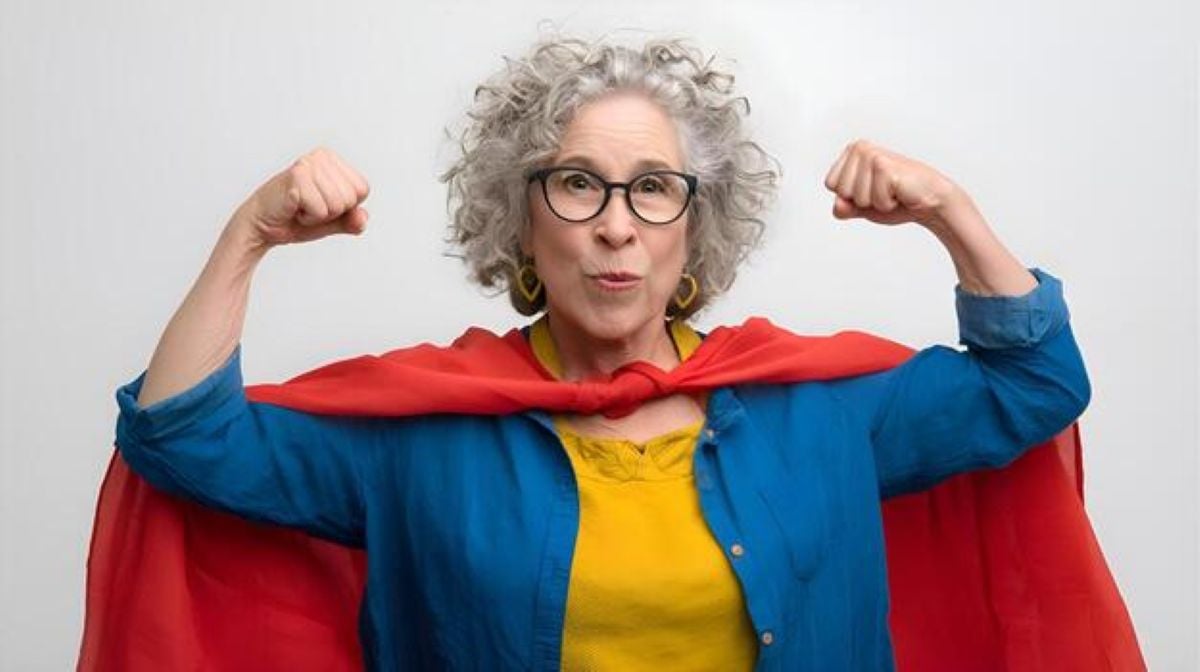
It’s probably not the cookies, the toys, or even the trip to the zoo. Those are nice, but they aren’t what kids remember most. What they hold onto are the quiet things you do without even thinking about it. You don’t plan them, and you might not notice them. That’s why I’m calling them “silent” superpowers.
Researchers have studied this. Scientists who study the brain, the mind, and families have looked closely at what grandmothers give their grandkids. In one study at Emory University, researchers looked inside the brains of 50 grandmothers while they looked at photos of their grandchildren, who were between 3 and 12 years old. What they found is something you’ve probably felt all along.
Here are five of those superpowers, what the research says about each one, and simple ways to use them on purpose.
Superpower #1: You Feel What They Feel
When your grandchild is happy, you’re happy. When they’re sad, your heart sinks right along with theirs. That isn’t just you being sentimental. It’s how your brain is built.
In the Emory study, the grandmothers looked at photos of their grandkids while a machine tracked what was happening in their brains. The parts of the brain that let you feel someone else’s emotions lit up strongly. When the same grandmothers looked at photos of their own grown children, those feeling parts didn’t light up as much. Instead, their brains switched to “understanding mode,” working out what their adult child might be thinking.
The lead researcher, James Rilling, put it simply: “If their grandchild is smiling, they’re feeling the child’s joy.” In other words, you aren’t just watching their happiness from the sidelines. You’re sharing it.
Here’s a fun extra. Rilling had studied dads before, so he compared the two groups. Grandmothers showed even stronger activity in the brain areas tied to feeling for others and wanting to help. So the next time someone says grandmas have a special bond, you can tell them science agrees.
Why does this matter so much to your grandkids? Kids can tell when someone is really with them. When you get excited about their lost tooth or go quiet with them when their goldfish dies, they feel understood without having to explain. That’s a powerful feeling for a child, and a lot of kids don’t get it often.
Want to use this superpower on purpose? Next time your grandchild is upset, hold off on fixing the problem or cheering them up. First, just say what you see. “Oh, that sounds so disappointing.” Then wait. Those few words tell them you get it, and that matters more to them than any advice.
Superpower #2: You Hold the Family Stories
Think about all the things you know that nobody else in the family does. How you met Grandpa. What your street looked like when you were nine. The time your son, now a grown man with a mortgage, got his head stuck in the stair railing. You’re the family’s living library, and those stories are worth more than you might think.
Two psychologists at Emory University, Marshall Duke and Robyn Fivush, wanted to know if it matters how much kids know about their family’s past. So they made a list of 20 simple questions, called the “Do You Know?” scale. The questions were things like “Do you know where your grandparents grew up?” and “Do you know where your name came from?”
What they found surprised them. Kids who could answer more of these questions felt better about themselves. They felt more in control of their lives, worried less, and had fewer behavior problems. Their families also got along better.
The best part, especially for grandmothers, is this. The kids who did best when life got hard weren’t the ones who only heard happy stories. They were the ones who knew their family had been through ups and downs and made it through. So your stories about the lean years, the move that didn’t go as planned, or the job you lost and how you bounced back aren’t too sad to share. They may be the most important ones you have.
Why do grandkids love these stories? Because they help a child feel like they belong to something bigger than just themselves. And let’s be honest, nothing makes a grandchild’s eyes light up quite like a story that starts with “When your dad was little…”
Here’s an easy way to start. Pick three or four questions from that list, like how you met Grandpa, where you grew up, or how they got their name. Then tell just one story the next time you visit or call. You don’t need a big sit-down moment. Stories often go over best while you’re folding laundry or driving to the store.
Read Also: Science Says Grandchildren Feel Close to Grandparents Who Do These 5 Simple Things
Superpower #3: You Make Them Kinder
Here’s one you might not expect. When kids are close to their grandparents, it changes how they treat other people, even total strangers.
Researchers at Brigham Young University followed about 400 families with kids between 10 and 14 years old. None of the kids lived with their grandparents. The researchers wanted to see whether having a warm, close bond with a grandparent made any difference in how the kids behaved.
It did. Kids who felt close to a grandparent were more likely to be kind, helpful, and giving toward others. And this held true over time, in families with one parent and with two. Even after the researchers accounted for how close the kids were to their own parents, the grandparent bond still made its own difference.
So what did that kindness actually look like? These kids were more likely to reach out to people outside their usual group of family and friends. They helped others even when it was a hassle. And they were more likely to volunteer.
If you live far from your grandkids, take heart. The study’s lead author, Jeremy Yorgason, pointed out that a grandparent can live far away and still feel very close to a grandchild. What matters is the connection, not the miles. Phone calls, video chats, and letters all count.
Why does this happen? Part of it is that kids learn by watching. When they see you bring soup to a sick friend or chat kindly with the cashier, they notice. You’re showing them what caring for people looks like, without giving a single lecture.
Want to use this superpower on purpose? Do one small act of kindness together. Bake cookies for a neighbor, make a card for someone who’s sick, or drop off canned food at a food bank. Then tell them, in a sentence or two, why it matters to you. That little “why” is what sticks.
Love Being a Grandma?

Join 33,762+ grandmas who wake up to a cheerful, uplifting email made just for you. It’s full of heart, sprinkled with fun, and always free. Start your mornings with a smile—sign up below! ❤️
Superpower #4: You’re the Safe Adult Who Isn’t Mom or Dad
Parents have a tough job. They’re the ones asking about homework, setting bedtimes, and saying no to the third hour of video games. Even in the most loving homes, that can make some talks feel high-stakes for a kid. Grandma is different. You love them just as much, but you’re not the one handing out rules every day. That makes you a safe place to land.
The BYU researchers we talked about earlier noticed this too. They believe that spending regular time with a caring adult outside a child’s household helps kids build important people skills, like handling their feelings and getting along with others. When the researchers asked grandkids about their relationship with a grandparent, they asked about things like whether that grandparent helped with big decisions, how well they talked together, and whether the grandparent helped them think through problems or gave advice.
Why do grandkids love this? Because you give them something that’s hard to find these days, which is calm, unhurried attention. You’re not rushing to the next thing. You have time to listen, and kids feel that.
There’s one important thing to keep in mind, though. The same researcher warned that being too involved can cause problems. This superpower works best when you’re on the parents’ team, not stepping around them.
If your grandchild tells you something serious, like they’re being bullied or they’re in some kind of danger, gently encourage them to tell their mom or dad, and offer to help them do it. If they complain about a house rule, listen kindly, but don’t take sides against their parents. You can say something like, “I hear you. That sounds frustrating. Your mom loves you a lot, and I bet she has her reasons.” That way, your grandchild feels heard, and their parents can trust you completely.
Want to use this superpower on purpose? Ask questions that need more than a yes or no, like “What was the best part of your week?” or “What’s something that’s been bugging you lately?” Then wait. Don’t rush to fill the quiet. Kids often need a few seconds before they open up. Also, the best talks usually don’t happen face to face. They happen side by side, in the car, while baking, or while working on a puzzle. When nobody’s staring at them, kids tend to say a lot more.
Superpower #5: You Let Them Take Care of You, Too
Your bond with your grandkids doesn’t stop when they grow up. In fact, it can get even better. But here’s the secret: it works best when the caring goes both ways.
Researchers at Boston College looked at survey answers from 376 grandparents and 340 grandchildren, collected over almost 20 years, from 1985 to 2004. Around the middle of the study, the grandparents were about 77 years old on average, and the grandchildren were about 31. So these were grown-up grandkids.
They found that when grandparents and adult grandkids felt close, both of them were less likely to feel depressed. The more they supported each other emotionally, the better they both felt.
And here’s the part that might surprise you. The researchers also looked at everyday help, like giving rides, helping with chores, offering advice, or slipping someone a little spending money. Grandparents who only received that kind of help, without giving any back, had the biggest rise in feeling down over time. But grandparents who both gave help and accepted it felt the best of all.
In other words, it’s not just about letting the grandkids help you. It’s about keeping the give-and-take going. You still have a lot to offer, and you need to keep offering it. But you also need to let them show up for you.
Why does this matter to your grandkids? When you ask a grown grandchild for help, it tells them you trust them and see them as an adult. That feels good. Saying yes to their help isn’t being a burden. It’s giving them a chance to love you back in a real, practical way.
Want to use this superpower on purpose? Ask a teen or grown grandchild to teach you something. Maybe it’s a feature on your phone, a new app, or a recipe they love. Let them be the expert for a change. Then keep giving in your own ways too, whether that’s sharing advice when they ask, making their favorite meal, or mailing a card with a few dollars tucked inside. That back-and-forth is what keeps the bond strong for years to come.
The Bigger Picture
Here’s something to think about. Most animals don’t live very long after they’re done having babies. But women often live for decades afterward. Why would that be?
Some scientists think grandmothers are the answer. It’s called the “grandmother hypothesis,” which is just a fancy way of saying it’s an idea scientists are testing. The thinking goes like this: long ago, grandmothers who stuck around helped feed, protect, and care for their grandkids. Those grandkids were more likely to survive and grow up healthy. Over a very long time, that help may be part of why women started living longer lives.
In fact, the Emory brain study we talked about at the start was partly inspired by this idea.
So the next time you wonder if the little things you do really matter, remember this. What grandmothers do quietly, day after day, may be part of the reason people have done so well for so long.
The Bottom Line
Think back to that grandchild running past the gift bag and straight into your arms. Now you know why. It was never really about the presents.
It’s about the way you feel their happy and sad moments right along with them. It’s the stories you tell that help them know where they come from. It’s the kindness they pick up just by watching you. It’s the calm, safe place you give them to talk. And it’s the give-and-take that keeps you close long after they’ve grown up.
None of these superpowers cost a dime. You don’t even have to live nearby to use them. A phone call, a video chat, or a letter can carry every one of them.
So here’s a little challenge. This week, pick just one superpower and use it on purpose. Then watch what happens.
And I’d love to hear from you. Which of these superpowers do you remember most from your own grandmother?
Love Being a Grandma?
Join 33,762+ grandmas who wake up to a cheerful, uplifting email made just for you. It’s full of heart, sprinkled with fun, and always free. Start your mornings with a smile—sign up below! ❤️
Sources:
- Phys.org – It’s official: Science says grannies are good for you
- Business Insider – Brain scans of grandmothers
- Futura Sciences – Grandmothers’ brains and evolution
- First Things – Family stories that make us strong
- ParentMap – The power of story
- BYU ScholarsArchive – Nonresidential grandparents’ involvement
- Church News – Grandparents matter
- Medical News Today – Boston College study
- Medical News Today – Boston College press release
- HealthDay – Closeness may ease depression