
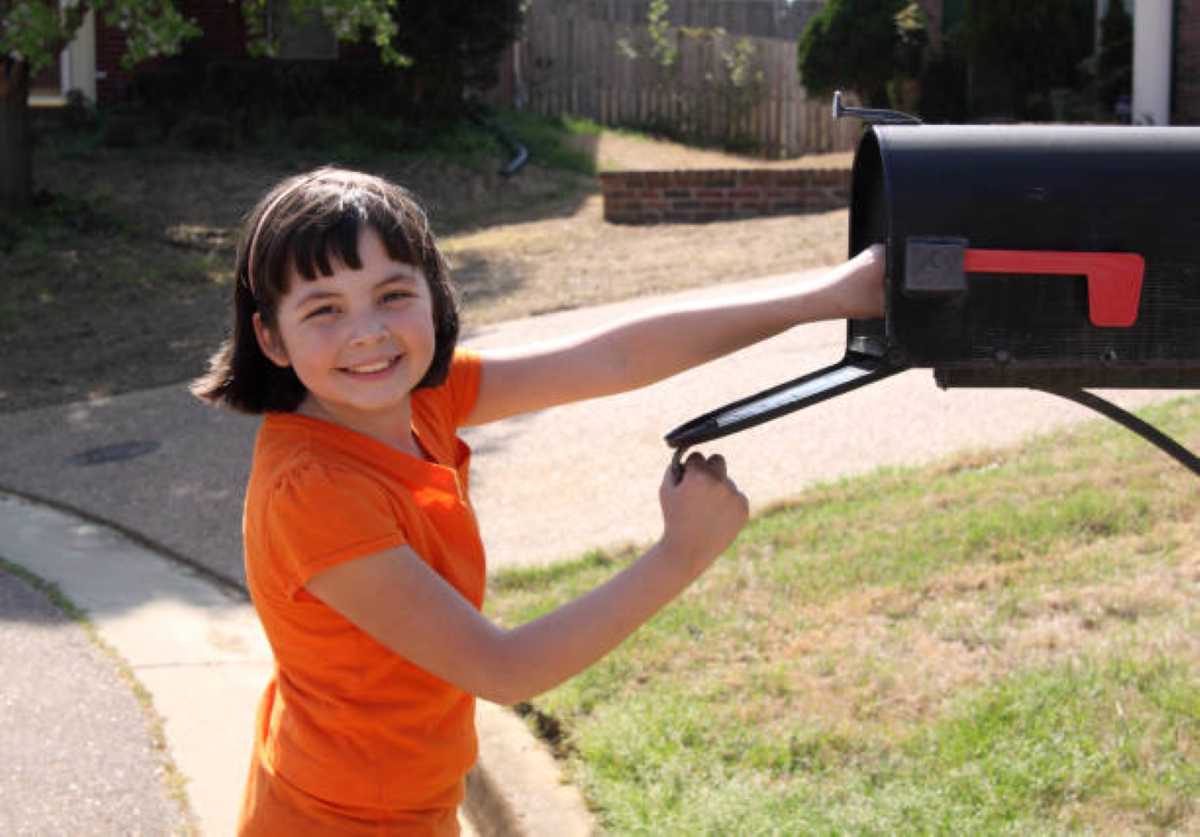

Remember how exciting it was to get mail as a kid? You’d spot an envelope with your name on it and feel like the most important person in the house.
Kids today almost never get that feeling. Most messages come through phones, texts, and video calls. Those are great, but they disappear fast. A letter is something they can hold, read again, and stick on the fridge.
Writing letters back and forth is good for kids, too. They practice handwriting and reading without even noticing. They learn to wait for something good. And they end up with a stack of letters from you that they might keep for the rest of their lives.
But here’s the catch. A plain letter that says “How is school? What did you do this week?” can feel a lot like homework. Kids want fun. They want surprises. They want something to do.
That’s what this list is for. Below you’ll find 25 pen pal ideas, sorted by type, with tips on which ones work best for different ages. You’ll also find simple ways to keep the letters coming back to you.
Getting Started
Before you mail your first letter, a little setup goes a long way. These steps make it easy for your grandkids to say yes and keep writing.
Pick a schedule and stick to it
Decide how often you’ll write. Once a week, every two weeks, or once a month all work fine. What matters is that you stay steady.
When kids know a letter is coming, they start looking forward to it. Checking the mailbox becomes part of their routine. If the letters show up at random, it’s easier for them to forget about it.
Not sure what to pick? Start with every two weeks. It’s often enough to feel exciting, and not so often that you run out of things to say.
Make writing back super easy
Kids are much more likely to reply if they don’t have to hunt for an envelope or ask a grown-up for a stamp. So do that part for them.
Tuck a return envelope into each letter. Write your address on it, add the stamp, and you’re done. All they have to do is write, seal, and drop it in the mail.
Put together a pen pal kit
Here’s a fun way to kick things off: mail your grandkids their very own pen pal kit. It makes the whole thing feel special from day one.
A kit might include:
- Fun paper or stationery
- Colored pens, markers, or gel pens
- A sheet of stickers
- A few stamped envelopes with your address already on them
- A short note saying how excited you are to be pen pals
Keep it all in a big envelope, a pencil pouch, or a small box. That way everything stays in one spot when it’s time to write back.
Match the letters to their age
A 4-year-old and a 12-year-old want very different things in the mail.
For little ones, keep it simple. Think big pictures, stickers, and coloring pages. A parent will probably read your letter out loud, and your grandchild might “write” back with a drawing. That counts!
For older kids, you can do more. Puzzles, secret codes, and stories you write together will keep them hooked. They can handle longer letters too, as long as there’s something fun inside.
Don’t worry about getting it perfect. Pay attention to what they respond to and adjust as you go.
Interactive Letters
The easiest way to get a letter back is to send one that needs an answer. These ideas turn your letter into a game your grandkids can’t wait to play and mail back to you.
1. Fill-in-the-blank letters
Write a short, silly story with some words left out. Under each blank, add a hint like “animal,” “food,” or “something gross.” Your grandchild fills in the blanks, reads the story out loud, and sends it back.
Here’s a quick example:
“Yesterday, Grandpa found a giant ______ (animal) in the backyard. It was eating a ______ (food) and wearing ______ (piece of clothing) on its head.”
The answers they pick will probably make you laugh out loud. Kids love seeing the funny story they created, and you get a peek at their sense of humor.
Tip: Make it about the two of you. Stories starring Grandma or Grandpa are extra fun to finish.
2. “Would you rather” questions
Add a few silly choices at the end of your letter and ask them to pick one. For example:
- Would you rather have a pet dragon or a pet unicorn?
- Would you rather eat pizza for every meal or never eat pizza again?
- Would you rather be able to fly or turn invisible?
Ask them to explain why. That’s where the good stuff comes out. Then answer the same questions yourself in your next letter so they can see if you think alike.
Tip: Let them send you a few questions too. Kids love trying to stump a grown-up.
3. Secret code messages
Every kid wants to feel like a spy. Write a short message in code, and include a key so they can crack it.
A simple code is swapping each letter for a number (A=1, B=2, C=3, and so on). Older kids might like a cipher wheel, which is two paper circles that spin to match up letters. You can find free printable ones online.
Keep the secret message short and fun, like “Check under your pillow” (if a parent is in on it) or “I’m coming to visit next month!”
Tip: Challenge them to write back in code. Now you have to crack it.
4. Draw-and-return pages
Start a drawing and leave it unfinished. Draw a house with no roof, a monster with no face, or half a funny animal. Then ask your grandchild to finish it and mail it back.
You don’t need to be a good artist. Stick figures are perfect. The point is to make something together, even from miles apart.
Tip: Take turns. They start the next drawing, and you finish it. Save them all in a folder, and you’ll have a fun little art book by the end of the year.
5. Puzzle letters
Write your letter on a sheet of cardstock or thick paper. Then cut it into puzzle pieces and mail the pieces in an envelope. Your grandchild has to put it together to read what you wrote.
For younger kids, cut it into 6 to 8 big pieces. For older kids, go for 15 or more with wavy edges to make it trickier.
Tip: Add a drawing or photo on the back side. Once they finish the puzzle, they can flip it over for a bonus surprise.
6. Treasure hunt clues
This one takes a little planning, but kids go wild for it. First, work with their parents to hide a small prize somewhere in the house, like a toy, a book, or a treat. Then send a series of letters, each with one clue that brings them closer to the treasure.
The clues might look like this:
- Letter 1: “The treasure is somewhere you go every single day.”
- Letter 2: “It’s in a room where you’ll find something cold.”
- Letter 3: “Look behind the box of cereal!”
Each letter makes them more excited for the next one to arrive. By the end, they’ll be racing to the mailbox.
Tip: Ask them to write back with their best guess after each clue. It keeps them writing and adds to the fun.
Read Also: 8 Things Grandchildren Secretly Love Hearing From Their Grandparents, According to Psychologists
Creative Storytelling
Kids love a good story, and they love being part of one even more. These ideas turn your letters into tales you build together, so every envelope feels like the next episode of a favorite show.
7. Round-robin story
Start a story in your letter, but stop at an exciting moment. Then ask your grandchild to write what happens next and mail it back. You keep passing it back and forth, each adding a new part.
You might start with something like:
“Once upon a time, a little mouse found a tiny golden key under the kitchen table. She picked it up, and suddenly the floor began to shake…”
Now it’s their turn! There’s no wrong answer, and the story can go anywhere: outer space, the bottom of the ocean, or Grandma’s garden.
Tip: Keep each part short, just a few sentences to a page. That way it never feels like a writing assignment.
8. Letters from the family pet
Every so often, let your dog or cat “write” the letter instead of you. Write it in the pet’s voice, and have fun with it.
“Dear Emma, it’s me, Biscuit. Grandpa says I’m not allowed on the couch, but he fell asleep, so here I am. Also, I found a sock. It’s mine now.”
Sign it with a paw print (a drawing is fine, no need to get ink on the dog). Your grandkids will think it’s hilarious, and they might even write back to the pet instead of you. That’s totally okay!
Tip: No pet? Make one up, or write from a squirrel in your yard or a bird at your feeder.
9. A traveling stuffed animal
Pick a small stuffed animal and give it a name. Then mail it back and forth between your house and your grandchild’s house. Each time it travels, include photos and a short note about what it did while visiting.
At your house, it might “help” you bake cookies, sit in the garden, or ride along to the grocery store. At their house, it might go to soccer practice or sleep in their bed. Kids love seeing their buddy’s adventures.
Tip: Stuffed animals need to go in a padded envelope or small box, so it’ll cost a bit more to mail than a letter. Choose a small, flat toy to keep the cost down, and do this one every few months instead of every time.
10. “When I was your age” stories
Kids are often surprised to learn their grandparents were ever kids too. Share a short, true story from your childhood, like the time you got lost at the fair, your first pet, or the trouble you got into with your brother.
Funny stories and “oops” moments work best. Kids especially love hearing about the times grown-ups messed up.
End by asking them a question that connects to your story, like “Have you ever gotten lost?” or “What’s the silliest thing you’ve ever done?”
Tip: Keep a list of stories as they come to mind. You’ll be surprised how many you have once you start remembering.
11. Comic strip letters
Instead of writing about your week, draw it! Fold a piece of paper into 4 or 6 boxes and draw a simple comic showing what you’ve been up to. Stick figures and speech bubbles are all you need.
Maybe box one shows you planting tomatoes, box two shows a rabbit sneaking in, and box three shows you chasing it with a broom. Even an ordinary week can be funny in comic form.
Tip: Send a blank comic page along with yours, so your grandchild can draw their week and mail it back.
Love Being a Grandma?

Join 29,000+ grandmas who wake up to a cheerful, uplifting email made just for you. It’s full of heart, sprinkled with fun, and always free. Start your mornings with a smile—sign up below! ❤️
Fun Things to Tuck Inside
A letter is nice. A letter with a surprise inside? That’s the best. These little extras make opening the envelope feel like opening a present.
12. Stickers, temporary tattoos, and other flat surprises
Small, flat goodies slide right into an envelope and make kids smile the moment they open it. A few ideas:
- Sticker sheets
- Temporary tattoos
- Bookmarks
- Trading cards
- Paper dolls or punch-out shapes
- A stick of gum or a flat piece of candy (check with parents first)
You don’t need to send a lot. One or two little things is plenty to make the letter feel special.
A quick note on stamps: If your envelope gets thick, lumpy, or stiff, a regular stamp might not be enough. The post office may send it back to you, or your grandkid’s family might have to pay the extra. When in doubt, take it to the post office and ask them to weigh it.
13. Pressed flowers or leaves
If you have a garden (or even a nice walk nearby), press a pretty flower or a colorful leaf and send it along. To press one, place it between two sheets of paper towel, tuck it inside a heavy book, and wait about a week.
Tape it to a card and write what it is, where you found it, and maybe a fun fact about it. Fall leaves, daisies, and pansies work great because they stay flat and keep their color.
Tip: Ask your grandchild to send you a flower or leaf from where they live. You can start a little collection together.
14. Seed packets for a grow-along
Mail a packet of easy-to-grow seeds and plant the same kind at your house. Then you can grow them “together” and compare how they’re doing in your letters.
Good picks for kids include sunflowers, beans, radishes, and marigolds. They sprout fast, so kids don’t get bored waiting.
Ask questions like “How tall is yours now?” or “Did yours flower yet?” You could even make it a friendly contest to see whose sunflower gets the tallest.
Tip: If your grandkids live in another country, check the rules first. Many countries don’t allow seeds to be mailed in.
15. Postcards from your outings
Anytime you go somewhere, whether it’s a museum, a zoo, a beach, or even a new diner in town, grab a postcard and send it to your grandkids. On the back, write one or two lines about what you saw or did.
Postcards are quick to write, cheap to mail, and kids love getting them. Over time, they’ll have a whole stack showing all the places Grandma and Grandpa have been.
Tip: Include a small map with a star on where you went. It’s a fun way to sneak in a little geography.
16. Recipe cards
Write down a simple recipe for a treat, like your famous cookies, a no-bake snack, or homemade lemonade. Then ask your grandchild to make it with a parent and send you a photo (or drawing!) of how it turned out.
Pick something easy with only a few steps, especially for younger kids. If it’s a family recipe, tell the story behind it, like who taught it to you or when you used to make it.
Tip: Write it on a nice index card so they can keep it. Years from now, they might still be making your cookies.
17. Mystery item envelope
Tuck a small, flat, odd little item into an envelope with just one question: “What do you think this is?”
It could be:
- An old-fashioned key
- A ticket stub from a long time ago
- A button from an old coat
- A foreign coin
- A photo of something up close, so it’s hard to tell what it is
Your grandchild writes back with their best guess. Then you reveal the answer and the story behind it in your next letter. It’s part game, part history lesson, and kids get hooked on guessing.
Tip: Ask them to send you a mystery item too. It’s even more fun when you’re the one stumped.
Read Also: 7 Grandma Behaviors That Make Our Grandkids Feel Unwelcome in Our Homes
Collections and Ongoing Projects
Some of the best pen pal ideas aren’t one-time things. They keep going letter after letter, and that gives kids a reason to stick with it. These projects grow over time, and by the end you’ll have something you built together.
18. Start a stamp or postcard collection
Every letter you send already has a stamp on it, so why not start collecting them? Pick fun, colorful stamps at the post office. There are stamps with animals, flowers, space, cartoon characters, and more. Your grandchild can cut them off the envelopes and save them.
To get things started, send a small album or a folder with plastic sleeves. You can also tuck in a few used stamps from old mail, especially ones from other countries. Those are always a hit.
Postcards work the same way. Send postcards from different places, and ask friends or family who travel to send a few too. Before long, your grandkid will have postcards from all over.
Tip: Talk about the stamps in your letters. “This one has a bald eagle on it. Did you know they can see a mouse from a mile away?” A tiny stamp can lead to a fun fact.
19. A shared scrapbook or journal
Buy a small notebook or scrapbook and use it as a journal you mail back and forth. You fill in a page or two, then send it to your grandchild. They add their pages and mail it back to you.
You can put almost anything in it:
- A short note about your week
- Drawings and doodles
- Photos
- Ticket stubs, stickers, or leaves
- Questions for the other person to answer on their page
It’s like a letter that keeps growing. After a year or two, it becomes a real keepsake filled with both of your handwriting.
Tip: A notebook is too thick for a regular envelope, so you’ll need a padded envelope and extra postage. Choose a thin, lightweight notebook to keep the cost down.
20. Countdown letters
Got something exciting coming up, like a birthday, a holiday, or a visit? Send a series of letters counting down to the big day.
For example, if you’re visiting in four weeks, send one letter each week:
- 4 weeks to go: “Guess what we’re going to do when I visit?”
- 3 weeks to go: A clue about the fun plan
- 2 weeks to go: A list of things you want to do together
- 1 week to go: “See you soon! Get ready!”
Number each envelope or write the count on the front so they know how close they’re getting. Kids love counting down, and it builds a ton of excitement.
Tip: Holiday countdowns work great too. Send a few letters in December with a small surprise or a joke in each one.
21. Sticker chart rewards
Mail your grandchild a simple chart with spaces for stickers. Every time they write back to you, they add a sticker. When they fill a row, or reach a goal like 10 letters, they get a small prize from you.
The prize doesn’t have to be big. It could be a book, a small toy, a gift card for ice cream, or a special outing next time you see them.
This works especially well for younger kids who need a little push to keep writing. Seeing the chart fill up feels great, and they’ll have something to look forward to.
Tip: Celebrate the milestones in your letters. “That’s letter number 10! I’m so proud of you!” goes a long way.
Love Being a Grandma?
Join 29,000+ grandmas who wake up to a cheerful, uplifting email made just for you. It’s full of heart, sprinkled with fun, and always free. Start your mornings with a smile—sign up below! ❤️
Learning Through Letters
Letters are a sneaky way to help kids learn without it ever feeling like school. These ideas mix in facts, brain teasers, and family stories, so your grandkids pick up something new every time the mail comes.
22. Fun fact of the week
End each letter with one cool fact. Pick topics your grandchild already loves, like animals, space, dinosaurs, sports, or bugs. A few to get you started:
- Octopuses have three hearts.
- A day on Venus is longer than a whole year on Venus.
- Honey never really goes bad. People have found honey in ancient Egyptian tombs that was still safe to eat.
Write the fact in big letters or put it in a box so it stands out. Kids will start looking for it first thing.
Tip: Ask them to send you a fun fact in return. They’ll go looking for one that will surprise you, and that means they’re learning on their own.
23. Trivia and riddle swap
Put a riddle or trivia question at the bottom of your letter, but don’t give the answer. They have to wait for your next letter to find out if they got it right.
Riddles like these are great for kids:
- What has keys but can’t open locks? (A piano)
- What gets wetter the more it dries? (A towel)
- What has hands but can’t clap? (A clock)
Older kids might like trivia questions instead, like “What’s the biggest animal that ever lived?” (It’s the blue whale, bigger than any dinosaur!)
Tip: Let them send riddles back to you. Try your best to guess, and don’t be afraid to get it wrong. Kids love it when they stump a grown-up.
24. Geography mail
Help your grandkids learn about the world, starting with where you live. Send a simple map with a star on your town and a line to theirs. Tell them how far apart you are and how long it takes to drive or fly there.
From there, you can keep going. Pick a new place every so often, like a state, a country, or a city you’ve visited. Share a few fun things about it, such as what people eat there, what the weather is like, or a famous animal that lives there.
For extra fun, write a letter “from” that place, as if you’re a traveler visiting. “Greetings from Japan! Today I saw a train that goes almost 200 miles an hour…”
Tip: Send a blank map and have them color in each place you “visit.” By the end of the year, they’ll have a map full of adventures.
25. Family history letters
Kids are often curious about where they come from, but they don’t always know what to ask. Share your family’s story a little at a time.
In each letter, tell them about one person or one moment. It could be:
- Their great-grandparents and how they met
- Where your family lived when you were growing up
- What jobs people in the family had
- A funny or brave story about a relative
Include a photo when you can. Kids love seeing what Grandma looked like at their age, or the old car the family used to drive.
Tip: Send copies of old photos, not the originals. Mail can get lost, and those pictures can’t be replaced. You can make copies at most drugstores or print shops.
Read Also: 7 Tiny But Meaningful Moments That Define How Your Grandchild Remembers You
Tips for Keeping the Pen Pal Habit Going
Starting a pen pal habit is the easy part. Keeping it going for months, or even years, takes a little more thought. These simple tips will help your grandkids stay excited about writing back.
Write about what they love
The quickest way to get a kid’s attention is to talk about their favorite things. If they’re into dinosaurs, send dinosaur facts and stickers. If they love Minecraft, ask what they’ve built lately. If it’s horses or soccer, bring those up too.
You don’t have to be an expert. Just show you’re curious. Asking “What’s the coolest thing you’ve built in Minecraft?” tells them you care about what they care about.
Tip: Kids’ interests change fast. If they stop mentioning something, ask what they’re into now.
Ask better questions
“How are you?” and “How’s school?” usually get one-word answers like “good” or “fine.” Try asking questions that are more specific and fun to answer:
- What was the best part of your week?
- If you could have any superpower for one day, what would you pick?
- What’s the funniest thing that happened at school lately?
- Who’s your favorite character in the book you’re reading?
Good questions make it easy for kids to know what to write. One or two per letter is plenty.
Answer what they wrote
When your grandchild tells you something, write back about it. If they mention a spelling test, ask how it went. If they drew you a picture, tell them what you liked about it and where you hung it.
This shows them you really read their letter. Kids keep writing when they feel heard.
Tip: Keep their letters nearby when you write back, so you don’t forget anything they asked or shared.
Don’t fix their spelling
It’s tempting to point out a misspelled word or a missing period. Try not to. Pen pal letters should feel fun, not like homework getting graded.
If a word is spelled wrong, you can use the right spelling in your reply without making a big deal of it. They’ll pick it up over time just by reading your letters.
Get the parents on board
Kids are busy, and they forget. A parent can help by reminding them to write back, keeping the stamps and envelopes in one spot, and dropping the letter in the mail.
Have a quick chat with the parents before you start. Let them know what you’re planning, especially for things like treasure hunts or recipes that need their help.
Tip: For younger kids who can’t write yet, ask a parent to write down what your grandchild says. You’ll still get their words, just in a grown-up’s handwriting.
Celebrate the big moments
Make a fuss when you hit a milestone. The 10th letter, the 25th letter, or a full year of being pen pals are all worth celebrating.
You could send a special card, a “Super Pen Pal” certificate, or a small treat. It doesn’t have to cost much. What matters is showing them that their letters mean a lot to you.
Tip: Save every letter they send you in a box or binder. Someday, show them how many they’ve written. They’ll be amazed, and you’ll have a treasure to keep.
Adapting by Age
Not sure which ideas to try first? This quick guide matches the ideas to your grandkid’s age. Use it as a starting point, not a rule. Every kid is different, so go with what fits yours.
| Age | What works best | Ideas to try |
|---|---|---|
| 3–5 | Pictures, stickers, coloring, short notes read aloud by a parent | #4, #8, #9, #12, #13, #21 |
| 6–9 | Games, codes, puzzles, stories you build together, collections | #1, #3, #5, #6, #7, #11, #17, #18, #23 |
| 10–13 | Bigger questions, journals, family stories, swapping books | #10, #16, #19, #24, #25 |
Ages 3 to 5
Little ones can’t read or write much yet, so keep it simple and colorful. Big pictures, stickers, and coloring pages are perfect. A parent will read your letter out loud, so write it like you’re talking to them.
Their reply might just be a scribble or a drawing. Treat it like a masterpiece, because to them, it is.
Ages 6 to 9
This is the sweet spot for pen pal fun. Kids this age are learning to read and write on their own, and they love games, secret codes, and puzzles. They also love collecting things, so stamps and postcards are a big hit.
Keep your letters short and full of things to do. That’s what gets them writing back.
Ages 10 to 13
Older kids are ready for real conversations. Ask what they think about things, share stories from your life, and let them share theirs. A shared journal or family history letters work great at this age.
You can also try a book swap. Read the same book at the same time, then write to each other about your favorite parts. It’s like a tiny book club with just the two of you.
Tip: Kids this age can get busy and a little shy about “kid stuff.” Treat them like the grown-ups they’re becoming, and they’ll be more likely to keep writing.
Conclusion
The best pen pal letters don’t feel like a chore. They feel like a game, a surprise, or a gift showing up in the mailbox. That’s what keeps kids writing back.
And here’s the best part: these letters last. The texts and video calls will fade, but a shoebox full of your letters could stick around for years. Someday your grandkids might pull them out and read them again, maybe even to their own kids.
So don’t wait for the perfect plan. Pick one idea from this list that made you smile, grab an envelope, and send your first letter this week. Your grandkids will be so glad you did.
Love Being a Grandma?
Join 29,000+ grandmas who wake up to a cheerful, uplifting email made just for you. It’s full of heart, sprinkled with fun, and always free. Start your mornings with a smile—sign up below! ❤️