
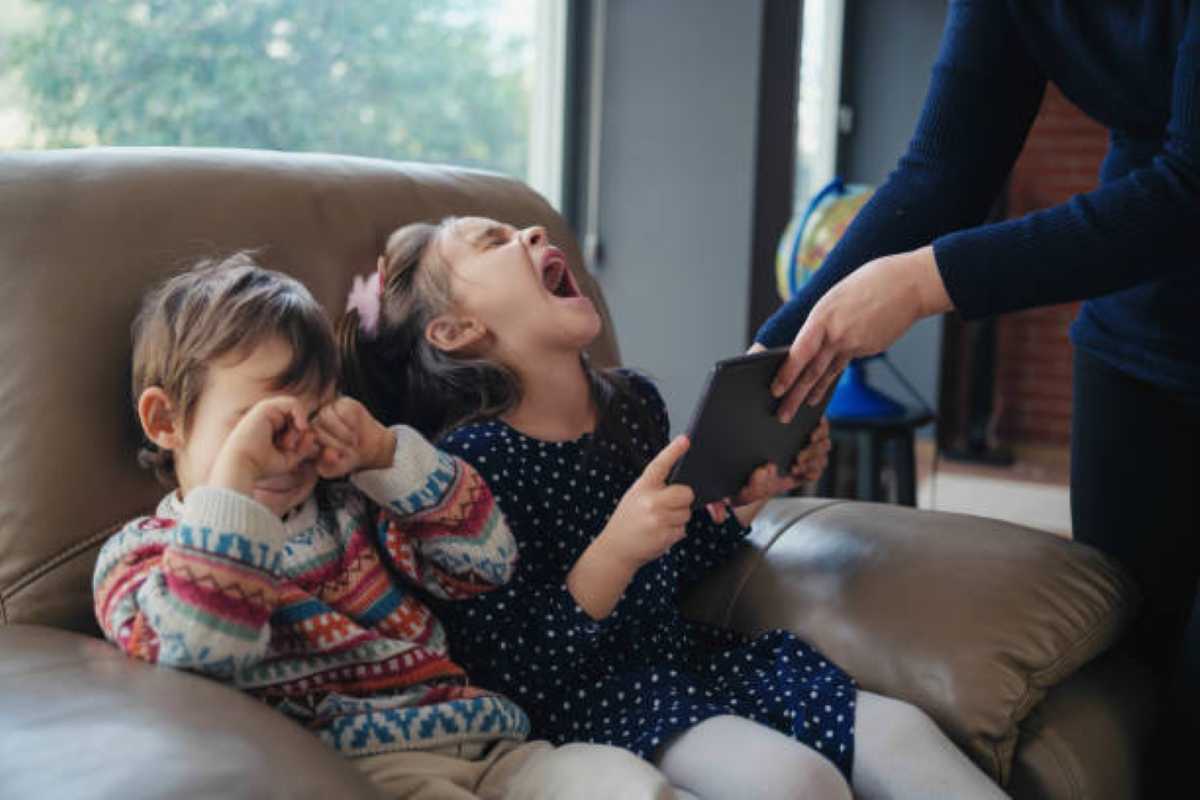

Picture this. Your grandson walks through the front door. You’ve been looking forward to this all week. But instead of running in, he just stands there. He holds his arms close to his body. His eyes dart around the room like he’s trying to figure out where he’s allowed to sit.
You give him a big hug. You tell him how much you missed him. And still, an hour later, he’s asking his mom when they’re going home.
If that sounds familiar, you’re not alone. We love our grandkids like crazy. So it stings when they don’t seem to feel at home in our homes.
Here’s the thing I’ve learned. Kids don’t decide how welcome they feel based on the big stuff, like the fancy dinner or the gift on the bed. They pick it up from the little things we say and do, over and over. And sometimes those little things send the wrong message. We mean “I love having you here.” But what they hear is “Be careful. Don’t mess anything up.”
The good news? Those little things are easy to change once you notice them.
So let’s walk through seven common habits that can make grandkids feel unwelcome. For each one, we’ll look at why it doesn’t go over well and what you can do instead. No guilt, I promise. I’ve done most of these myself.
1. Treating Our Home Like a Museum
Think about how you feel in a museum. You walk slowly. You keep your hands to yourself. You don’t sit on anything. It’s nice to look at, but you wouldn’t want to live there.
That’s how a lot of kids feel at Grandma’s house.
Maybe it’s the glass bowl on the coffee table. The white couch nobody’s allowed to sit on with a snack. The “nice” living room that stays closed off. Or maybe it’s just how often we say “Don’t touch that” or “Careful!”
We have good reasons. Some of those things are special to us. Some were gifts, or once belonged to our own mothers. We don’t want them broken, and that’s fair.
But kids don’t know the story behind the vase. All they know is that they can’t relax. And a child who can’t relax is a child who feels like a guest, not part of the family. They start to see your house as a place where they’re always one wrong move away from getting in trouble.
Here’s what helps:
- Put the breakables away before they come. It takes ten minutes. Tuck the fragile stuff into a closet or up on a high shelf, then set it back out after they leave. You’ll be calmer, and they’ll be able to breathe.
- Make one spot just for them. It doesn’t have to be a whole room. A corner with a rug, some pillows, and a little table works great. This is the spot where spills, crumbs, and building forts are totally fine.
- Give them a basket of their own. Fill it with a few toys, books, crayons, or a deck of cards, whatever fits their age. When they walk in and see “their” basket waiting, it tells them, You belong here. This place is yours too.
Your home can still be pretty. It just needs to be a place where little hands are allowed to touch things.
2. Greeting Them With Criticism
The door opens, and before the hug is even over, it slips out.
“What did you do to your hair?”
“Is that what you’re wearing?”
“Goodness, you’ve gotten big!”
We don’t mean anything by it. Most of the time, we’re just saying the first thing we notice. Some of us grew up with grandparents who talked this way, so it feels normal.
But think about how it lands. Your granddaughter spent the whole car ride getting ready to see you. Maybe she picked out that shirt herself. Maybe she’s been nervous about her new haircut all week. Then the very first thing she hears from you is about how she looks, and it doesn’t sound like a compliment.
The first minute of a visit matters a lot. It sets the mood for everything after it. If a child walks in and feels judged, that feeling tends to stick around all day.
And yes, even “You’ve gotten so big!” can sting. To a kid who’s already worried about their body, “big” doesn’t always sound like a good thing.
Here’s what helps:
- Lead with how happy you are. Make the first words out of your mouth something like “I’m so glad you’re here!” or “I’ve been waiting all day to see you!” That’s what they’ll remember.
- Leave their looks out of it. If you don’t like the hair or the outfit, let it go. It’s not your job to fix it, and it’s probably not forever anyway.
- If you comment, keep it kind. “I love that color on you” or “Your new haircut is so fun” goes a long way. If you can’t think of something nice, just skip it.
- Ask about them instead. “How’s soccer going?” or “What’s the best thing that happened this week?” shows you care about who they are, not just how they look.
Kids want to feel seen. Just not looked over.
3. Making Them Feel Like an Inconvenience
Let’s be honest. Grandkids are a lot of work.
They’re loud. They leave cups everywhere. They track mud across the floor and wake us up early. By the end of a visit, most of us need a long nap and a quiet house.
That’s normal. The trouble starts when the kids can tell.
It might be a big sigh when someone spills juice. Or a comment like “Well, there goes my clean kitchen.” Or telling their mom, while they’re sitting right there, “I’m going to need a week to recover from this.”
We think we’re just being honest, or even a little funny. But kids hear every word, and they take it to heart. What they learn is simple: I’m too much. I make things harder for Grandma. No child wants to go somewhere they feel like a bother.
Here’s what helps:
- Plan for the mess before it happens. Expect spills, noise, and a few broken routines. Put down a washable tablecloth. Have paper towels handy. When you expect the chaos, it’s a lot easier to shrug it off.
- Rest up before they come. Get a good night’s sleep. Make some meals ahead. Don’t plan a big errand day right before the visit. A rested grandma is a patient grandma.
- Save the venting for later. It’s fine to say “Whew, I’m wiped out!” to a friend or your husband once everyone’s gone home. Just keep it out of earshot of little ears.
- Let them help clean up. Turn it into a game or a race. Kids feel good when they get to fix things, and it teaches them that a mess isn’t a disaster.
You’re allowed to be tired. Just let the kids walk away remembering the fun, not the fuss.
Read Also: 7 Tiny But Meaningful Moments That Define How Your Grandchild Remembers You
4. Undermining Their Parents’ Rules
Being a grandma comes with some perks. One of the best is getting to spoil the kids a little. Extra cookies. Staying up late. One more cartoon.
And a little of that is fine. That’s part of what makes Grandma’s house special.
But sometimes it goes further than we mean it to. We let them have the soda their mom said no to. We hand over the tablet for three hours when their parents allow one. Or we say something like “Oh, your mom is too strict. At Grandma’s house, we don’t worry about that.”
It feels harmless in the moment. The kids are happy, and we get to be the fun one.
Here’s the problem. When we go against their parents, we put the kids in the middle. Now they’re stuck between two people they love. Do they listen to Mom or to Grandma? Do they tell Mom what happened or keep it a secret? That’s a hard spot for a child to be in, and it doesn’t feel good.
It also causes trouble with their parents. If your daughter-in-law feels like you don’t respect her rules, she might start keeping visits shorter. Or making them fewer and further between. Nobody wins there, least of all the kids.
Here’s what helps:
- Ask about the rules before the visit. A quick text works: “Anything I should know about bedtime, snacks, or screens this weekend?” Parents notice and appreciate it.
- Agree on your “Grandma treats” ahead of time. Maybe it’s ice cream after dinner or one extra show. If the parents say yes, you get to be the fun grandma without stepping on any toes.
- Back the parents up. If a grandchild says “Mom lets me,” it’s okay to say “Let’s check with her.” It shows the kids that the grown-ups are on the same team.
- Keep your opinions about their parenting private. If you really disagree with a rule, talk to the parents about it, not in front of the kids.
The kids don’t need you to break the rules to love you. They just need you to be you.
Love Being a Grandma?

Join 29,000+ grandmas who wake up to a cheerful, uplifting email made just for you. It’s full of heart, sprinkled with fun, and always free. Start your mornings with a smile—sign up below! ❤️
5. Ignoring Their Interests
Think about the last time your grandkid tried to tell you about their favorite video game. Or a song they love. Or some cartoon you’d never heard of.
Did you listen? Or did you say something like “I don’t understand those games” or “That’s not real music”?
We don’t mean to brush them off. A lot of what kids are into today just doesn’t make sense to us. It moves fast, it’s loud, and half the time we can’t follow it.
The same thing happens with what we plan for visits. We pull out the puzzles, the old board games, or the garden chores, because that’s what we like. Then we wonder why the kids look bored.
When a child shares something they love and it gets waved away, they learn not to share. And when there’s nothing at Grandma’s house that fits who they are, they start to feel like they don’t fit there either.
Here’s what helps:
- Ask them to teach you. “Can you show me how that game works?” is one of the best things you can say to a grandkid. You don’t have to be good at it. Being bad at it is half the fun. They’ll love being the expert for once.
- Listen to their music with them. You don’t have to like it. Just ask what they like about it. You might be surprised.
- Keep a few of their favorites around. Their go-to cereal, a coloring book from their favorite show, a ball for the backyard. Little things like that tell them you were thinking about them before they even walked in.
- Mix in your stuff, too. It’s still good to share what you love, like baking or card games. Just make sure it’s a two-way street.
Kids light up when someone cares about the things they care about. Be that someone.
6. Comparing Them to Siblings or Cousins
“Your cousin always cleans her plate.”
“Your brother was reading by your age.”
“Why can’t you sit still like your sister?”
Most of us have said something like this at least once. Usually we’re just trying to nudge a kid in the right direction. We figure a good example might help.
But it almost never works the way we hope. Instead of thinking “I should try harder,” the child thinks, “Grandma likes my cousin better.”
Kids are already comparing themselves to each other all the time. Who’s taller, who’s smarter, who’s better at sports. They don’t need us adding to it. When we line them up side by side, it starts to feel like a contest. And in a contest, somebody always loses.
Over time, this can do real damage. It can make brothers and sisters resent each other. It can make cousins feel like rivals instead of friends. And it can leave a child feeling like they have to earn your love by being as good as someone else.
Here’s what helps:
- Notice what makes each child special. One might be funny. One might be a great helper. One might ask the best questions. Point out those things, and don’t hold them up against anyone else.
- Praise them on their own. Say “You did a great job on that drawing,” not “You draw better than your brother.” The first one feels good. The second one starts a fight.
- Spend one-on-one time with each grandkid. Take just one of them to lunch, the park, or the store. Even an hour alone with Grandma makes a child feel like they matter all by themselves.
- Catch yourself. If a comparison slips out, it’s okay to say “Oops, that wasn’t fair. You’re great just the way you are.”
Every grandchild wants to know they have their own place in your heart, not a spot in line.
Read Also: 15 Unexpected Things to Mail Your Grandkids That’ll Make Them Smile From Ear to Ear
7. Guilt-Tripping About How Often They Visit
“Well, look who finally remembered Grandma.”
“I guess you’re too busy for me these days.”
“It’s been so long, I almost forgot what you look like.”
Sound familiar? These lines usually come from a real place. We miss them. Life gets busy, the kids get older, and the visits get further apart. It hurts, and sometimes that hurt leaks out.
But here’s the tough truth. Guilt doesn’t bring people closer. It pushes them away.
When a grandchild walks in and the first thing they hear is how long it’s been, they feel bad right away. When goodbyes come with sad faces and “When will I ever see you again?”, they leave feeling heavy instead of happy. After a while, a visit to Grandma’s starts to feel like a chore, something they have to do, not something they want to do.
And kids, especially older ones, don’t run toward places that make them feel guilty.
Here’s what helps:
- Greet them with joy, not a scorecard. Skip “It’s about time!” Try “I’m so happy to see you!” Same feeling, much better message.
- Make goodbyes warm and light. Something like “I loved this. Come back anytime!” sends them off smiling and makes them want to come back.
- Stay in touch between visits. Send a funny text. Mail a card with a sticker in it. Set up a short video call. Small, easy check-ins keep you close without any pressure.
- Remember what’s going on in their lives. Kids get busy with school, sports, and friends. That’s a good thing. Ask about it, cheer them on, and let them know you’re proud of them.
The goal isn’t to make them feel like they owe you a visit. It’s to make your house the place they can’t wait to get back to.
Bonus: Small Touches That Say “You Belong Here”
Fixing the habits above is a big step. But there are also a few simple things you can add to your home that make grandkids feel right at home. None of them cost much. All of them mean a lot.
Give them a drawer or shelf of their own. Clear out one spot and tell them it’s theirs. They can keep a toothbrush there, a pair of pajamas, a favorite toy, or whatever treasures they bring. Having their own space, even a small one, tells a child, You’re not just visiting. You live here a little bit too.
Put their stuff on display. Hang their artwork on the fridge. Frame a school photo. Keep that lopsided clay bowl they made you right out where everyone can see it. When kids walk in and spot their own things, they feel proud. They know you think about them even when they’re not around.
Start a tradition. It can be something simple, like pancakes every Saturday morning, a special mug that only they drink cocoa from, or a walk to the same ice cream shop every visit. Traditions give kids something to look forward to. Years from now, these are the things they’ll tell their own kids about.
Let them help. Kids love to feel useful. Let them stir the batter, water the tomatoes, set the table, or pick what’s for dinner one night. Sure, it’ll be messier and slower. But helping makes them feel like part of the team, not like company you have to wait on.
Conclusion
If you saw yourself in a few of these, take a deep breath. I did too.
None of this makes us bad grandmothers. Most of these habits come from good places. We want to protect the things we love. We worry. We miss the kids. And a lot of us are just doing what our own parents and grandparents did, because that’s all we knew.
Here’s the best part. Kids notice changes fast. You don’t have to fix everything at once. Put away the glass bowl. Greet them with a smile instead of a comment about their hair. Ask about their video game. They’ll pick up on it sooner than you think. And kids are forgiving. They don’t hold onto the old stuff nearly as long as we do.
Now picture that scene from the start one more time. The door opens. But this time, your grandson doesn’t freeze in the doorway. He kicks off his shoes, yells “Hi, Grandma!”, and heads straight for his basket in the corner. He’s not a guest anymore. He’s home.
That’s what we’re after.
So here’s my challenge to you. Pick just one thing from this list to work on before the next visit. Just one. See what happens.
And I’d love to hear from you. What little traditions or touches make your grandkids feel at home? Share them in the comments. We can all use a few more good ideas.
Love Being a Grandma?
Join 29,000+ grandmas who wake up to a cheerful, uplifting email made just for you. It’s full of heart, sprinkled with fun, and always free. Start your mornings with a smile—sign up below! ❤️