
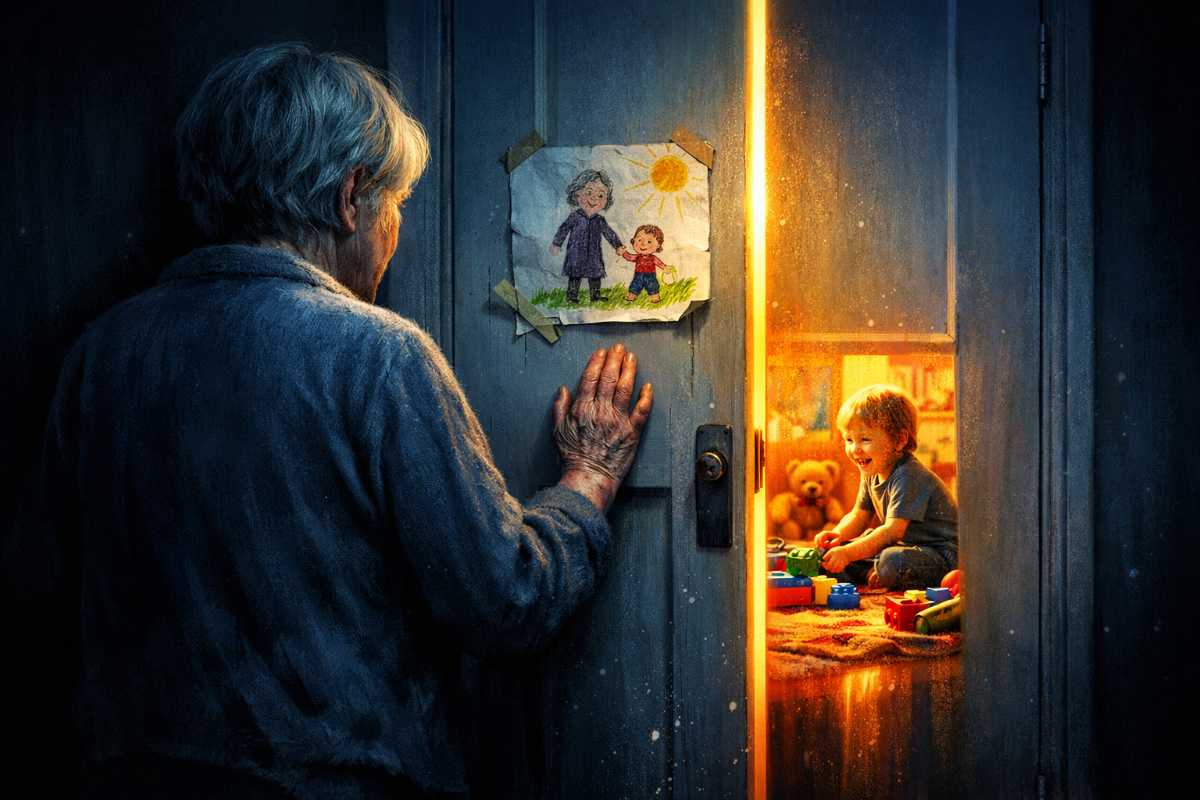

Most grandparents don’t wake up one day and decide to become uninvolved. It usually happens little by little — so quietly that you barely notice it at first.
A visit gets postponed because everyone is busy. A phone call gets pushed to tomorrow. A birthday comes and goes with just a quick message instead of a long conversation. None of it feels like a big deal in the moment.
Life has a way of moving quickly, especially once children grow up and start families of their own. Suddenly there are school schedules, sports practices, work hours, and busy weekends. It becomes easy to assume that stepping back is simply part of growing older as a grandparent.
But sometimes what feels like giving them space slowly turns into real distance.
The encouraging part is this: noticing the signs means you still care deeply — and caring is the most important ingredient for connection. Even small efforts can rebuild closeness. A relationship with a grandchild doesn’t disappear overnight, and it can grow stronger again one step at a time.
1. You Wait for Them to Reach Out First
Many grandparents fall into this habit without realizing it. You may tell yourself you’re being respectful. You don’t want to intrude or seem needy. Your adult children have busy lives, and you don’t want to add pressure. So you wait for the invitation instead of making the call.
At first, it feels polite. Thoughtful, even.
But as weeks go by, you might notice that no one has reached out — and you still hesitate to make the first move. It becomes easier to assume they’ll contact you when they have time. Meanwhile, your grandchild may simply assume Grandma is busy or uninterested.
Children and even teenagers often need grandparents to take the lead. A simple message saying, “I was thinking about you today,” or “Want to come over this weekend?” can mean more than you realize. Sometimes involvement isn’t about being invited — it’s about gently staying present in their lives.
2. You Know Less About Their Daily Life Than You Used To
There was a time when you knew all the little details. You knew their favorite cartoon or the name of their best friend. You knew which snack they always asked for and what made them laugh the hardest. Those small things made conversations easy and natural.
But as time passes, it can start to feel different. You might find yourself asking general questions like, “How’s school going?” or “What have you been up to?”
The answers are often short and polite, but they don’t tell you much. Instead of feeling connected, the conversation can feel like catching up with someone you barely know.
Sometimes you realize that most of what you learn about your grandchild comes through your adult child — secondhand updates instead of shared experiences. Staying involved often means staying curious. Asking about their interests, remembering the little things they mention, and following up later shows them that you’re truly paying attention — and that kind of attention builds lasting bonds.
Read Also: 12 Key Signs Your Grandchild’s Parents Might Be Narcissistic, According to Psychologists
3. Visits Feel Less Frequent — And You’ve Stopped Trying to Change That
At first, you probably noticed when visits started becoming less frequent. Maybe a regular Sunday dinner turned into once a month. Maybe sleepovers slowly disappeared. You may have even mentioned it a few times — “We don’t see you nearly enough.”
But over time, something shifted. The longer gaps between visits started to feel normal.
It becomes easy to explain it away. Families are busy. Kids have activities. Your adult children have responsibilities. You may tell yourself that this is simply the natural rhythm of life.
So instead of suggesting a visit or making a plan, you quietly accept the distance and hope the next get-together happens soon.
The trouble is, relationships rarely grow by accident. When no one takes initiative, weeks can turn into months before anyone realizes how much time has passed. Sometimes being an involved grandparent simply means saying, “How about I come by Saturday?” or “I’d love to take them out for ice cream.” A gentle effort can keep the connection alive in ways that waiting never will.
4. You Spend More Time Remembering the Past Than Building the Present
It’s natural to treasure memories with your grandchildren. You might find yourself smiling when you think about their toddler years — the way they ran into your arms, the toys scattered across your living room floor, or the afternoons spent baking cookies together. Those moments stay in your heart forever.
But sometimes, without realizing it, memories begin to replace new experiences. You might talk more about how things used to be than what’s happening in their lives right now.
Instead of asking about their current interests or activities, conversations drift back to stories from when they were little.
Grandchildren grow and change quickly, and staying close often means growing alongside them. The child who once loved picture books may now love sports, music, or video games.
When you take interest in who they are today — not just who they used to be — you show them that your love is still active and present, not just tied to the past.
Love Being a Grandma?

Join 29,000+ grandmas who wake up to a cheerful, uplifting email made just for you. It’s full of heart, sprinkled with fun, and always free. Start your mornings with a smile—sign up below! ❤️
5. You Assume They’re Too Busy to Care
Many grandparents quietly convince themselves that their grandchildren have simply outgrown them. You might think teenagers would rather spend time with friends or that older grandchildren are too busy with school and activities to want visits with Grandma. It can feel safer to step back than to risk feeling unwanted.
Sometimes this belief grows without any real evidence. No one has said you’re not welcome. No one has asked you to stay away. But it can still feel like the natural thing to do — to give them space and not push yourself into their busy lives.
What many grandparents discover, though, is that grandchildren often interpret silence differently. Instead of seeing it as respect for their space, they may quietly wonder why Grandma doesn’t call or visit anymore.
Even older grandchildren usually appreciate knowing that someone is thinking about them. A short message, a quick phone call, or an occasional invitation can remind them that they still matter deeply in your life — and that connection often means more than you realize.
6. You Rarely Initiate One-on-One Moments
Family gatherings are wonderful, but they often move quickly. There’s food to prepare, conversations happening all at once, and people coming and going. You may see your grandchild at holidays or birthdays and still leave feeling like you barely had a real moment together. It’s easy to assume those occasions are enough, but group time and personal time are very different things.
One-on-one moments are where relationships really grow. When it’s just the two of you, conversations feel more relaxed and natural. A grandchild who barely speaks at a crowded dinner table might open up during a short car ride or while sharing a simple activity.
Sometimes the best memories come from ordinary moments — baking cookies together, going for a walk, or sitting side by side talking about nothing in particular.
These moments don’t have to be big or complicated. A quick ice cream outing, a short phone call, or an afternoon visit can leave a lasting impression.
When you make time that belongs just to the two of you, your grandchild feels seen and valued — and that feeling often stays with them long after the moment is over.
Read Also: There Are the 8 Signs You’re a Helicopter Grandparent That No One Will Tell You
7. You’ve Started Believing It’s Too Late to Change
This may be the quietest and most powerful sign of all — the feeling that the moment has already passed. You might catch yourself thinking that your grandchild is older now and doesn’t need you the way they once did. Maybe you wish you had spent more time together when they were younger, and now it feels like you missed your chance.
It’s a heavy thought, and many grandparents carry it silently. You may wonder if reaching out now would feel awkward or out of place. Sometimes it feels easier to leave things as they are rather than risk feeling rejected or uncomfortable.
But relationships are more flexible than we often imagine. Grandchildren rarely close the door as firmly as grandparents fear. A simple effort — a call, a card, an invitation — can mean more than you expect. Often the hardest step is the first one, and once you take it, the distance may not feel nearly as wide as it once did.
Closing: The Small Steps That Bring You Back
Being an involved grandparent doesn’t mean you have to do everything perfectly. It doesn’t require constant visits or elaborate plans. Most grandchildren aren’t looking for perfection — they’re looking for presence. They want to know that you care enough to stay connected, even in small ways.
Sometimes the strongest relationships are built through simple, steady gestures. A quick message to say you’re thinking of them. A short phone call just to hear their voice. A visit that doesn’t have to be tied to a holiday or special occasion. Small actions repeated over time create a sense of closeness that grand gestures alone can’t provide.
If any of these signs felt familiar, that doesn’t mean you’ve failed as a grandparent. It simply means you still care enough to notice.
And often, the difference between drifting apart and growing closer again comes down to one small step — a step you can take today.
Read Also: Uninvolved Grandparents Often Say These 9 Things, According to Psychologists — Do You?
Love Being a Grandma?
Join 29,000+ grandmas who wake up to a cheerful, uplifting email made just for you. It’s full of heart, sprinkled with fun, and always free. Start your mornings with a smile—sign up below! ❤️