
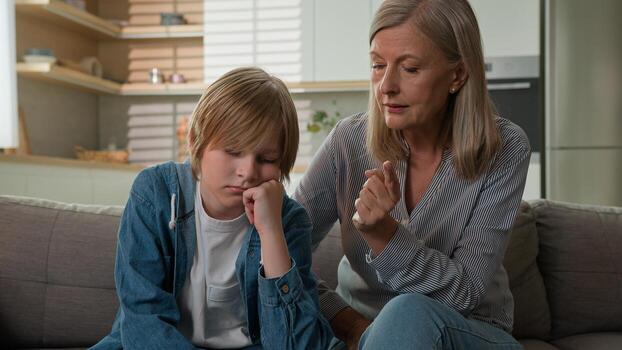

Becoming a grandmother is one of life’s sweetest transitions—but it’s also a quiet shift that not many people talk about. For years, you were the decision-maker. You set the rules, made the calls, and trusted your instincts. Now, the role has changed. You’re still deeply important, but the way you show up looks a little different. And that can feel… unfamiliar at first.
What worked beautifully when you were raising your own children doesn’t always land the same way now. The habits, the advice, even the way you step in—it can sometimes come across differently than you intend. Not because you’re doing anything wrong, but because the dynamic has changed. You’re no longer the parent in charge—you’re the trusted support beside them.
This isn’t about pulling back or loving less. It’s about loving smarter. It’s about knowing when to lean in, when to step back, and how to build a relationship that feels safe, respectful, and incredibly close—for everyone involved.
1. Overriding the Parent’s Rules
When you were a mom, you made the rules. That was your job. You knew what was best (or at least you did your best), and you didn’t have to ask anyone for permission. So when your grandchild is in front of you and asks for one more cookie or a later bedtime, it feels natural to say yes. It comes from love. It always has.
But now, there’s another layer. Your child is the parent, and when their rules are quietly undone, it can feel frustrating or even undermining to them. Even small things can build tension over time. Not because they don’t appreciate you—but because they’re trying to create consistency for their own child.
The good news? You don’t have to be the “strict one” to be respected. In fact, honoring their rules shows something powerful—it says, “I trust you. You’ve got this.” And that kind of support doesn’t just strengthen your relationship with your child… it makes your bond with your grandchild even more secure.
2. Giving Unsolicited Parenting Advice
It’s such a natural instinct, isn’t it? You’ve been through it all—the sleepless nights, the picky eating, the teenage years—and you’ve learned so much along the way. So when you see your child struggling or doing something differently, that urge to jump in and help can feel almost automatic. It comes from love. You just want to make things easier for them.
But here’s the tricky part: what feels like “help” to you can sometimes feel like “criticism” to them. Even a small comment like “You know, I used to do it this way…” can land as doubt instead of support. Your child may hear, “You’re doing it wrong,” even when that’s not what you meant at all. And over time, that can create distance.
A softer approach goes a long way. Instead of offering advice right away, try asking, “Do you want my thoughts, or do you just need me to listen?” That simple shift shows respect. And when they do ask for your advice, it becomes something they value—not something they feel pushed into.
3. Disciplining Your Grandchild Directly
When you were raising your own kids, discipline was part of daily life. You corrected behavior, set boundaries, and made tough calls—because that was your role. So when your grandchild acts out, it can feel completely natural to step in and handle it the way you always have. Old habits don’t just disappear overnight.
But now, things are a little different. Your child is the parent, and discipline is ultimately their responsibility. Stepping in too quickly or too firmly can sometimes create confusion for your grandchild—or tension with your child. Even if your intentions are good, it can feel like you’re taking over a role that isn’t yours anymore.
That doesn’t mean you have to stay silent or ignore behavior. You can still guide gently. A calm redirection, a quiet reminder, or even saying, “Let’s check what your mom or dad would want you to do,” keeps you supportive without overstepping. It shows you’re part of the team—not competing for control.
Love Being a Grandma?

Join 29,000+ grandmas who wake up to a cheerful, uplifting email made just for you. It’s full of heart, sprinkled with fun, and always free. Start your mornings with a smile—sign up below! ❤️
4. Trying to Be the “Better Parent”
It can happen without even realizing it. You say yes a little more often, you bend the rules a bit, you become the “fun” one—and suddenly, your grandchild starts saying things like, “Grandma lets me do this.” It feels sweet in the moment. Who wouldn’t want to be the favorite? But kids are incredibly perceptive, and they pick up on those subtle comparisons quickly.
Over time, that dynamic can quietly create tension. Your child may start to feel like they’re being measured against you, even if that was never your intention. And your grandchild? They might begin to see you as the “better” option, which can weaken the trust and authority their parents are trying to build. It turns into an unspoken competition no one actually wants.
The truth is, your role is already special—you don’t need to compete for it. You can be the safe place, the soft landing, the one who listens and loves without pressure. When you support the parents instead of outshining them, you create something even more powerful: a family that feels united, not divided.
Read Also: Reflecting on My Role as a Grandmother: Are These Toxic Traits Hurting My Family?
5. Expecting the Same Level of Authority
For so many years, you were the one in charge. You made the decisions, set the tone, and guided your household. So it’s completely natural if a part of you still feels that sense of authority, especially when you’re around your grandchild. That instinct doesn’t just switch off—it’s been part of you for decades.
But now, the dynamic has shifted. Your child is the one leading their home, and your role has moved from decision-maker to supporter. Holding onto that same level of authority—even in small ways—can create friction. It might feel like you’re helping, but to your child, it can come across as stepping into their space.
There’s something really freeing about embracing this new role. You don’t have to carry the full weight anymore. You get to love, guide, and be present without being in control of everything. And when you step into that space with grace, it actually strengthens your influence—not weakens it.
6. Oversharing Family Opinions or Conflicts
When your kids were little, family conversations looked very different. You were the center of it all, and sometimes that meant talking things through out loud—stress, disagreements, even frustrations. It was your household, and you managed it the best way you knew how. But now, there’s a new layer to consider: your grandchild’s emotional world.
Sharing opinions about their parents—or hinting at family tension—can be confusing for them. They love their parents deeply, and hearing anything negative (even subtly) can make them feel torn or unsettled. What feels like harmless venting to you can feel heavy to a child who doesn’t have the context to understand it.
One of the greatest gifts you can give your grandchild is emotional safety. Keeping conversations positive and age-appropriate helps them feel secure and free to love everyone fully. You don’t have to pretend everything is perfect—just be mindful of what belongs in adult conversations, not little ears.
7. Dropping By Unannounced
There was a time when your home was the hub—people came and went, and you were always in the middle of it. So it can feel completely natural to stop by your child’s house without much notice. After all, it’s family. And in your heart, it probably still feels like an extension of your home.
But now, it’s their space. Their routines, their schedule, their little world they’re building. Dropping in unexpectedly—even with the best intentions—can sometimes feel disruptive. They may be juggling work, parenting, or just trying to get through a long day, and surprise visits can add stress instead of joy.
A simple text or quick call can make all the difference. It shows respect for their time and their boundaries. And interestingly, that small gesture often leads to more invitations, not fewer. When people feel respected, they naturally open the door wider—and your visits become something everyone truly looks forward to.
8. Making Big Decisions Without Asking
When you were a mom, making decisions was part of your everyday life. From haircuts to new clothes to what they could eat or do—you handled it all. So when your grandchild is with you and something comes up, it can feel completely natural to just decide in the moment. You’re used to stepping in and taking care of things.
But now, even well-meaning decisions can feel like overstepping. A surprise haircut, a big gift, or even letting them try something new without checking first can catch your child off guard. What feels like “I was just helping” to you can feel like “I wasn’t included” to them. And that’s where misunderstandings can quietly grow.
The simple fix? Loop them in. A quick message like, “Hey, is this okay?” goes a long way. It shows respect and keeps everyone aligned. And the best part is, it builds trust. When your child knows you’ll include them, they’ll feel more comfortable—and that makes your time with your grandchild even more relaxed and joyful.
Conclusion
If any of these felt familiar, don’t worry—you’re not alone. This transition from mom to grandmother isn’t about losing your place. It’s about evolving into something just as meaningful, just as powerful… just in a different way. And honestly, it can be even more beautiful.
You’re no longer carrying the full weight of parenting. You get to enjoy the moments more, laugh a little longer, and love without the same level of pressure. There’s something really special about being the calm presence, the safe place, the one who’s simply there—without needing to control everything.
At the end of the day, the strongest families aren’t built on control—they’re built on respect, trust, and understanding. When you lead with that, everything else falls into place. And your bond with your grandchild? It becomes something truly unshakable.
Read Also: 7 Ways on How to Empower Your Grandson to Grow Into a Good, Kind-Hearted Man
Love Being a Grandma?
Join 29,000+ grandmas who wake up to a cheerful, uplifting email made just for you. It’s full of heart, sprinkled with fun, and always free. Start your mornings with a smile—sign up below! ❤️