
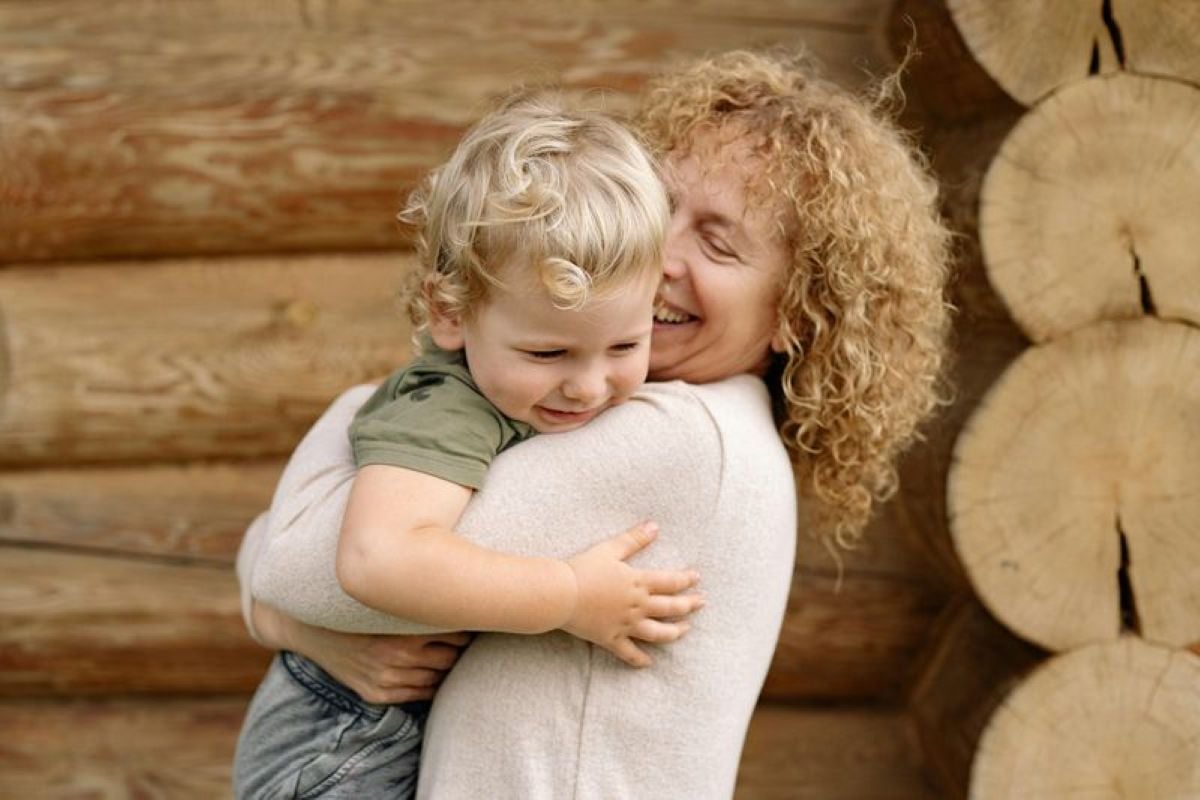

You might think it’s the big moments your grandkids will remember someday—the holidays, the gifts, the trips.
But here’s the surprising truth: it’s often the small, quiet things you say that stay with them for life. In fact, psychologists have found that certain simple phrases can shape how children see themselves, how safe they feel, and even how close they stay to you as they grow up.
And most grandparents have no idea they’re either missing these moments… or getting them exactly right. The good news? Once you know what to say, it changes everything.
These aren’t the usual “I love you” lines—you’ve heard those before. These go deeper… and your grandkids feel the difference instantly.
1. “I love seeing how your mind works.”
(Based on growth mindset research by Carol Dweck)
You know those moments when your grandchild is explaining something in their own quirky, roundabout way—and it doesn’t quite land perfectly? It’s so tempting to jump in and correct them. But when you pause and say, “I love seeing how your mind works,” something really special happens. You’re telling them that their thinking matters more than getting the “right” answer.
This idea comes straight from Carol Dweck’s growth mindset research, which shows that kids thrive when we focus on effort, curiosity, and process—not just outcomes. When grandkids feel like their ideas are interesting (even if they’re messy or incomplete), they become more confident thinkers. They’re more willing to try, explore, and even fail… because they know they won’t be judged for it.
And here’s the beautiful part: years from now, they won’t remember whether they got the answer right. They’ll remember how it felt to talk to you—how you leaned in, listened, and made them feel like their thoughts were worth sharing.
2. “You don’t have to be happy all the time with me.”
(Rooted in emotional validation research from the Gottman Institute)

There’s this quiet pressure kids feel—whether we realize it or not—to be “good,” cheerful, and easy to be around. So when a grandparent gently says, “You don’t have to be happy all the time with me,” it can feel like a deep exhale. Like, finally… I can just be myself.
The Gottman Institute’s research on emotional validation shows that when kids are allowed to express all their feelings—not just the pleasant ones—they actually become more emotionally healthy. They learn that emotions aren’t something to hide or fix quickly. They’re something to understand.
When you say this, you’re sending a powerful message: “All of you is welcome here.” The happy, the grumpy, the quiet, the overwhelmed—it all belongs. And that kind of emotional safety? That’s what builds real trust.
Because when life gets hard—and it will—your grandchild will remember that you’re the person they don’t have to pretend with. And that’s the kind of bond that lasts a lifetime.
3. “I trust you to figure this out.”
(Connected to self-efficacy research by Albert Bandura)
It’s almost automatic, isn’t it? When a grandchild is struggling—whether it’s homework, a friendship issue, or even something small—you want to step in and fix it. That instinct comes from love. But sometimes, the most powerful thing you can say is simply, “I trust you to figure this out.”
This idea is rooted in Albert Bandura’s work on self-efficacy, which basically shows that kids build confidence by doing things themselves—not by being rescued every time. When you say this, you’re not abandoning them… you’re standing beside them, quietly saying, “I believe in you.”
And the tone matters. It’s not pressure. It’s not, “You better figure this out.” It’s gentle. Supportive. Like you’re handing them the steering wheel but still sitting right there in the passenger seat.
Over time, this kind of trust sticks. They start to hear your voice in their own head: “I can handle this.” And that’s a gift they’ll carry long after childhood.
Love Being a Grandma?

Join 33,762+ grandmas who wake up to a cheerful, uplifting email made just for you. It’s full of heart, sprinkled with fun, and always free. Start your mornings with a smile—sign up below! ❤️
4. “You make our family better just by being you.”
(Based on belongingness theory by Roy Baumeister and Mark Leary)
There’s something every child quietly wonders: Do I really matter here? Not because of what I do… but just because I’m me. And when a grandparent says, “You make our family better just by being you,” it answers that question in the most beautiful way.
Baumeister and Leary’s belongingness theory tells us that feeling accepted and valued is a basic human need. Kids aren’t just looking for praise—they’re looking for reassurance that they belong, no matter what.
What makes this phrase so powerful is that it separates who they are from what they do. It’s not about grades, behavior, or achievements. It’s deeper than that. It says, “Even on your worst day, you still have a place here.”
And honestly, that kind of unconditional acceptance becomes their foundation. It shapes how they see themselves… and how they believe they deserve to be treated in the world.
5. “I still think about what you said the other day.”
(Tied to active listening and validation research, including work by Carl Rogers)
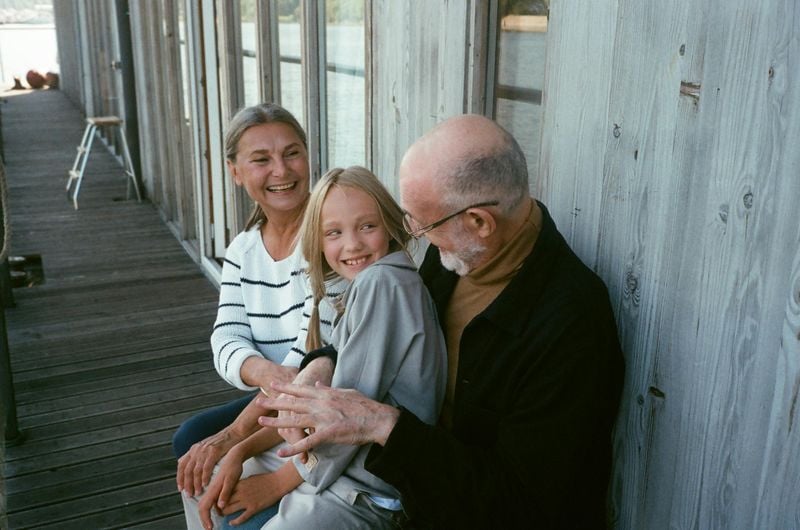
You know how kids sometimes say the most random, surprising, or even insightful things—and we nod, smile, and move on? Imagine how it feels when you bring it back later and say, “I still think about what you said the other day.”
That one sentence tells them something most people don’t: “Your words stayed with me.” And that’s huge.
This connects to active listening and validation research, like the work of Carl Rogers, which emphasizes how deeply people need to feel heard and understood. When kids realize their thoughts have impact—not just in the moment, but afterward—they start to see their voice as something valuable.
It doesn’t have to be a big, profound conversation either. It could be something simple they said about school, a friend, or even a silly idea. The point is, you remembered.
And when a child feels truly heard, they open up more. They trust more. They share more. Because now they know—they’re not just talking… they’re being listened to.
6. “You can tell me anything—even the parts you’re unsure about.”
(Linked to secure attachment research by John Bowlby and Mary Ainsworth)
There’s a big difference between a child who can talk to you… and one who feels safe enough to. When you say, “You can tell me anything—even the parts you’re unsure about,” you’re opening a door most kids are quietly afraid to walk through.
Bowlby and Ainsworth’s work on secure attachment shows that kids thrive when they feel emotionally safe with a trusted adult—someone who won’t judge, overreact, or shut them down. And let’s be honest, especially during the teen years, there’s a lot they’re unsure about. Feelings, friendships, identity… it can get messy.
This phrase tells them, “You don’t have to have it all figured out to come to me.” No pressure to be perfect. No fear of saying the wrong thing.
And that’s what keeps the lines of communication open. Because when a child knows they won’t be judged, they’re far more likely to share the things that actually matter.
Read Also: Grandmas Who Leave the Deepest Mark on Their Grandkids Always Do These 7 Things
7. “I learn new things from you all the time.”
(Reflects reciprocal learning models in developmental psychology)
It’s easy to fall into the role of “teacher” as a grandparent—you’ve lived more life, after all. But when you flip that dynamic and say, “I learn new things from you all the time,” something really special happens. You’re not just guiding them… you’re honoring them.
Developmental psychology talks about reciprocal learning—the idea that growth goes both ways in relationships. Kids aren’t just passive learners. They observe, think, question, and often see the world in ways we’ve forgotten how to.
When you acknowledge that, you’re telling them, “Your perspective matters to me.” Not in a polite, surface-level way—but genuinely.
And kids feel that. They stand a little taller. They speak a little more confidently. Because now they’re not just being taught… they’re being respected.
And honestly? You probably are learning from them—about new ideas, new ways of seeing things, or just how to find joy in simple moments again.
Love Being a Grandma?
Join 33,762+ grandmas who wake up to a cheerful, uplifting email made just for you. It’s full of heart, sprinkled with fun, and always free. Start your mornings with a smile—sign up below! ❤️
8. “It’s okay to change your mind.”
(Based on cognitive flexibility research in developmental psychology)
We don’t always realize it, but kids can feel a surprising amount of pressure to “stick with” what they’ve said or decided—even when it no longer feels right. That’s why hearing “It’s okay to change your mind” can be incredibly freeing.
Cognitive flexibility research shows that being able to adapt, rethink, and shift perspectives is a key part of healthy development. It’s how kids learn, grow, and figure out who they are—especially during adolescence, when everything is evolving.
When you say this, you’re giving them permission to explore without fear of being wrong. You’re saying, “You’re allowed to grow. You’re allowed to rethink things. That’s part of becoming you.”
And that matters more than we think. Because instead of feeling stuck or judged, they feel safe to try, reflect, and adjust.
In the long run, that builds a kind of quiet confidence—the kind that says, “I don’t have to have it all figured out today.”
9. “I’m really proud of the way you handled that.”
(Drawn from process-based praise research, including work by Carol Dweck)
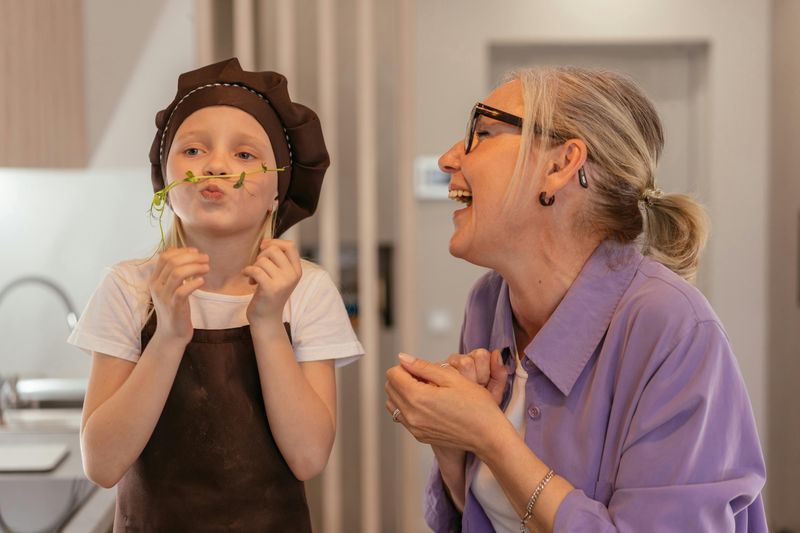
You know those moments when your grandchild is trying to navigate something tricky—a disagreement with a friend, a tough assignment, or even just managing their emotions—and they don’t do it perfectly, but they try? That’s where this phrase shines: “I’m really proud of the way you handled that.”
What makes it powerful is that you’re not praising who they are (“You’re so smart” or “You’re such a good kid”). You’re noticing what they did. Research on process-based praise shows that when kids are recognized for effort, decision-making, and resilience, they build something much deeper than confidence—they build motivation from within.
It shifts the focus away from “Did I impress them?” to “I handled that well.” And that’s huge.
Because over time, they stop chasing approval and start trusting their own ability to navigate life. And honestly, that quiet self-belief? That’s one of the greatest gifts you can give them.
10. “You don’t have to impress me—I already enjoy who you are.”
(Connected to unconditional positive regard by Carl Rogers)
If you really think about it, kids pick up on more than we say. They notice when praise only comes after achievements, good behavior, or “being impressive.” And even in loving families, that can quietly turn into pressure.
That’s why this sentence feels so different: “You don’t have to impress me—I already enjoy who you are.” It takes the weight off their shoulders in an instant.
Carl Rogers’ concept of unconditional positive regard is all about this—feeling accepted and valued without needing to earn it. When kids experience that, their sense of self becomes more stable. They’re not constantly wondering if they’re “good enough.”
Instead, they relax into who they are. They take more risks. They open up more. Because they know your love and enjoyment of them isn’t tied to performance.
And the beautiful part? When a child feels accepted like that, they often do thrive—not because they have to, but because they feel safe enough to.
11. “Take your time—I’m not in a rush with you.”
(Linked to co-regulation and nervous system research, including work by Stephen Porges)
It’s easy to forget how rushed the world can feel to a child. Adults are moving fast, conversations get interrupted, and sometimes kids feel like they have to hurry just to keep up. That’s why a simple sentence like, “Take your time—I’m not in a rush with you,” can feel incredibly grounding.
Research on co-regulation and the nervous system, like Stephen Porges’ work, shows that kids borrow calm from the adults around them. When you slow down, your presence tells their body, “You’re safe here. There’s no pressure.”
And you can see it happen in real time. Their shoulders relax. Their voice softens. They start to open up more naturally instead of rushing to say the “right” thing.
It’s not just about patience—it’s about presence. You’re showing them they’re worth your time, exactly as they are, in that moment. And that feeling of being unhurried and truly seen? That’s something they’ll carry with them long after the conversation ends.
12. “Even when we don’t agree, I still want to understand you.”
(Based on authoritative communication styles in developmental psychology, including research by Diana Baumrind)
Disagreements are part of every relationship—even with grandkids. Different opinions, different perspectives… it’s all normal. But how you handle those moments? That’s what really shapes the relationship.
When you say, “Even when we don’t agree, I still want to understand you,” you’re doing something powerful. You’re showing them that connection doesn’t disappear just because you see things differently.
Developmental psychologist Diana Baumrind’s research on authoritative communication highlights this balance—being both warm and respectful of a child’s independence. It’s not about shutting them down or always giving in. It’s about staying curious.
And that curiosity teaches them something deeper: “My voice matters, even when it’s different.”
Over time, this builds emotional safety and critical thinking. They learn how to express themselves, listen to others, and navigate disagreements without fear.
Because at the end of the day, it’s not about always agreeing—it’s about feeling understood.
Read Also: 5 Simple Moments Grandchildren Deeply Remember More Than Grandparents Realize
Final Thoughts
If there’s one thing to take away from all of this, it’s this: you don’t have to say everything perfectly. You don’t need the right script or the perfect timing every single time. What matters most is the feeling behind your words—and the consistency of showing up with care.
These phrases work not because they sound nice, but because they meet something deeper inside a child. That need to feel safe… to feel truly seen… and to feel capable in their own world. When those needs are met, everything else—confidence, connection, trust—starts to grow naturally.
And the beautiful part? These moments are often small. Quiet. Easy to miss if you’re not paying attention.
But they matter more than you think.
Because sometimes, one simple sentence—said at just the right moment—can stay with a child for the rest of their life.
Love Being a Grandma?
Join 33,762+ grandmas who wake up to a cheerful, uplifting email made just for you. It’s full of heart, sprinkled with fun, and always free. Start your mornings with a smile—sign up below! ❤️