
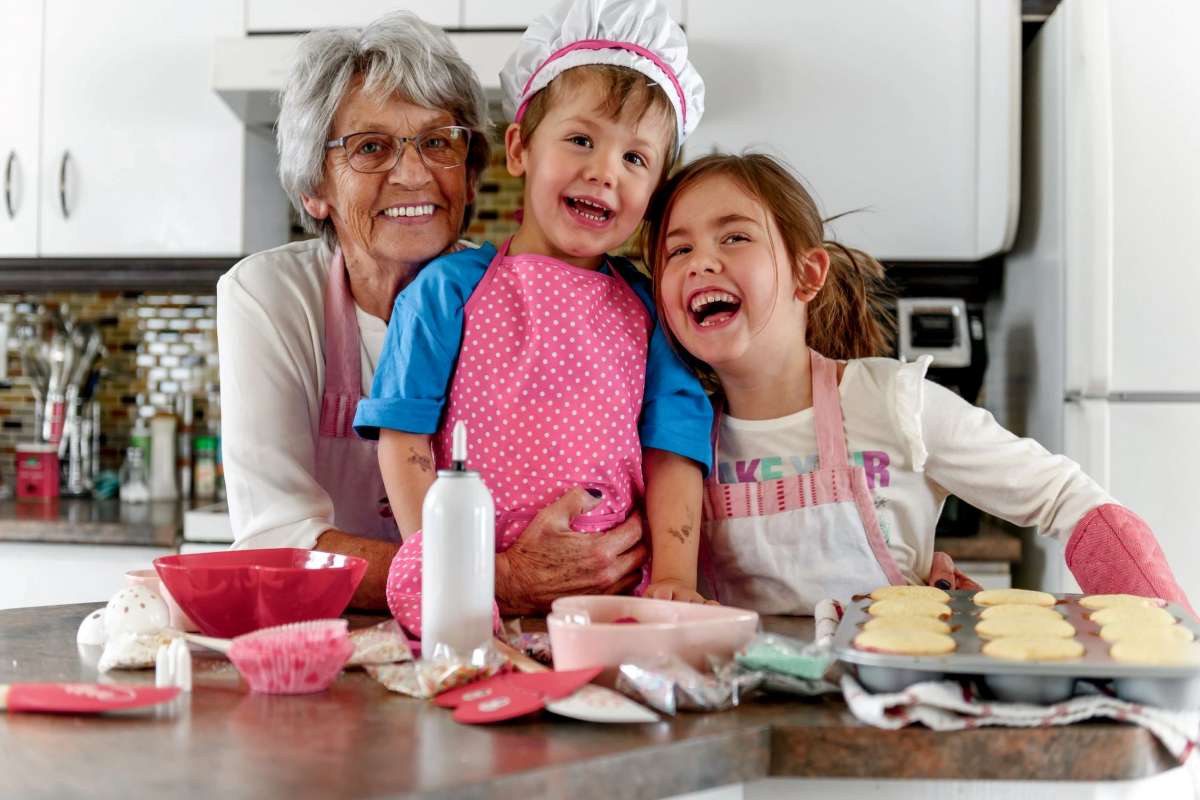

Sometimes I think grandparents put too much pressure on themselves.
You wonder if you did enough. If you visited enough. If you bought the right birthday gift. If you made the holidays magical enough. If your grandchild will look back one day and remember all the little things you tried so hard to do.
But the truth is, they probably won’t remember most of it.
What they remember, often without even realizing it, is how they felt when they were with you. Not what you bought them, not where you took them—but the feeling of being safe, seen, and loved. Those emotional impressions quietly settle in and stay with them far longer than any event ever could.
Psychology tells us something simple but powerful: the brain stores feelings more deeply than facts. A small moment filled with warmth can leave a stronger imprint than a whole day packed with activities. It’s not about how much you do—it’s about how it feels to be around you.
And that’s actually good news. Because it means the little, everyday moments—the ones that don’t look special on the outside—are the ones shaping how your grandchild will remember you for the rest of their life.
1. The Moment You Fully Stop and Listen (Without Interrupting)
You know those moments when your grandchild starts telling you something, and it takes a while to get to the point? Maybe it’s a long story about school, a dream they had, or something that feels small to you. It’s tempting to jump in, finish their sentence, or gently steer things along. But this is one of those moments that matters more than it seems.
When you pause everything—put the phone down, stop what you’re doing, and truly listen—you’re sending a quiet but powerful message: “You matter.” Not because of what they’re saying, but because they’re saying it. That feeling sticks with them in a deep way.
Kids don’t always remember advice or corrections, but they remember how it felt to be heard. When you let them talk, even if it’s messy or takes time, you’re giving them space to be themselves without pressure. That’s rare, and they feel it.
Sometimes the simplest things make the biggest difference. Getting down to their level, looking them in the eyes, and letting them finish without interrupting—it tells them they’re important. And over time, that becomes their definition of love.
2. The Moment You Stay Calm When They Mess Up
It happens so fast. A cup spills, something breaks, or they say something they shouldn’t. In those moments, your reaction matters more than the mistake itself. It’s natural to feel that quick rush of frustration—but what they’re really watching is how you respond when things go wrong.
When you stay calm, even just a soft “It’s okay, let’s fix it,” you’re doing something powerful. You’re showing them that mistakes don’t make them bad or disappointing. They don’t always have the words for it, but they feel the difference between panic and patience.
Kids remember those emotional moments clearly. Not the spill, not the broken item—but whether they felt safe or ashamed afterward. When you respond gently, you become the person they associate with comfort, not fear.
Over time, that sticks. They grow up remembering that you were the one who didn’t make a big deal out of their worst moments. The one who stayed steady. And that sense of safety becomes something they carry with them long after childhood.
Read Also: Science Says Grandchildren Feel Close to Grandparents Who Say These 5 Simple Things
3. The Moment You Let Them Help (Even When It Slows You Down)
Letting a child “help” isn’t always easy. It takes longer, gets messier, and rarely goes the way you planned. Whether it’s baking cookies, watering plants, or setting the table, it can feel simpler to just do it yourself. But those small moments of involvement mean more than we realize.
When you invite them in, you’re telling them, “You belong here.” Not just as someone to entertain, but as someone who contributes. Even if their help isn’t perfect, the feeling it gives them is. They feel included, capable, and important.
There’s something powerful about being trusted with a small task. Stirring the batter, carrying something carefully, or being “in charge” of one little thing—it builds confidence quietly. They start to see themselves as someone who matters in the family.
And years later, that’s what they remember. Not just the cookies or the activity, but the feeling of being part of it. The feeling that you didn’t rush them or push them aside. You made space for them, even when it took a little longer—and that meant everything.
Love Being a Grandma?

Join 33,762+ grandmas who wake up to a cheerful, uplifting email made just for you. It’s full of heart, sprinkled with fun, and always free. Start your mornings with a smile—sign up below! ❤️
4. The Moment You Make Them Feel Chosen
When there are multiple grandkids around, it’s easy for moments to blur together. Everyone’s talking, playing, needing something. But every now and then, there’s a quiet opportunity to pull one of them close and give them your full attention—even if it’s just for a few minutes. That small shift matters more than you think.
When you say something like, “Come sit with me—I want to hear about your day,” you’re doing something powerful. You’re not just being kind. You’re making them feel chosen. Not just part of the group, but someone who is individually seen and valued.
Kids notice that feeling right away. It tells them, “I’m special to you.” And that doesn’t require a big outing or a long conversation. It can happen in the middle of a busy day, in a quiet corner, or during a simple moment together.
Years later, they may not remember what you talked about. But they’ll remember how it felt to have your attention in that way. To be the one you paused for. And that feeling of being chosen often becomes one of the strongest emotional ties they carry with you.
5. The Moment You Slow Down Instead of Rushing Them
Life moves fast, and it’s easy to fall into that rhythm without thinking. “Hurry up,” “Let’s go,” “We don’t have time”—those words come out quickly, especially when there’s somewhere to be. But for kids, those rushed moments can feel overwhelming in ways we don’t always see.
When you choose to slow down instead—when you let them finish tying their shoes, or take the time to listen to the end of their story—you’re giving them something deeper than patience. You’re giving them a sense of calm. A feeling that they’re not being pushed or pulled, but simply allowed to be where they are.
That slower pace creates a different kind of environment. One where they feel safe, not hurried. Where they can explore, think, and move at their own rhythm without feeling like they’re doing something wrong.
And that’s what stays with them. Not the schedule or the destination, but the feeling of ease. The sense that being with you didn’t feel stressful or rushed. It felt steady. And that kind of calm becomes something they quietly long for again as they grow older.
6. The Moment You Say Something That Stays With Them
It might not feel like a big moment at the time. You’re just talking, maybe in passing, maybe in the middle of an ordinary day. But sometimes, one simple sentence lands in a way that stays with a child far longer than you’d ever expect.
Words have a quiet way of becoming part of how children see themselves. When you say things like, “I love who you are,” or “I’m proud of how kind you are,” those words don’t just disappear. They settle in. Over time, they become part of their inner voice.
Kids repeat what they hear, especially from people they trust. So when your words are steady, warm, and encouraging, they begin to carry that same tone inside themselves. It shapes how they talk to themselves when things get hard later on.
You don’t need a perfect speech. Just simple, honest words said consistently. One day, they may not remember exactly when you said it—but they’ll carry the feeling of it with them. And often, your voice becomes the one they hear when they need it most.
Read Also: 10 Habits of Grandparents Who Build Unbreakable Bonds With Their Grandchildren
Conclusion: It Was Never About Doing More
It’s easy to feel like you have to do more to be a “good” grandparent. More activities, more outings, more effort to make things special. But the truth is, it was never really about doing more—it’s about being present in the moments that are already there.
The small, everyday interactions are what leave the deepest mark. The way you listen, the way you respond, the way you make them feel safe and seen. Those things don’t require extra time or planning. They just require your attention.
When you think back on your own childhood, chances are it’s not the big events you remember most clearly. It’s the feeling of being with someone who made you feel calm, accepted, and loved. That’s what you’re giving your grandchild in these small moments.
One day, they won’t remember every visit or every thing you did together. But they will remember how it felt to be around you. And that feeling—quiet, steady, and full of love—is what stays with them for the rest of their life.
Love Being a Grandma?
Join 33,762+ grandmas who wake up to a cheerful, uplifting email made just for you. It’s full of heart, sprinkled with fun, and always free. Start your mornings with a smile—sign up below! ❤️