
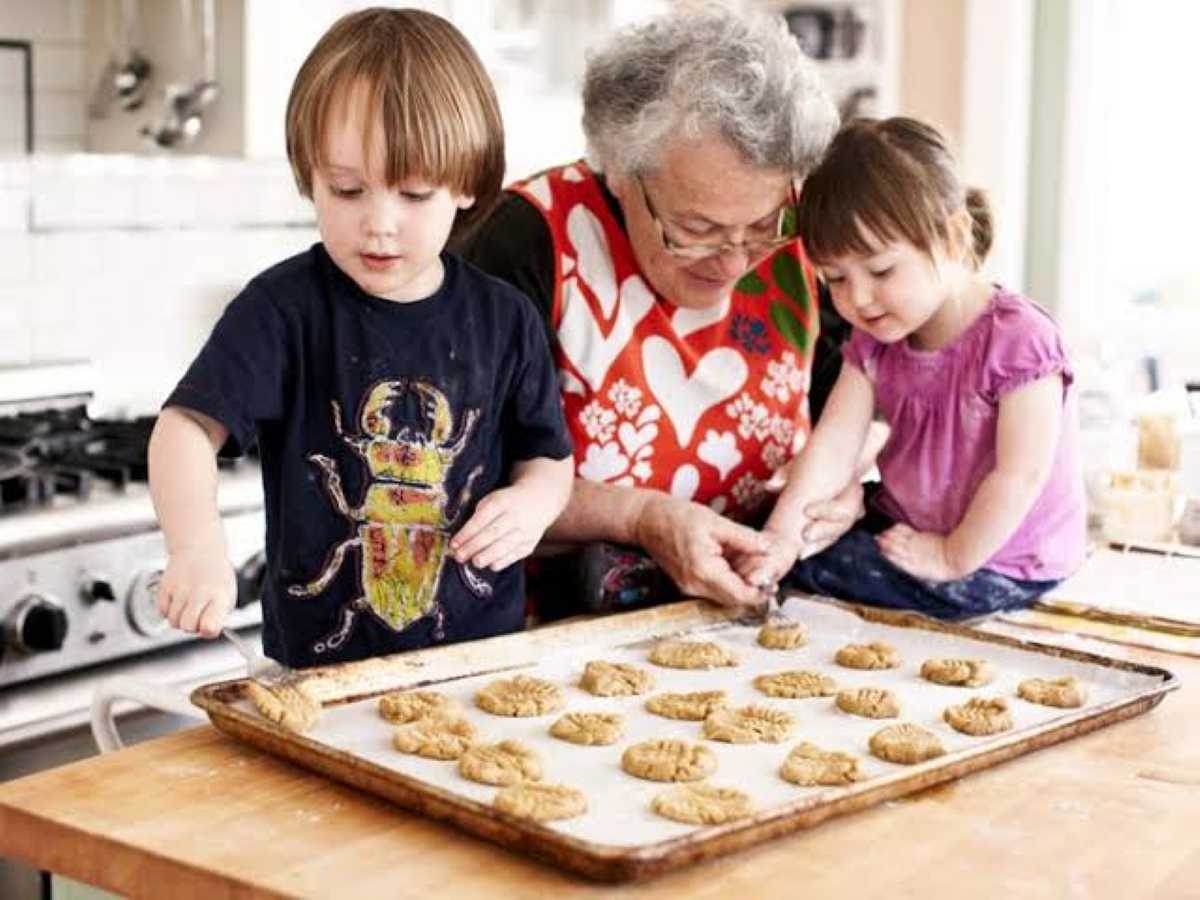

You’re in the kitchen with your 4-year-old grandson. He’s “helping” you make cookies, which means there’s flour on the counter, the floor, and somehow in his hair. You’re laughing. Then your daughter walks in, looks at the mess, looks at you, and says, “Who are you? You never let me do that.”
If that sounds familiar, you’re not alone. A lot of us are calmer, more patient, and more fun as grandmothers than we were as mothers. Our grown kids notice. Sometimes it makes them smile, and sometimes it stings a little.
But here’s the thing. Being a better grandma doesn’t mean you were a bad mom. Back then, you had bills to pay, jobs to get to, meals to cook, and about five things going on at once. You did your best with what you had. Now you have more time, more patience, and a lot more life experience.
And the grandmothers who really shine usually don’t do it with big trips or fancy gifts. They do it with small, everyday habits. Here are seven of them.
1. They Listen All the Way to the End of the Story
Kids tell long stories. Really long ones. Your 6-year-old granddaughter might spend ten minutes explaining a dream she had, or every single thing she built in her video game. The story wanders. It loops back. It doesn’t really have an ending.
When we were young moms, most of us didn’t have time for that. There was dinner to get on the table, a baby crying in the other room, and homework to check. So we nodded, said “That’s nice, honey,” and moved on. That’s normal. That’s life with little kids.
Good grandmas do it differently. They sit down, look the child in the eye, and let the whole story come out. No rushing. No fixing the details. No checking the phone halfway through.
It can be as simple as saying, “And then what happened?” instead of “Okay, sweetie, go wash your hands.”
That one little question tells a child something big: You matter. What you say is worth hearing. Kids don’t always remember what you bought them. But they almost always remember who made them feel interesting.
2. They Let the Small Stuff Go
Your grandson shows up in a striped shirt, plaid shorts, and one rain boot. There are cracker crumbs all over your couch. And yes, somebody had ice cream before dinner, “just this once.”
Thirty years ago, any one of those things might have set you off. Today? You barely blink.
That’s because time teaches you what really matters. When you look back, you realize nobody remembers whether the beds were made or the kids matched. What sticks is whether they were safe, whether they were kind, and whether they told the truth. Those are the battles worth fighting. Most of the rest is just noise.
So when the juice spills, a great grandma laughs, grabs a towel, and says, “Oops! Let’s clean it up together.” No big sigh. No lecture. The child learns that mistakes happen and they’re no big deal.
One thing to keep in mind, though. Letting little things slide at Grandma’s house is different from breaking Mom and Dad’s rules. Crumbs on your couch are your call. Skipping a bedtime or a food rule the parents set is not. (More on that in #5.)
3. They Show Up for Ordinary Days, Not Just Holidays
Holidays and birthdays are wonderful. But kids don’t feel close to someone because of one big day a year. They feel close because that person keeps showing up.
The best grandmas are there on regular days. They do the Tuesday afternoon school pickup. They make a quick phone call or FaceTime just to ask how the spelling test went. They sit in a folding chair at a Saturday morning soccer game and cheer like it’s the World Series.
None of that is fancy. That’s exactly why it works. When kids see you again and again, they learn they can count on you. That’s how trust is built, one plain old day at a time.
It can be as simple as a standing “Grandma Wednesday” for pizza and board games. If you live far away, try mailing a postcard every week or setting up a regular video call. Kids love getting mail with their name on it, and they’ll look forward to it more than you’d think.
Showing up doesn’t have to be big. It just has to be steady. That’s a grandma’s quiet superpower.
Read Also: 6 Things Grandparents Do That Make Grandkids Remember Visits as an Obligation, Not a Joy
4. They Say “I’m Sorry,” Including to Their Grown Kids
Nobody’s perfect, grandmas included. Some days you’re tired, your knees hurt, and you snap at your granddaughter for something small. It happens.
What makes a great grandma isn’t never messing up. It’s what she does next. She goes back and says, “I’m sorry I got short with you, sweetie. That wasn’t fair.” Simple as that.
That little moment teaches a child something really important: people who love each other can make mistakes and still be okay. When kids see a grown-up say sorry, they learn how to do it too.
Sometimes this goes deeper, with your own grown kids. Maybe your son points out that you’re way easier on his kids than you ever were on him. Instead of getting defensive, you can say, “You’re right. I was harder on you than I am on Emma. I’ve learned a lot since then.” Those few words can mean more to him than you’ll ever know.
One tip: keep it short and honest. You don’t need to apologize ten times or beat yourself up. And try not to turn it into a moment where your child has to make you feel better. Just say it, mean it, and let it land.
Love Being a Grandma?

Join 29,000+ grandmas who wake up to a cheerful, uplifting email made just for you. It’s full of heart, sprinkled with fun, and always free. Start your mornings with a smile—sign up below! ❤️
5. They Back the Parents’ Rules, Even When They’d Do It Differently
Let’s be honest. Some of today’s parenting rules can make you scratch your head. Car seats until what age? No sugar at all? Talking through every meltdown instead of just saying “Because I said so”?
It’s okay to have opinions. But the best grandmas know their job isn’t to run the show. It’s to be on the parents’ team.
That means following the nap schedule, sticking to the screen-time limits, and respecting the food rules, even at your house. Before you hand over a cookie, you ask first. When your grandson begs for one more cartoon, you say, “What does Mom say about that? Okay, then that’s what we’ll do.”
This matters more than you might think. When parents feel like you respect their choices, they trust you more. And when they trust you more, you usually get more time with the grandkids. When they feel like you’re working against them, that door can start to close.
Biting your tongue isn’t always easy. If something really worries you, like a safety issue, it’s fine to bring it up. Just do it privately, not in front of the kids, and keep it gentle. Something like, “Can I share something I’ve been thinking about? You can totally tell me no.” Then let it go. It’s their turn to be the parents now, and you’ve earned the fun job.
6. They Share Their Stories, Flaws and All
Kids love hearing about the “olden days.” What was school like? Did you have a phone? Did you ever get in trouble?
Great grandmas don’t just tell the proud stories. They tell the real ones too. The time you failed your driver’s test. The time you got sent to the principal’s office. The time you got lost in Chicago and cried at a bus stop until a nice lady helped you find your way.
Those stories do something special. They show kids that they come from somewhere, and that the people in their family got through hard stuff. When a child is scared or messes up, it helps to know Grandma did too, and she turned out just fine.
You don’t need a big sit-down talk. Pull out an old photo album on a rainy afternoon. Make your mother’s pie recipe together and tell them who taught it to you. Let the stories come up naturally.
And don’t worry about looking less than perfect. Being honest about your mistakes doesn’t make kids respect you less. It makes them trust you more.
Read Also: 7 Significant Be’s of Being a Significant Grandmother
7. They Say Yes to Play (and Actually Get Down on the Floor)
“Grandma, will you play with me?”
When you were a young mom, the answer was often “In a minute, honey.” And that minute sometimes never came, because the laundry, the dishes, and the bills were waiting.
Now, the best grandmas say yes. They sit down for the tea party and hold out their pinky. They build a blanket fort in the living room. They go on a bug hunt in the backyard and get just as excited about a roly-poly as the kids do.
And they put the phone away while they do it. The to-do list can wait.
Part of what makes this easier now is having more free time. But the bigger reason is that you know something young parents don’t fully believe yet: childhood goes by fast. Really fast. One day they want you to play, and the next day they’re driving.
So teach them Go Fish or Rummy. Show them how to plant tomatoes and wait for them to turn red. It doesn’t have to be fancy. Years from now, they won’t remember the toys. They’ll remember that Grandma was right there with them.
Final Thoughts…
Remember that kitchen covered in flour, and your daughter asking, “Who are you?”
It might sound like a complaint, but it’s really a compliment. She’s noticing how much you’ve grown.
Try not to feel guilty about the mom you were back then. You were raising kids with less time, less money, less sleep, and a lot less information than parents have today. You did your best with what you had. Becoming softer and wiser with age isn’t something to be ashamed of. It’s something to be proud of.
And here’s a nice bonus. Many of these habits, like listening, saying sorry, and respecting their rules, don’t just help you bond with your grandkids. They can also bring you closer to your grown children. Sometimes the way you love their kids helps heal old hurts in a way that words alone can’t.
You don’t get a do-over on raising your kids. But you do get a second chance to love the way you always wanted to.
Love Being a Grandma?
Join 29,000+ grandmas who wake up to a cheerful, uplifting email made just for you. It’s full of heart, sprinkled with fun, and always free. Start your mornings with a smile—sign up below! ❤️