
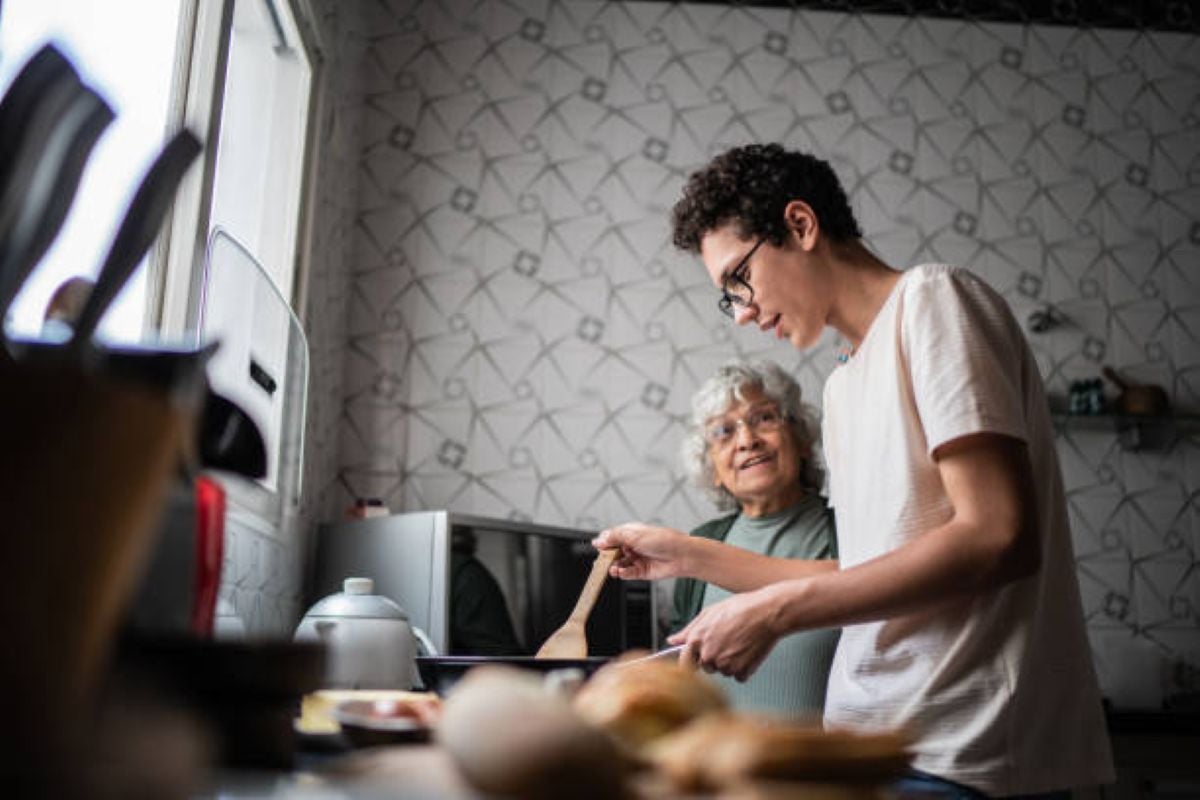

You know how sometimes you ask a child, “How was your day?” and you get nothing more than a quick “fine”? It’s not that they don’t want to share—it’s just that they don’t always know how. Kids (even the chatty ones) often need a little help putting their feelings into words. And honestly, that’s where we come in.
The beautiful thing is, it’s not about saying the perfect thing. You don’t need to be a therapist or have all the right answers. What matters most is that your grandchild feels safe with you—safe enough to open up, even if it takes time. Sometimes just sitting beside them, asking gently, and really listening can mean more than any “perfect” response ever could.
And here’s the part that gets me every time… these small, simple conversations? They’re not small at all. They’re quietly building trust. They’re showing your grandchild, “You can come to me. I care about what’s in your heart.” And years from now, that’s what they’ll remember—not what you said exactly, but how you made them feel.
1. “What was the best part of your day—and the hardest?”
I love this question because it goes just a little deeper than the usual “How was your day?” It gives your grandchild permission to share both the good and the not-so-good. And let’s be honest—life isn’t all happy moments, even for kids. Sometimes they just need to know it’s okay to talk about the hard stuff too.
When they tell you the best part, you get to celebrate with them. Maybe it was something small—like a joke with a friend or getting a good grade. But when they share the hardest part? That’s where the real connection happens. That’s your window into what’s really going on in their little world.
And the best part is, you don’t have to fix anything. Just listening, maybe saying, “That sounds tough,” or “I’m really glad you told me,” can go such a long way. Over time, they’ll start to open up more and more—because they know you’re not just there for the happy stories, but for the hard ones too.
2. “When do you feel most like yourself?”
This one is a little different—and honestly, a little special. It helps your grandchild start thinking about who they are, not just what they do. And you might be surprised by their answer.
Maybe they’ll say they feel most like themselves when they’re drawing, or playing outside, or just being silly at home. Or maybe it’s when they’re with a certain friend—or even with you. Whatever they say, it gives you a beautiful glimpse into what makes them feel safe, relaxed, and truly seen.
And once you know that, you can nurture it. If they feel most like themselves when they’re creating something, you can encourage that. If it’s when they’re in a calm, quiet space, you can help create more of those moments together.
It’s also a subtle way of telling them, “You don’t have to be anyone else with me.” And that’s such a powerful message for a child to carry—especially in a world that’s always trying to shape them into something else.
3. “Is there something you wish adults understood about kids your age?”
This question can open up a whole new side of your grandchild you might not see otherwise. It’s like handing them the microphone and saying, “Hey, I really want to hear your side of things.” And kids don’t always get that opportunity.
You might hear something simple… or something that surprises you. Maybe they feel like adults don’t listen enough, or that there’s too much pressure at school, or that no one understands what it’s like to be their age right now. Whatever they share, it gives you a peek into their world—the one they’re living every day but don’t always talk about.
And here’s the important part: try not to jump in and correct or explain. Just listen. Even if you don’t fully agree, the fact that you’re willing to hear them out makes them feel respected. That alone can strengthen your bond in a way that’s hard to describe. It tells them, “Your thoughts matter to me.”
4. “What’s something that made you feel proud lately?”
I really love this one because it shifts the focus away from “What did you achieve?” to “What made you feel something?” And that’s such a subtle but powerful difference.
Sometimes kids don’t even realize they should feel proud of something. It might be something small—like helping a friend, trying something new, or even just getting through a tough day. When you ask this question, you’re helping them pause and recognize those moments.
And when they share, you get to reflect it back to them. You might say, “That is something to be proud of,” and you can almost see it click in their mind. It builds this quiet confidence—not the loud, show-off kind, but the kind that sits deep inside and grows over time.
It also shows them that being proud isn’t just about big wins. It’s about effort, kindness, and courage too. And honestly, those are the things that matter most in the long run.
5. “Do you ever feel worried about something but don’t want to talk about it?”
This question is a gentle one. It doesn’t push—it just opens the door a little and lets them decide if they want to walk through it.
Sometimes kids carry worries they don’t know how to explain. Or they’re afraid of being judged, or getting in trouble, or even just not being understood. By asking this, you’re quietly telling them, “I see you… even the parts you’re not saying out loud.”
And here’s the key: if they say “no,” that’s okay. If they shrug, that’s okay too. The magic of this question isn’t always in the answer—it’s in the message behind it. You’re showing them that they can talk to you, without pressure.
Over time, that safety builds. And one day—maybe not right away, but when it really matters—they might come to you and say, “Grandma, can I tell you something?” And that moment? That’s everything.
Read Also: 12 Unique Compliments That Will Instantly Boost Your Grandchild’s Confidence
Love Being a Grandma?

Join 29,000+ grandmas who wake up to a cheerful, uplifting email made just for you. It’s full of heart, sprinkled with fun, and always free. Start your mornings with a smile—sign up below! ❤️
6. “Who do you feel most comfortable talking to—and why?”
This question can be really eye-opening in the gentlest way. You’re not asking it to compare yourself to anyone—you’re just trying to understand their world a little better. Every child has their “safe people,” and it’s such a gift to know who those are.
They might say a friend, a parent, a teacher… or maybe even you. And if they don’t say you right away, that’s okay. Really. This isn’t about feeling hurt—it’s about learning what makes them feel safe with someone. Is it because that person listens without interrupting? Doesn’t judge? Makes them laugh?
Once you hear their “why,” you start to understand what they need emotionally. And the beautiful part is, you can gently become more of that for them. Not by forcing it, but by showing up in those same ways.
And if they do say you? Oh, hold onto that. That means they see you as a safe place—and that’s one of the most special roles you can have in their life.
7. “What do you do when you feel upset?”
This one gives you a little window into how they handle their emotions when things get hard. And kids don’t always have the best tools yet—because no one really teaches them how, right?
You might hear things like, “I go to my room,” or “I play games,” or even “I just cry.” And whatever their answer is, it tells you so much about how they’re coping on their own.
Instead of correcting them, you can gently join them in that moment. You might say, “That makes sense,” or “I used to feel that way too.” And then, if it feels natural, you can share something that helps you. Not as a lesson—just as a story.
Over time, you’re helping them build a little toolbox for their feelings. Nothing forced. Just small, loving guidance that says, “You’re not alone in this, and there are ways to get through it.”
8. “If you could change one thing about your day-to-day life, what would it be?”
This question can bring out some surprisingly honest answers. Kids notice more than we think—and sometimes they’re just waiting for someone to ask.
Maybe they’ll say something simple, like wanting more free time or less homework. Or maybe it’s something deeper, like wishing things felt calmer at home or easier with friends. Whatever it is, this question shows them that their experience matters—that their daily life isn’t just something they have to “get through.”
And when they share, resist the urge to fix it right away. Just listen. You might say, “I can see why you’d feel that way,” or “That sounds really important to you.”
Even if you can’t change the situation, you’ve done something powerful—you’ve made them feel seen. And sometimes, that alone lifts a weight off their shoulders more than we realize.
9. “What makes you feel really loved?”
This one… this is such a special question. Because sometimes we think we’re showing love in all the right ways—but what makes them feel loved might look a little different.
You might expect something big, but often their answer is beautifully simple. Maybe it’s when you sit and really listen to them. Or when you remember something they told you weeks ago. Or even just when you hug them a certain way. Kids notice those little things more than we realize.
And when they tell you? That’s like being handed a little map straight to their heart. It gives you the chance to love them in a way they can actually feel, not just in a way we assume they should.
It also sends a quiet message: “Your feelings matter. I care enough to learn how to love you better.” And that kind of love… it stays with them for life.
10. “Have you ever felt left out or misunderstood?”
This question can open a door that kids don’t always know how to open themselves. Feeling left out… feeling like no one gets you… those are heavy feelings, even for adults. For kids, it can feel even bigger.
They might hesitate at first. Or they might say, “Yeah… sometimes,” and then pause. If that happens, just give them space. Let them take their time. You don’t need to rush in or fill the silence.
When they do share, you might hear about friendships, school moments, or times they felt invisible. And your role here isn’t to fix it—it’s just to be there. To say things like, “That must have hurt,” or “I’m really glad you told me.”
Moments like this build something deep between you. They start to see you as someone who understands their feelings, not just someone who gives advice. And that kind of emotional safety? It’s something they’ll keep coming back to.
Love Being a Grandma?
Join 29,000+ grandmas who wake up to a cheerful, uplifting email made just for you. It’s full of heart, sprinkled with fun, and always free. Start your mornings with a smile—sign up below! ❤️
11. “What’s something you wish you were better at—but feel scared to try?”
I love this question because it gently brings out both their dreams and their fears at the same time. And let’s be honest—we all have things we want to try but feel a little nervous about, don’t we?
They might say something like speaking up in class, trying a new sport, making new friends, or even something creative. And underneath that answer is usually one simple feeling: “What if I’m not good enough?”
This is your moment to normalize that fear. You can say, “That’s such a brave thing to even admit,” or “I’ve felt that way too.” When they realize they’re not the only one who feels scared, something shifts.
You’re not pushing them to do it—you’re just reminding them that it’s okay to try, even if it feels uncomfortable. And sometimes, knowing someone believes in them quietly, without pressure… that’s exactly what gives them the courage to take that first step.
12. “When do you feel the happiest with our family?”
This question has a way of bringing out the sweetest answers. And honestly, they’re not usually about big holidays or fancy plans. More often, it’s the little things.
They might say something like, “When we’re all laughing at dinner,” or “When we watch movies together,” or even “When I stay over at your house.” And hearing that? It gives you such a clear picture of what moments truly matter to them.
It’s also a beautiful reminder that you don’t have to do anything extraordinary to make them happy. Just being present, creating simple, warm moments—that’s what sticks.
And once you know what those moments are, you can create more of them. Not in a forced way, just naturally. It’s like you’ve discovered the little pieces of time where they feel most connected, most relaxed, most at home. And that’s something really special.
13. “If your feelings could talk, what would they say right now?”
This one can feel a little playful—but it can also go surprisingly deep. Especially for younger kids who don’t always have the words to explain how they’re feeling.
Instead of asking them to label their emotions directly (which can be hard), you’re inviting them to imagine. Maybe they’ll say, “My feelings would say I’m tired,” or “They’d say I wish someone would play with me,” or even something funny like, “They’d say I need snacks.”
It takes the pressure off. It turns something serious into something safe and a little creative. And in that space, kids often open up more than you’d expect.
And when they share, you can gently reflect it back. “That makes sense,” or “I’m really glad you told me.” You’re helping them understand their own emotions—without making it feel like a lesson. Just a conversation.
14. “What helps you calm down when you’re overwhelmed?”
This question is such a quiet way of saying, “I know things can feel like too much sometimes.” Because they do—for all of us, not just kids.
Their answers might be simple. Maybe it’s being alone for a bit, playing a game, hugging someone, or even just having a quiet space. Whatever they say, you’re learning how they naturally try to handle those big feelings.
And from there, you can gently build on it. You might say, “That’s a really good way to help yourself,” or share something that helps you too. Not as advice—just as, “Hey, this works for me sometimes.”
Over time, you’re helping them create their own little “calm-down toolkit.” Nothing complicated. Just small, comforting things they can turn to when emotions feel big.
And the best part? They start to feel like they can handle those moments a little better. And they know they’re not alone in it.
15. “Is there anything you’ve been wanting to tell me but didn’t know how?”
This question… it’s a powerful one. But in the gentlest way possible. You’re not pushing, you’re not digging—you’re simply opening the door and saying, “If there’s something on your heart, I’m here.”
And sometimes, they might not say anything right away. You might get a quiet “no,” or a shrug. That’s okay. Really. Because what you’ve just done is plant a seed.
You’re showing them that there’s nothing too awkward, too big, or too small to bring to you. That they don’t have to have the perfect words. That even if they don’t know how to say something… you’ll meet them there.
And one day, maybe when you least expect it, they’ll come to you with something real. Something they’ve been holding in. And it’ll be because of moments like this—when you made it safe without making it heavy.
How to Use These Questions Without It Feeling Like an Interrogation
You don’t have to sit them down and go through a list like it’s a checklist. Honestly, that’s the fastest way to shut a conversation down. Kids can feel that kind of pressure right away.
The magic happens in the in-between moments. In the car, when you’re driving somewhere together. While you’re baking cookies side by side. Right before bedtime, when things feel a little quieter and softer. That’s when one simple question can open up a whole conversation.
And here’s something that might feel uncomfortable at first—silence. If you ask a question and they don’t answer right away, that’s okay. You don’t need to jump in and fill the space. Sometimes they’re just thinking… or deciding if they feel safe enough to share.
The biggest thing? Listen more than you talk. You don’t have to fix, teach, or guide every moment. Just being there, fully present, is more powerful than any advice you could give.
When They Don’t Open Up Right Away (And Why That’s Okay)
This is the part a lot of us worry about. You ask something thoughtful… and you get almost nothing back. It can feel a little discouraging, like maybe you said the wrong thing.
But the truth is, opening up takes time. Especially for kids who are still figuring out their feelings—or who aren’t used to talking about them. Trust isn’t built in one conversation. It’s built in many small, quiet moments over time.
Think of it like this: every time you ask gently, every time you listen without judgment, every time you show up… you’re adding another layer of safety. Even if you don’t see the results right away.
And sometimes, just asking the question is already meaningful. Even if they don’t answer in that moment, they heard you. They felt that you care. And that stays with them.
So don’t worry if it doesn’t happen overnight. Just keep showing up the way you always do—with patience, warmth, and love. That’s what they’ll remember most.
Read Also: 12 Simple Voice Notes That Will Mean Everything to Your Grandkids One Day
Love Being a Grandma?
Join 29,000+ grandmas who wake up to a cheerful, uplifting email made just for you. It’s full of heart, sprinkled with fun, and always free. Start your mornings with a smile—sign up below! ❤️