
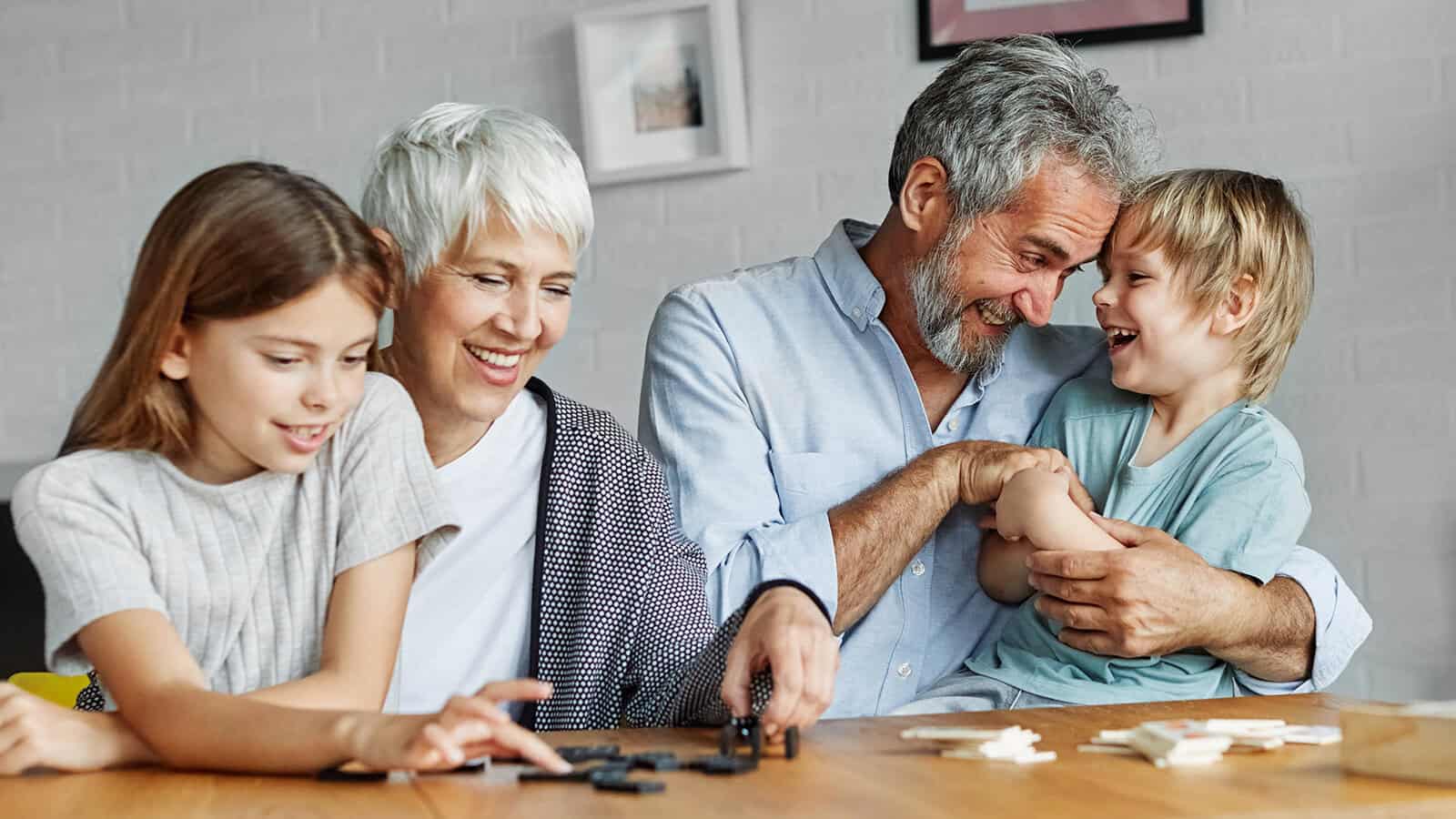

Last summer, my neighbor watched her 8-year-old grandson tie a fishing knot. He looped the line twice, pulled it tight with his teeth, and said, “That’s how Grandpa does it.” Nobody had taught him that last part. He’d just watched.
That’s how it works with grandkids. They learn way more from what you do than from what you say. You might think they’re busy with their tablet or not paying attention. But they’re watching. They notice how you talk, how you act when you’re upset, and how you treat the people around you.
And today, a lot of grandparents are a bigger part of their grandkids’ lives than ever. Some babysit every week. Some are raising their grandkids full-time. Even if you live far away and mostly see them on video calls, you still leave a mark.
So let’s look at 10 things your grandkids are picking up from you, often without you even knowing it, plus simple ways to make the most of each one.
1. How You Treat Your Spouse or Partner
Kids get their first ideas about love from the couples they see up close. Parents are a big part of that, but you are too.
Your grandkids notice the little things. How you say good morning. Whether you thank each other for making coffee or taking out the trash. Whether you still hold hands, tease each other, or laugh at the same old jokes. These small moments show them what a caring relationship looks like.
They also notice how you handle arguments. Every couple disagrees sometimes, and that’s fine. What matters is how you do it. Do you listen? Do you stay kind, even when you’re annoyed? Do you make up afterward? A child who sees two people disagree and still love each other learns something really important: a fight doesn’t have to mean the end of a relationship.
If you’ve lost your spouse or gone through a divorce, this still applies. The way you talk about a late husband or wife teaches your grandkids about loyalty and love that lasts. And if you speak about an ex without bitterness, you’re showing them how to be fair and graceful, even when things didn’t work out.
Try this: Let your grandkids see you being kind to each other, and let them see you disagree the right way. Something as simple as “We see this differently, and that’s okay” teaches them more than any lecture could.
2. How You Handle Getting Older
Your grandkids are learning what getting older looks like, and you’re their main example. The way you handle it shapes how they’ll feel about their own future, and how they’ll treat older people too.
Think about the things you say out loud. If you’re always joking that you’re “falling apart” or “too old for that,” kids pick up on it. They start to think getting older is something sad or scary. But if they see you trying new things, staying curious, and enjoying your days, they learn that every part of life can be good.
They also notice how you deal with the hard stuff. Maybe you need reading glasses now, or a hearing aid, or you walk a little slower than you used to. When you handle these changes calmly, and even with a sense of humor, you show them that changes are just part of life. Nothing to be embarrassed about.
The same goes for doctor visits. If they see you take care of yourself and follow through on checkups, they learn that looking after your body is a normal, grown-up thing to do.
Try this: Talk about what you like about this stage of life, not just what you miss. Maybe you finally have time to garden, read, travel, or learn to paint. Tell your grandkids about it. Better yet, invite them to try it with you.
3. Your Work Ethic and Sense of Responsibility
Whether you’re still working or retired, your grandkids see how you get things done.
They notice when you finish what you start. They notice when you show up on time, keep your promises, and take care of your things. Mowing the lawn, cooking dinner from scratch, fixing a leaky faucet, or volunteering at church. To you, these are just everyday chores. To a kid, they’re lessons in how to do a job right.
Your stories matter here too. Kids love hearing about your first job, the strict boss you once had, or the time you messed up at work and had to fix it. These stories show them that hard work isn’t just something adults talk about. It’s something real people do, even when it’s tough or boring.
And here’s the good news: you don’t have to give a speech about responsibility. Just let them see you do things with care.
Try this: Invite your grandkids to help with real tasks, like washing the car, following a recipe, or planting tomatoes. Then tell them why you do it a certain way. “We rinse the car first so the dirt doesn’t scratch the paint.” Little explanations like that stick with kids for years.
4. How You Talk About Other People
Kids are like little sponges when it comes to how we talk about others. The way you speak about neighbors, relatives, or people who look, live, or think differently than you, they soak it all up.
They notice whether you gossip or say kind things. They notice how you treat the cashier at the grocery store, the server at the diner, or the mail carrier. A simple “thank you” and a smile show them that every person deserves respect, no matter what job they do.
They also notice how you talk about people who see the world differently. If you can disagree with someone and still be polite, you’re teaching your grandkids a skill a lot of grown-ups never learn.
Here’s the big one: be careful how you talk about their mom or dad. Families have rough patches, and sometimes you might not agree with how your grandkids are being raised. That’s normal. But when kids hear a grandparent criticize their parents, it can leave them feeling confused, hurt, or stuck in the middle. Save those conversations for when the kids aren’t around.
Try this: When someone does something that bugs you, try saying, “Maybe they’re having a hard day.” Giving people the benefit of the doubt teaches your grandkids to be patient and kind, instead of quick to judge.
Read Also: 12 Little Things Grandparents Say That Stick With Grandkids for Life
5. How You Manage Money
For a lot of kids, Grandma and Grandpa are their first real teachers about money. How you save, spend, and share sends a strong message.
They notice when you shop with a list instead of grabbing whatever looks good. They notice when you clip coupons, compare prices, or wait to buy something until you’ve saved up for it. They notice if you give to your church, a food bank, or a neighbor in need. And yes, they notice if money seems to stress you out.
Many grandparents grew up in times when money was tight. Maybe you remember wearing hand-me-downs, sharing a bedroom with three siblings, or saving for months to buy a bike. Those stories are gold. They help kids understand that money takes work to earn, and that you can be happy without having everything.
Try this: Open a savings account with your grandchild and add a little to it on birthdays. Let them help plan a small outing, like a trip to the zoo with $40 to spend. Or at the store, explain your choices out loud: “This one costs less and works just as well, so I’ll get that one.” Simple moments like these teach lessons they’ll use for the rest of their lives.
Love Being a Grandma?

Join 29,000+ grandmas who wake up to a cheerful, uplifting email made just for you. It’s full of heart, sprinkled with fun, and always free. Start your mornings with a smile—sign up below! ❤️
6. How You React When Things Go Wrong
Life doesn’t always go as planned, and your grandkids are watching to see what you do when it doesn’t.
Maybe the dinner rolls burn. Maybe you get a flat tire on the way to the park, or your favorite team loses a close game. Little moments like these happen all the time. How you react teaches your grandkids how to handle their own bad days.
If you yell, slam doors, or give up, they learn that’s what you do when things get hard. But if you stay calm, take a breath, and look for a fix, they learn something much better: problems can be solved, and a bad moment doesn’t have to ruin the whole day.
This matters even more with the big stuff, like a health scare or sad family news. You don’t have to hide your feelings or pretend everything is fine. Kids can handle seeing you upset. What helps them most is seeing you feel those feelings and then keep going.
Try this: Talk through it out loud. Something like, “I’m really frustrated right now, so I’m going to take a deep breath and figure out what to do next.” It might feel a little silly at first, but you’re showing your grandkids exactly how to calm down and bounce back. That’s a skill they’ll need their whole lives.
7. Your Faith, Values, and Traditions
In a lot of families, grandparents are the ones who keep traditions alive. You’re the one who knows how Great-Grandma made her pie crust, which songs get sung at Christmas, or how the family has always celebrated birthdays.
Your grandkids notice all of it. Saying grace before meals. Going to church or temple together. Making the same stuffing every Thanksgiving. Hanging the flag on the Fourth of July. Driving hours to the family reunion every summer. These things might feel like habits to you, but to a kid, they’re a big part of what makes your family your family.
One thing to keep in mind: your grandkids’ parents may not share all your beliefs or want to do things the same way. That’s their choice to make. The best approach is to share what matters to you without pushing. Kids are much more likely to treasure a tradition when it feels like a gift, not a rule.
Try this: Tell your grandkids why a tradition matters. “We make this recipe every year because my mother made it for me when I was your age.” Once they know the story, it means something to them. Then ask if they’d like to help carry it on. You might be surprised how proud they are to be part of it.
8. How You Use Technology and Screens
It’s easy to blame kids for always being on their phones. But here’s the thing: they’re watching how we use ours too.
If you’re scrolling Facebook at the dinner table or checking your phone every time it buzzes, your grandkids notice. They also notice if the TV is always on in the background, even when nobody’s really watching it. Without meaning to, we can send the message that a screen is more interesting than the people right in front of us.
They also pay attention to how you talk about technology. If you’re always complaining that “these gadgets are ruining everything,” they might tune you out. But if you’re curious and willing to learn, they see that it’s never too late to try something new.
And here’s a fun twist: technology can actually bring you closer together. Ask your grandkid to show you how to use an app, send a photo, or play their favorite video game. Most kids light up when they get to be the teacher for once. It makes them feel smart and important, and it gives you something to laugh about together, especially when you lose badly at Mario Kart.
Try this: Set up a “screens down” time during visits, like during meals or for the first hour after they arrive. Put your own phone away first so they see you mean it. Then, other times, hand them the controller and let them be the expert.
Read Also: 29 Thoughtful Things to Mail Your Grandkids This Winter That Bring Warmth to Their Holidays
9. How You Take Care of Your Health
Your grandkids are learning about healthy habits by watching you, whether you mean to teach them or not.
They notice if you go for walks, work in the garden, or cook meals at home. They notice if you go to your doctor appointments and take your medicine like you’re supposed to. And they notice the not-so-healthy stuff too, like smoking, skipping meals, or always reaching for fast food.
Be extra careful about how you talk about food and bodies. Comments like “I’ve gotten so fat” or “I was bad today because I had dessert” might seem harmless. But kids hear these things and start to believe food is “good” or “bad,” and that their own bodies need fixing. They can start feeling that way at a surprisingly young age. Try to talk about food as something that gives us energy and something to enjoy, not something to feel guilty about.
You don’t have to be a fitness expert or eat perfectly. What matters is showing them that taking care of yourself is a normal, everyday thing.
Try this: Make healthy habits something you do together. Take a walk around the neighborhood after dinner. Plant a few vegetables and watch them grow. Cook a new veggie dish and let them do the stirring. Play catch in the backyard. When healthy stuff feels fun, kids are much more likely to stick with it.
10. How You Make Them Feel
Of everything on this list, this one matters most. Years from now, your grandkids might not remember what you said or every place you took them. But they’ll remember how you made them feel.
Did they feel safe at your house? Did they feel like you were glad to see them? Did they feel like they could tell you anything without getting in trouble or being laughed at? These feelings stick with kids for life.
Your grandkids notice when you really listen. When you put down what you’re doing, look at them, and ask follow-up questions, they feel important. They notice when you remember their best friend’s name, their favorite color, or that big test they were nervous about. They notice when you show up to their baseball game, school play, or piano recital, even if you have to sit on a hard bleacher for two hours.
They also notice whether you love them just as they are. Not just when they get good grades or behave perfectly, but on their grumpy days too. Kids who feel loved like that grow up knowing what real love looks like. And someday, they’ll likely treat their own families the same way.
Try this: Give your grandkid 10 minutes of your full attention. No phone, no TV, no chores. Ask questions that need more than a yes or no, like “What was the best part of your week?” And tell them something specific you admire about them: “I love how kind you were to your little sister today.” Words like that can stay with a child forever.
Conclusion
Your grandkids are always watching. They see how you treat your spouse, how you handle money, how you deal with bad days, and how you talk about other people. They’re learning from your habits, your stories, and your traditions. Most of all, they’re learning from how you love them.
That might sound like a lot of pressure, but here’s the good news: you don’t have to be perfect. Nobody is. When you lose your temper or say something you wish you hadn’t, just own it. A simple “I’m sorry, I shouldn’t have said that” teaches your grandkids one of the best lessons of all: everyone makes mistakes, and it’s never too late to make things right.
Think about your own grandparents for a minute. Maybe you still fold towels the way your grandma did, or hum a song your grandpa used to sing. That’s how it works. The little things you do today can be passed down for generations, long after the details are forgotten.
So pick one thing from this list and focus on it this week. Maybe it’s putting your phone away during dinner, or telling a story about your first job, or inviting your grandkid to help in the garden. Small steps add up.
Now we’d love to hear from you: What’s something you learned from your own grandparents that you still carry with you today? Share it in the comments below.
Love Being a Grandma?
Join 29,000+ grandmas who wake up to a cheerful, uplifting email made just for you. It’s full of heart, sprinkled with fun, and always free. Start your mornings with a smile—sign up below! ❤️