
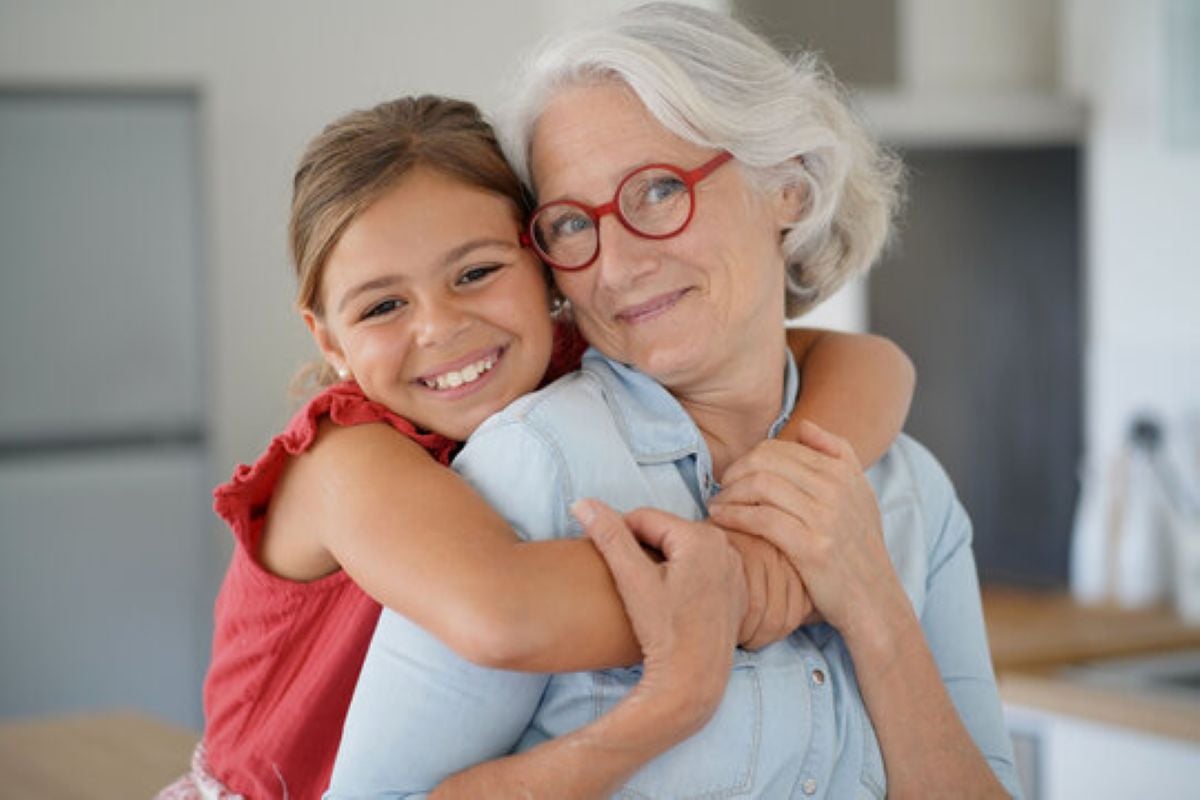

Picture two grandmothers. Both live about 20 minutes from their grandkids. Both love those kids more than anything.
The first one gets random FaceTime calls just because. Her grandson texts her when he scores a goal. Her granddaughter asks, “Can Grandma come to my recital?”
The second one sees the kids on holidays and birthdays. She gets a quick hug at the door, a “thanks for the present,” and not much else.
So what’s the difference? It isn’t love. They both have plenty of that. It isn’t money, either, or being the “fun” grandma with the pool and the candy drawer.
The difference is habits. Small things these grandparents do, or don’t do, week after week. A lot of it comes down to how they get along with the people in the middle: their grandkids’ parents.
The good news is that none of this is out of reach. You don’t have to live next door or spend a dime. You just have to be willing to try a few things a little differently.
Here are seven things the close grandparents tend to do that the others don’t.
1. They Treat the Parents as the Gatekeepers and Act Like It
This one might sting a little, but it’s the most important thing on the list. How close you get to your grandkids depends a lot on how well you get along with their parents.
Think about it. When the kids are young, Mom and Dad decide who babysits, who gets invited over and how often you’re in the picture. If they trust you and like having you around, you’ll see those kids a lot. If they feel stressed or judged after every visit, you’ll see them less, even if nobody ever says why.
Grandparents who stay close get this. So they play by the parents’ rules, even the ones they think are silly. If Mom says no screens before bed, the tablet goes away. If Dad says no soda, there’s no soda, even at Grandpa’s house. Car seat rules, nap times and “no dessert until you eat your veggies” all get followed.
They also check first. Before they plan a big outing, buy a pricey gift or post a cute photo on Facebook, they ask. It takes 10 seconds and shows the parents you respect them.
And here’s one a lot of people miss: close grandparents work on their relationship with their son-in-law or daughter-in-law, not just their own kid. That in-law parent often has just as much say, and sometimes more. A little extra kindness there goes a long way. Ask about their day. Remember their birthday. Thank them for bringing the kids over.
Now, the grandparents who struggle often mean well. They slip the kids a cookie and whisper, “Don’t tell your mom.” They let bedtime slide because “it’s Grandma’s house.” It feels harmless, even sweet. But to the parents, it can feel like you’re working against them, and they notice.
Here’s a simple way to think about it: every time you respect the parents’ rules, you’re earning more time with the kids.
2. They Keep Their Advice to Themselves Unless Someone Asks
You raised kids. You know a thing or two. So when you see your son letting the baby cry for a few minutes, or your daughter skipping the bath three nights in a row, it’s hard not to say something.
But unasked-for advice is one of the quickest ways to get pushed to the edges of your grandkids’ lives. Nobody slams the door. The visits just get a little shorter and a little less frequent.
Close grandparents understand that a lot has changed since they were raising kids. Babies now sleep on their backs in empty cribs. Car seats face backward much longer. Lots of parents handle tantrums and time-outs differently than we did. Instead of rolling their eyes, close grandparents get curious. “Huh, why do they do it that way now?” That one question can teach you something and make the parents feel respected at the same time.
They also offer help instead of opinions. Think about how differently these two lines land:
“You’re holding her wrong.”
“Want me to take her for a bit so you can nap?”
The first one makes a tired parent feel judged. The second makes them feel loved. And guess which grandparent gets asked to babysit?
Now, sometimes you’ll have a real worry, something bigger than how many snacks the kids get. Close grandparents bring it up once, in private, calmly. Then they let it go. They don’t bring it up again at Thanksgiving in front of everyone.
The grandparents who struggle tend to do the opposite. They point out mistakes. They compare: “You never acted like that when you were little.” They keep circling back to things the parents already decided. Each comment might seem small, but they add up fast.
Before you speak up, try asking yourself three quick questions:
- Is the child safe?
- Is what I’m about to say kind?
- Did anyone ask me?
If the kids are safe and nobody asked, it’s usually best to zip it and smile.
3. They Show Up Consistently, Not Just on Holidays
It’s easy to think the big moments matter most, like the huge Christmas pile of gifts, the birthday party or the week at the beach. Those are fun. But that’s not usually how kids get close to someone.
Kids bond through the small, regular stuff. The same thing, again and again, until it feels like part of their life.
That’s why close grandparents keep a steady rhythm. Maybe it’s a phone call every Sunday night. Maybe it’s lunch together once a month. Maybe it’s picking the kids up from school every Thursday. It doesn’t have to be big. It just has to keep happening.
They also show up for the ordinary things. The Tuesday night soccer game in the rain. The school band concert where half the kids are off-key. Even a boring errand, like driving a grandkid to the dentist, can turn into good one-on-one time in the car.
And here’s the big one: they do what they say they’ll do. If they promise to call on Friday, they call on Friday. If they say they’re coming to the game, they’re in the bleachers. Kids notice who keeps their word. Parents notice too.
The grandparents who drift apart often go all-out on holidays and birthdays, then mostly disappear in between. The kids like the presents, but they don’t really know that grandparent. It’s hard to feel close to someone you only see three times a year.
Live far away? You can still show up. Here are a few easy ways to stay part of the routine:
- Set a weekly video call, and keep it on the same day and time so the kids look forward to it.
- Send real mail. Kids almost never get letters, so a postcard or note with their name on it feels like a big deal.
- Read bedtime stories over FaceTime. Get a copy of the same book so you can read along together.
- Play a game online together. Many simple games let you play from different states, and kids love beating Grandpa.
It’s not about being there all the time. It’s about being there often enough that you become part of their normal life.
4. They Meet Grandkids on the Kids’ Turf
When we were young, maybe Grandma taught us to knit or Grandpa took us fishing. We did what they liked, and that was that.
These days, the grandparents who get close usually flip that around. Instead of waiting for the kids to get excited about their hobbies, they get curious about the kids’ interests.
So if your granddaughter is obsessed with Taylor Swift, learn a few song names. If your grandson won’t stop talking about dinosaurs, ask him which one is the biggest. If one grandkid plays travel ball and another is into anime, ask questions and really listen to the answers. You don’t have to love it. You just have to care that they love it.
Close grandparents also learn the tech the kids use. That might mean texting instead of calling, since a lot of kids would rather text. It might mean sending a funny photo or a thumbs-up emoji. It might even mean learning a video game. It feels awkward at first, but kids are usually thrilled to teach you. They love being the expert for once.
Take a grandpa I’ll call Frank. His 10-year-old grandson was always glued to Mario Kart, and Frank used to grumble about it. Then one day he asked to play. He lost badly, over and over. But he kept coming back. Now they have a standing Wednesday night race, and his grandson calls him to set it up. That game gave them something that belongs just to them.
Close grandparents also change their approach as the kids grow. A 5-year-old might love a trip to the park and a push on the swings. A 15-year-old probably wants a ride to the mall, a text about their game or help learning to drive. What worked last year might not work this year, and that’s okay.
The grandparents who have a harder time often brush off the kids’ interests. “That video game junk will rot your brain.” “I don’t get this music you listen to.” Or they only offer activities they enjoy and wonder why the kids seem bored. Kids pick up on that fast, and they stop sharing.
If you want a way in, start with their world. Ask, “What are you into right now?” Then follow where they lead.
Love Being a Grandma?

Join 29,000+ grandmas who wake up to a cheerful, uplifting email made just for you. It’s full of heart, sprinkled with fun, and always free. Start your mornings with a smile—sign up below! ❤️
5. They Create One-on-One Time and Rituals That Belong Only to Them
Big family get-togethers are wonderful. There’s food, noise, cousins running around and way too many conversations going at once. But that’s exactly the problem. It’s hard to really connect with any one kid in the middle of all that.
Real closeness usually happens one-on-one. When it’s just you and one grandchild, they talk more, share more and feel like they matter.
That’s why close grandparents make time for each grandkid on their own. Maybe it’s a “Grandma day” once a month. Maybe it’s pancakes at the diner every other Saturday. Maybe it’s a fishing trip, a walk to get ice cream or even just a ride to practice without the siblings along.
They also build little traditions that belong only to them. A special nickname nobody else uses. A yearly trip to the county fair. A cookie recipe they always make together. These things seem small, but kids hold onto them for life. Ask any grown-up about their grandparents, and they’ll often tell you about something like this.
Most of all, close grandparents make each kid feel like a person, not just “one of the grandkids.” They remember that Emma hates tomatoes, that Jake is nervous about his science test and that Sophie wants to be a vet someday. That kind of attention makes a kid feel seen.
The grandparents who struggle to connect often only see the kids at crowded holidays and birthday parties. They get a hug, maybe a quick “How’s school?” and that’s about it. It’s hard to build a real bond that way.
Need some ideas to get started? Here are a few:
- Bake a family recipe together, and tell the story of who first made it.
- Plan a yearly trip, like the zoo, a ballgame or a favorite state park.
- Pass a journal back and forth where you each write notes, questions or drawings.
- Teach a skill you know, such as fishing, sewing, woodworking, gardening or card games.
Pick one grandkid, pick one idea and put it on the calendar. That’s how traditions start.
6. They Share Their Stories and Listen to the Kids’ Stories Too
You’re the family’s living history book. You remember things nobody else does, like where the family came from, what life was like before cell phones and what Mom was like when she was 8.
Kids really want to know this stuff, even if they don’t always act like it. Researchers at Emory University found that kids who know more about their family’s story, such as where their grandparents grew up and the hard times the family got through, tend to feel more confident and handle tough times better. Knowing they come from people who made it through hard things helps kids believe they can too.
Close grandparents pass those stories along. They talk about their own childhood, including the goofy parts and the mistakes. Kids love hearing that Grandma once got sent to the principal’s office or that Grandpa crashed his first car into a mailbox. It makes you real, not just “old.”
They also tell stories about the kids’ parents. “Your dad once tried to cut his own hair the night before school pictures.” Trust me, those stories are gold. Kids can’t get enough of them. (Just keep them light and don’t embarrass anyone too much.)
Close grandparents share family roots too. They pull out old photo albums. They cook the dishes their own parents made. They talk about the town they grew up in, what their parents did for work or how the family first came to America. These things help kids feel like they belong to something bigger.
But here’s the part that’s easy to forget: it goes both ways. Close grandparents listen at least as much as they talk. They ask real questions, not just “How’s school?” but “What was the best part of your week?” or “Who’s your funniest friend?” And then they remember the answers. Next time, they ask, “Did you make up with Maddie?” Kids notice when you remember.
The grandparents who struggle here tend to either keep their stories to themselves or turn every chat into a lecture. “When I was your age, I walked two miles to school.” “Kids today have it so easy.” Kids tune that out quickly. A story is something you share. A lecture is something you give. Kids can feel the difference.
Read Also: 10 Questions Grandkids Actually Like Answering to Replace “How’s School?”
7. They Don’t Keep Score, and They Repair Quickly
Every family has bumps. Someone says the wrong thing. Plans fall through. Feelings get hurt. That’s normal. What matters is what happens after.
Grandparents who stay close don’t keep score. They don’t count how many holidays the family spent with the other grandparents. They don’t say things like, “Well, you went to her parents’ for Thanksgiving, so we get Christmas.” Sure, it can sting. But treating family time like a contest usually leads to fewer visits, not more.
They also skip the guilt trips. No “I guess we’ll just sit here alone,” and no “It must be nice to be so busy.” Guilt might get people to show up once, but it doesn’t make them want to come back. Close grandparents make their home feel easy and warm, a place people look forward to.
When they mess up, and everybody does, they say sorry. A real sorry. Not “I’m sorry, but…” and not “I’m sorry you feel that way.” Just “I’m sorry. I shouldn’t have said that.” That’s it. Those few words can fix a lot.
Close grandparents also give older grandkids room to grow. Teens get busy with friends, sports, jobs and phones. They might not want to spend every Sunday at Grandma’s anymore. That’s not rejection. It’s just growing up. Grandparents who don’t take it personally and keep the door open usually find that those teens come back around, often closer than ever.
The grandparents who drift away often do the opposite. They sulk. They compete with the other grandparents over gifts or time. They hold onto old fights for years. Or they need to be “right,” even if it costs them the relationship.
Holding onto being right can feel good for a little while. Holding onto your grandkids feels good for a lot longer.
The Bottom Line
Remember those two grandmothers from the start? Same love. Same drive to the grandkids’ house. Totally different relationships.
Now you know why. It wasn’t luck, money or who had the better cookie jar. It was the little things they did, over and over, for years.
When you boil it all down, close grandparents do three simple things. They stay humble, which means they respect the parents and keep advice to themselves. They keep showing up, in big ways and small ones. And they stay curious about the kids, their world and what makes each one tick.
The best part? It’s never too late to start. Your grandkids don’t need you to be perfect. They just need you to keep trying.
So pick one thing from this list and do it this week. Call on a random Tuesday. Mail a postcard. Ask your grandkid a question you’ve never asked before, and really listen to the answer.
Small steps add up faster than you’d think.
Now we’d love to hear from you: What’s a special tradition you share with your grandkids? Tell us in the comments. Your idea might be exactly what another grandparent needs.
Read Also: 6 Things Grandparents Do That Make Grandkids Remember Visits as an Obligation, Not a Joy
Love Being a Grandma?
Join 29,000+ grandmas who wake up to a cheerful, uplifting email made just for you. It’s full of heart, sprinkled with fun, and always free. Start your mornings with a smile—sign up below! ❤️