
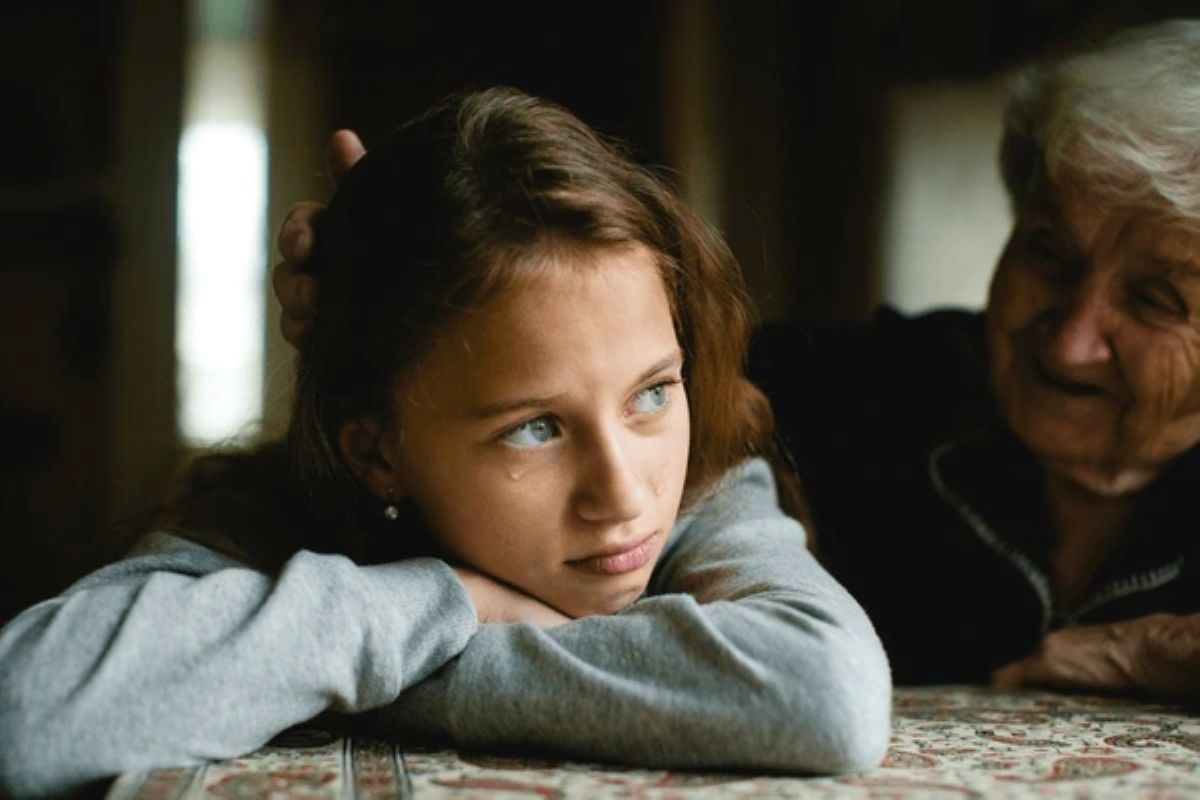

Respect from a grandchild is not something we automatically receive just because we are older. It is something that grows through everyday moments — the way we speak to them, listen to them, encourage them, and make them feel when they are around us.
Most grandparents have good intentions. They want to guide, protect, and help their grandchildren become good people. But sometimes, without realizing it, we can say or do things that make them feel judged, controlled, or not fully accepted.
The beautiful thing is, it is never too late to soften the way we show love. A small change in tone, a little more patience, or one sincere apology can make a grandchild feel safe again. This article is not about blaming grandparents. It is about protecting one of the most precious relationships we will ever have.
1. Constantly Criticizing Their Choices
It may seem harmless to comment on your grandchild’s clothes, hairstyle, hobbies, music, or friends. You might even think you are helping. But when every little choice gets corrected, they may start feeling like they cannot be themselves around you.
Over time, constant criticism can make a grandchild pull back. They may stop showing you what they love because they already expect a negative reaction. And once they feel judged, it becomes harder for them to open up.
A better approach is to lead with curiosity. Instead of saying, “Why would you wear that?” try, “What do you like about that style?” You do not have to understand every trend. You do not even have to agree with every choice. But showing interest tells them, “I respect you as your own person.”
2. Comparing Them to Their Siblings or Cousins
Comparisons can sting more than we realize. Saying, “Your sister was never like this,” or “Your cousin is so responsible,” may sound like motivation, but to a grandchild, it can feel like rejection.
Every child wants to feel special in their grandparent’s eyes. When they are compared to someone else, they may start believing they are always coming up short. Even worse, it can create quiet resentment between siblings or cousins.
The better way is to notice what makes each grandchild unique. One may be outgoing, another thoughtful. One may be great at school, another may have a kind heart or creative mind. Respect grows when they feel seen for who they are, not measured against someone else. Try saying, “I love the way you think,” or “You have such a good heart.”
3. Dismissing Their Feelings
Sometimes a grandchild’s problem may look small from where we stand. A friendship drama, a bad grade, a missed invitation, or a stressful school project might not seem like the end of the world to us. But to them, it can feel heavy and real.
When we say things like, “That’s not a big deal,” or “You’re too young to worry,” we may be trying to comfort them. But what they often hear is, “My feelings don’t matter.” And when children feel dismissed, they stop sharing.
A better response is to meet them where they are. Try saying, “I can see why that upset you,” or “Tell me what happened.” You do not have to fix everything. Sometimes, just listening calmly is what makes them feel safe, respected, and loved.
4. Breaking Promises
Grandchildren remember promises. If you say you will call, come to their game, keep their secret, or spend time with them, it matters. To adults, a forgotten promise may feel like a small mistake. To a child, it can feel like they were not important enough to remember.
Of course, life happens. Plans change. People get tired, busy, or overwhelmed. But when broken promises become a pattern, trust can quietly weaken. A grandchild may stop getting excited because they are afraid of being disappointed again.
The best way to avoid this is simple: promise less, follow through more. Only say yes when you truly can. And when you cannot, be honest. A sincere “I’m sorry I let you down” can repair more than excuses ever will.
5. Trying to Control Everything
It is natural to want the best for your grandchild. You may see their mistakes before they do. You may want to protect them from bad choices, heartbreak, or regret. That comes from love. But when love turns into constant control, grandchildren can start feeling trapped.
If every decision becomes a correction — what they wear, eat, study, believe, or dream about — they may feel like you do not trust them. And when they feel controlled, they may begin hiding things instead of opening up.
A healthier approach is to guide without gripping too tightly. Ask, “Would you like my advice?” before jumping in. Share your wisdom gently, then give them room to think. Respect grows when they feel you are beside them, not standing over them.
Read Also: 7 Ways on How to Empower Your Grandson to Grow Into a Good, Kind-Hearted Man
6. Talking Badly About Their Parents
Even if you have real frustrations with your adult child or their partner, your grandchild should not have to carry that weight. When they hear you criticize their mom or dad, it can make them feel torn. They may love you deeply, but they also love their parents.
Sometimes grandparents do this without meaning harm. Maybe you are hurt, disappointed, or simply need to vent. But to a grandchild, it can feel like they are being asked to choose sides.
A better way is to protect their peace. Keep adult problems between adults. If your grandchild brings something up, listen gently without attacking anyone. You can say, “I’m sorry that feels hard,” instead of, “Well, your mother always does that.” Respect grows when they know you are a safe place, not another source of family tension.
7. Refusing to Apologize
Some grandparents grew up believing adults should never have to apologize to children. But the truth is, a sincere apology does not lower your authority. It raises your character in their eyes.
Grandchildren notice when we are too proud to admit we were wrong. If we snap, overreact, embarrass them, or misunderstand them, then act like nothing happened, it can make them feel small. Over time, they may respect us less because they feel we care more about being right than being loving.
A simple apology can heal a lot. You do not need a long speech. Just say, “I’m sorry, sweetheart. I shouldn’t have said it that way.” That one sentence teaches them humility, kindness, and accountability. Even better, it shows them love is more important than pride.
Love Being a Grandma?

Join 29,000+ grandmas who wake up to a cheerful, uplifting email made just for you. It’s full of heart, sprinkled with fun, and always free. Start your mornings with a smile—sign up below! ❤️
8. Embarrassing Them in Front of Others
What feels like harmless teasing to a grandparent can feel painfully embarrassing to a grandchild. Joking about their body, grades, crushes, mistakes, mood, or awkward moments may get a laugh from adults, but it can leave the child feeling exposed.
Children and teens are often more sensitive than they let on. They may smile on the outside while feeling hurt on the inside. And once they feel embarrassed around you, they may become more guarded.
The kindest thing you can do is protect their dignity. If something is personal, do not bring it up in front of others. If you need to correct them, do it privately and gently. A grandchild respects a grandparent who makes them feel safe, not one who uses their vulnerable moments as entertainment.
Read Also: Reflecting on My Role as a Grandmother: Are These Toxic Traits Hurting My Family?
9. Ignoring Their Boundaries
It can be hard when a grandchild pulls away from hugs, gives short answers, or wants more privacy. You may think, “But I’m their grandparent. I’ve known them since they were tiny.” Still, as they grow, their need for personal space grows too.
Forcing hugs, asking too many private questions, or pushing them to share before they are ready can make them feel uncomfortable. They may not say it directly, but they may start avoiding situations where they feel pressured.
The better way is to show them that love does not have to be forced. Ask, “Can I give you a hug?” or “Do you want to talk about it, or would you rather just sit together?” Respecting their boundaries teaches them that your love is safe. And often, when they feel less pressured, they come closer on their own.
10. Acting Like Their Interests Are Silly
Your grandchild may love things that make no sense to you — video games, makeup tutorials, anime, sports stats, fashion trends, or social media. It is easy to say, “Why do you waste time on that?” But those little comments can make them feel judged.
To them, their interests are not silly. They are part of how they relax, express themselves, and connect with friends. When you dismiss what they enjoy, they may feel like you are dismissing a part of them too.
You do not have to become an expert. You just have to show gentle interest. Ask, “What do you like about it?” or “Can you show me how it works?” A grandchild feels respected when their grandparent cares enough to listen, even when the topic is unfamiliar.
11. Always Turning Conversations Into Lectures
Grandparents have so much wisdom to share, and most of it comes from love. But if every conversation becomes a lesson, warning, correction, or “back in my day” speech, a grandchild may stop opening up.
Sometimes they are not looking for advice. They just want someone to hear them. If they share a problem and immediately receive a lecture, they may feel judged instead of supported. Over time, they may decide it is easier to say nothing.
A better habit is to listen first. Let them finish before responding. You can ask, “Do you want advice, or do you just need me to listen?” That simple question can change everything. It tells them you respect their voice. And when they feel heard, they are much more likely to value your guidance.
Read Also: 8 Things You Can Do as a Mom But Should Never Do as a Grandmother
12. Playing Favorites
Grandchildren notice more than we think. They notice who gets the biggest hug, who gets praised the most, who receives extra gifts, and who seems to get more patience when they make mistakes. Even if you do not mean to play favorites, one grandchild may quietly feel less loved.
This can hurt deeply because every grandchild wants to feel special to you. They do not need everything to be exactly equal, but they do need to feel equally valued.
A good way to avoid this is to be intentional. Spend one-on-one time with each grandchild when you can. Praise different strengths. One may be funny, another thoughtful, another creative, another helpful. Make sure each one hears, in their own way, “You matter to me.” Fair does not always mean identical, but love should never feel one-sided.
13. Using Guilt to Get Attention
It is completely normal to miss your grandchild. You may wish they called more, visited more, or showed more interest. But using guilt can make them feel pressured instead of loved.
Saying things like, “I guess you forgot about me,” or “You never come see me anymore,” may come from hurt feelings. But to a grandchild, it can sound like your happiness is their responsibility. Over time, they may avoid reaching out because they do not want to feel bad.
A softer approach works much better. Try saying, “I miss you. I’d love to spend time with you soon.” That is honest without being heavy. It lets them know they are wanted, not blamed. Love feels warmer when it comes as an invitation, not an emotional debt.
14. Refusing to Learn or Change
Many grandparents grew up in a very different world. So it is understandable if some things today feel confusing, uncomfortable, or unnecessary. But when a grandparent says, “This is just how I am,” it can make a grandchild feel like their feelings do not matter.
Respect grows when grandchildren see that you are still willing to learn. You do not have to change your whole personality. Sometimes, it is as simple as listening before reacting, learning a new word, respecting a boundary, or admitting, “I did not understand that before.”
Being willing to grow does not erase your wisdom. It actually makes your wisdom easier to receive. Grandchildren respect grandparents who stay humble, curious, and open-hearted. Even small efforts can tell them, “You matter enough for me to try.”
15. Making Love Feel Conditional
A grandchild should never feel like they have to earn your love by behaving perfectly, getting good grades, agreeing with you, calling often, or visiting enough. Of course, you can have expectations. But love should never feel like a reward that disappears when they disappoint you.
When love feels conditional, a grandchild may start hiding their mistakes or pulling away when life gets messy. They may think, “Grandma only loves me when I make her proud.” That is a heavy feeling for any child to carry.
The best gift you can give them is steady love. Let them know, “I may not agree with every choice, but I will always love you.” That kind of love gives them a safe place to return to. And often, it makes them respect you even more.
Conclusion
Grandchildren do not need perfect grandparents. They need grandparents who are loving, humble, patient, and willing to listen. They need someone who makes them feel safe, not judged. Someone who can guide them without controlling them.
The truth is, respect is built in the small moments. It grows when you apologize after snapping. It grows when you listen instead of lecture. It grows when you protect their feelings, honor their boundaries, and remind them they are deeply loved.
And the beautiful thing is, it is never too late to strengthen that bond. One softer response, one honest apology, one warm conversation can begin to change everything. Your grandchild may not remember every word you say, but they will remember how peaceful, accepted, and loved they felt around you.
Read Also: 10 Reasons Your Grandkids Are Always Eager to Leave Whenever They Come Visit
Love Being a Grandma?
Join 29,000+ grandmas who wake up to a cheerful, uplifting email made just for you. It’s full of heart, sprinkled with fun, and always free. Start your mornings with a smile—sign up below! ❤️