
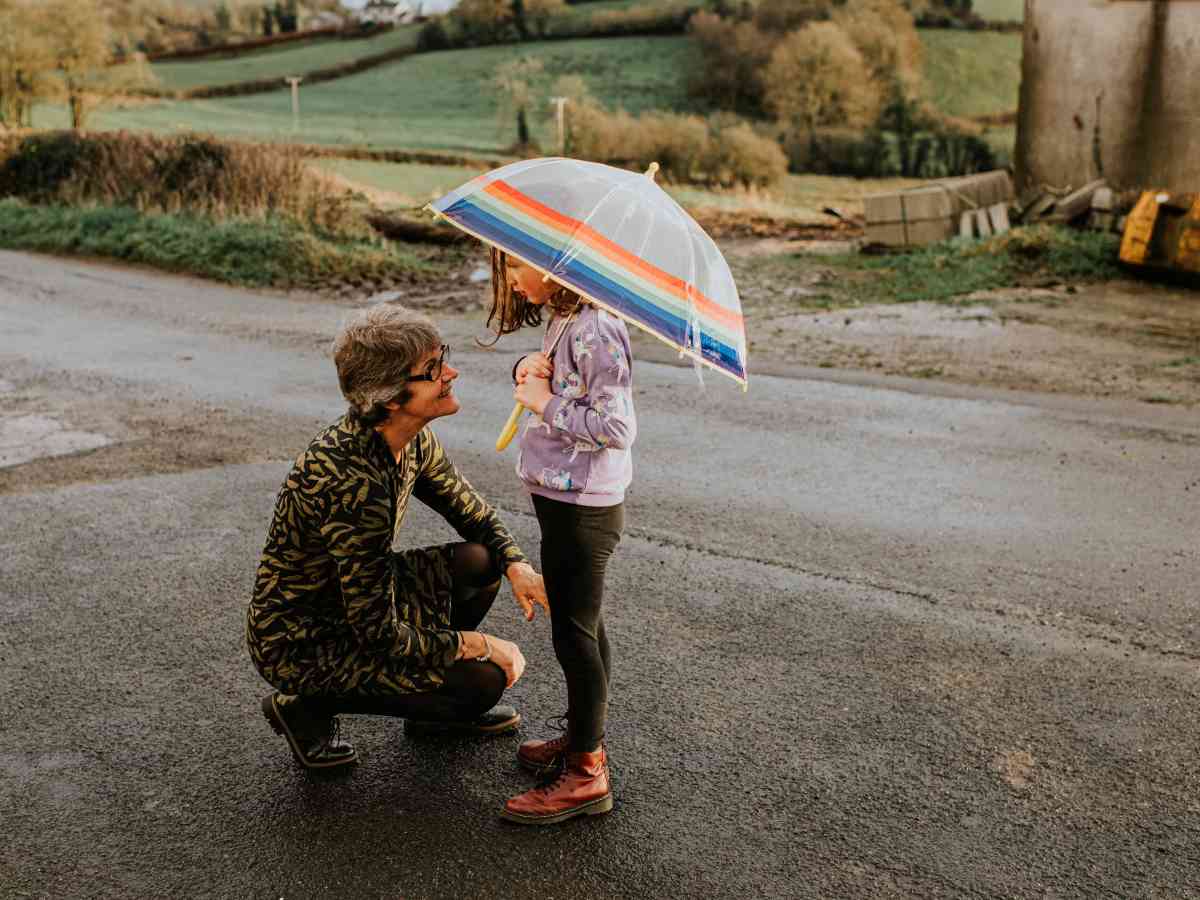

You can always tell when a child feels deeply understood. They don’t just hear words—they feel safe enough to share them. They open up in little ways at first, then in bigger ones. And suddenly, you notice something special… they handle their emotions with a kind of quiet confidence that feels rare these days.
And more often than not, there’s a grandmother somewhere in that story. Not doing anything flashy. Not following a perfect plan. Just showing up in small, steady ways that tell a child, you’re safe here, just as you are.
1. They Let Their Grandchild Finish Their Thoughts
Sometimes their stories wander. Sometimes they pause mid-sentence or repeat themselves. And yes, sometimes it takes a little patience to stay with them. But grandmas who truly listen don’t rush to finish the sentence or “get to the point.” They let the child take their time, even if it’s messy.
Because in those moments, something deeper is happening. The child is learning that their thoughts are worth hearing all the way through. That they don’t have to hurry to be understood. And over time, that quiet patience builds confidence—the kind that helps them speak up in the world without second-guessing themselves.
2. They Apologize When They Get It Wrong
It might be a small thing—raising their voice, misunderstanding something, or reacting too quickly. But instead of brushing it off, they pause and say, “I’m sorry.” No excuses. No pride getting in the way. Just honesty.
And that simple moment teaches something powerful. It shows children that even the people they look up to make mistakes—and that’s okay. It also teaches them how to take responsibility without shame. When a grandma models this kind of humility, she gives her grandchild permission to be imperfect… and still feel deeply loved.
3. They Name Feelings Out Loud
Instead of brushing things off or changing the subject, they gently put words to what a child might be feeling. “That looked frustrating,” or “Are you feeling a little left out?” It’s never forced or overwhelming—just a soft way of helping the child make sense of what’s going on inside.
And over time, something beautiful happens. The child starts to recognize their own emotions without fear or confusion. They learn that feelings aren’t something to hide or ignore—they’re something to understand. That simple habit gives them a lifelong skill: being able to say, “This is what I’m feeling,” instead of acting it out.
4. They Don’t Try to Fix Every Problem
It’s so tempting to jump in and make things better right away. To offer advice, solutions, or distractions. But emotionally wise grandmas know that not every problem needs to be fixed on the spot. Sometimes, what a child really needs is someone to sit beside them and simply be there.
So they listen. They nod. They let the feeling exist without rushing it away. And in that quiet space, the child learns something powerful—they can handle hard emotions without falling apart. They don’t need to be rescued every time. That’s where real emotional strength begins to grow.
Read Also: Teen Psychologists Reveal 5 Ways to Communicate Effectively With Your Teenage Grandchildren
5. They Tell Stories About Their Own Struggles
It’s easy to share the happy memories—the holidays, the laughter, the “good old days.” But the grandmas who truly connect go a step deeper. They talk about the times they felt scared, unsure, or even heartbroken. They let their grandchild see that life hasn’t always been easy.
And instead of making them feel worried, it does the opposite. It makes them feel less alone. They realize that big feelings aren’t something strange or wrong—they’re part of being human. When grandma says, “I’ve felt that way too,” it creates a quiet bond that tells the child, you’re going to be okay.
6. They Respect “No” (Even When It’s Inconvenient)
It might be a small moment—a child pulls away from a hug or says they don’t want to play right now. It can sting a little. But instead of pushing or saying, “Oh come on,” they pause and respect it. Even when it’s inconvenient. Even when they were looking forward to that moment.
And what that teaches is so powerful. The child learns their voice matters. That they’re allowed to have boundaries, even with people who love them. Over time, that builds a quiet confidence—the kind that helps them say “no” in bigger, more important situations later in life.
7. They Give Undivided Attention in Small Moments
It’s not about being present every second of the day. No one can do that. But emotionally wise grandmas know how to pause and really see their grandchild in small, ordinary moments—putting the phone down, making eye contact, listening fully.
Those little pockets of attention add up more than we realize. To a child, it feels like, I matter enough for you to stop everything for a minute. And years later, they won’t remember every toy or treat—but they’ll remember how it felt when grandma truly paid attention to them.
8. They Don’t Shame Big Emotions
When a child cries hard or gets overwhelmed, it’s easy to say things like “You’re okay” or “That’s not a big deal.” But instead, they stay calm and let the feeling be what it is. No minimizing. No shaming. Just quiet understanding.
And that creates something incredibly safe. The child learns that their emotions aren’t something to hide or be embarrassed about. They’re allowed to feel deeply without being “too much.” And when kids grow up with that kind of acceptance, they don’t run from their feelings—they learn how to face them.
9. They Ask Gentle, Open-Ended Questions
It’s not a rapid-fire list of questions or anything that feels like pressure. It’s soft, simple curiosity. “What made you feel that way?” or “What was your favorite part?” The kind of questions that don’t have a right or wrong answer—just space to share.
And in that space, children begin to open up in their own time. They learn how to reflect, how to put their thoughts into words, and how to trust that someone genuinely wants to understand them. Those small conversations slowly shape a child into someone who knows how to express what’s inside.
Read Also: These 67 Open-Ended Questions Are the Golden Keys to Your Grandchild’s Heart
10. They Let Kids See Them Be Kind to Others
It’s not something they sit down and teach—it’s something they live out. A warm smile to a stranger. A kind word to a neighbor. Patience with a server who made a mistake. Kids are always watching, even when we think they aren’t.
And they remember those moments more than we realize. They begin to copy that same kindness in their own way—with friends, siblings, and even strangers. Without saying a word, grandma shows them what it looks like to treat people with respect, warmth, and a little extra grace.
Read Also: The Most Compassionate Grandkids Have Grandmas Who Do These 14 Unexpected Things
11. They Celebrate Effort, Not Just Outcomes
It’s easy to praise the big wins—the good grades, the trophies, the finished results. But emotionally wise grandmas notice something deeper. They say things like, “I saw how hard you worked on that,” or “You didn’t give up, and that matters.”
That shift changes everything. The child learns that their worth isn’t tied to being perfect or successful every time. What matters is trying, growing, and showing up. And over time, that builds a kind of confidence that doesn’t fall apart when things don’t go perfectly.
12. They Make Their Grandchild Feel Emotionally Safe, No Matter What
This is the one that ties everything together. No matter what the child says, feels, or even messes up… they know grandma isn’t going to pull away. There’s no fear of being judged, dismissed, or loved any less. It’s a quiet kind of safety that doesn’t need to be announced—it’s just felt.
And that kind of safety changes a child. It gives them the courage to be honest, to open up, and to trust their own emotions instead of hiding them. When a child knows there’s at least one person who fully accepts them, it becomes a foundation they carry into every relationship in their life.
Final Thoughts
Emotionally intelligent children aren’t shaped by perfect words or big, dramatic moments. They’re shaped in the everyday—the pauses, the patience, the way someone chooses to respond when it would be easier not to. It’s the small things, done with love, that leave the biggest mark.
And more often than not, that steady, quiet influence comes from a grandmother. So if you’ve ever listened a little longer, softened your voice, or simply made your grandchild feel safe being themselves… you’re already doing something incredibly meaningful. The kind of impact that lasts a lifetime. ❤️
Read Also: 7 Grandparenting Mistakes That Impact Grandchildren For Life, According to Psychology
Love Being a Grandma?

Join 19,570+ grandmas who wake up to a cheerful, uplifting email made just for you. It’s full of heart, sprinkled with fun, and always free. Start your mornings with a smile—sign up below! ❤️