
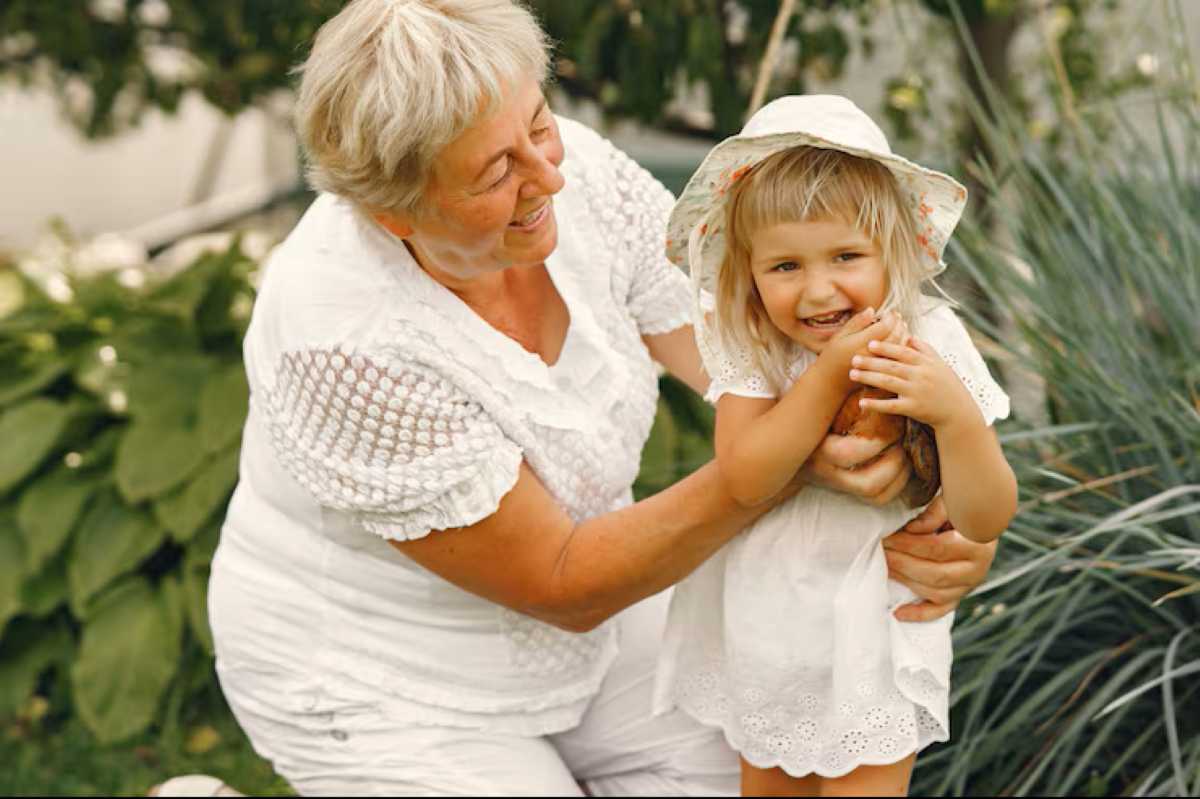
There’s something quietly magical about the bond between a grandparent and a grandchild.
It’s different from the relationship children have with their parents. It’s softer. Slower. Often filled with little moments of patience, laughter, and unconditional love.
And here’s the surprising part: the moments that shape this bond the most are rarely the big ones.
It’s not the expensive toys, the big holiday gifts, or the elaborate outings that children remember most. Psychologists say the deepest emotional connections are usually built through small, everyday interactions—tiny moments where a child feels seen, heard, and valued.
A few minutes of focused attention.
A shared laugh at the kitchen table.
A simple conversation that tells a child, “You matter to me.”
These small gestures may seem ordinary at the time, but to a child they become powerful emotional anchors. They create a sense of safety and belonging that children carry with them as they grow.
In fact, many adults can still remember simple moments with their grandparents from decades ago—the way grandma listened to their stories, the special traditions they shared, or the way they were made to feel important.
The truth is, strengthening your bond with your grandchild doesn’t require anything complicated.
Often, it’s the little things you do consistently that make the biggest difference.
Here are five small but powerful habits that psychologists say can deepen your connection with your grandchildren in ways that last a lifetime.
1. Give Them Your Full Attention (Even If It’s Only for a Few Minutes)
In today’s busy world, attention has quietly become one of the most valuable gifts you can give a child.
Psychologists use a term called “attunement.” It simply means being fully present with someone—paying attention not just to their words, but to their feelings, expressions, and excitement.
When a child experiences this kind of attention, something powerful happens. They feel important. They feel safe. And most importantly, they feel loved.
The good news is that this doesn’t require hours of your time. In fact, short moments of genuine attention often mean more to a child than long stretches where an adult is distracted.
Think about how it feels when a child runs up to show you something they’re proud of.
Maybe it’s a drawing they made.
Maybe it’s a funny story about something that happened at school.
Maybe they just learned a new trick or figured something out.
In that moment, the most meaningful thing you can do is pause what you’re doing, look them in the eye, and truly listen.
Put down the phone.
Turn your body toward them.
Let them see that for those few minutes, they have your full focus.
You might say something like:
“Wow, tell me about this part.”
“What happened next?”
“That’s really interesting—how did you figure that out?”
These little responses show a child that their thoughts and experiences matter.
And children notice this more than we realize.
A grandchild might not remember the exact conversation years from now. But they will remember the feeling of sitting with grandma and knowing they had her full attention.
Those moments build trust. They strengthen emotional security. And over time, they create the kind of bond where a grandchild naturally wants to share their world with you.
Sometimes the most powerful connection happens in just a few minutes of truly being present.
2. Create Small Rituals Only You Share

Children thrive on little traditions.
Psychologists often say that rituals act like emotional anchors. They give children a sense of stability and predictability in a world that can sometimes feel confusing or fast-moving. When kids know certain moments always happen with grandma, those moments start to feel special—almost sacred in their little world.
And the beautiful thing is that these rituals don’t have to be complicated.
In fact, the simpler they are, the better.
Maybe it’s Saturday morning pancakes at grandma’s house, where your grandchild gets to sprinkle the chocolate chips or stir the batter. Maybe it’s a special bedtime phrase you always say when they stay over. Or a secret handshake the two of you share every time you see each other.
Children love these small, predictable moments.
They look forward to them.
They remember them.
And over time, they begin to associate those traditions with the feeling of being loved and safe.
One grandmother once shared that every time her grandson visited, they had a ritual called “two cookies and a story.” They would sit at the kitchen table, eat two cookies together, and she would tell him a story from when she was little. It didn’t matter how busy the day was—those ten minutes always happened.
Years later, that grandson said those were some of his favorite memories growing up.
That’s the quiet power of rituals.
They may feel small in the moment. But for a child, they become markers of love. They create memories that stick.
And one day, when your grandchild is grown, they may still remember those little traditions and smile.
Because sometimes the moments that seem ordinary to us become extraordinary in a child’s memory.
3. Let Them Teach You Something

Most adults spend a lot of time teaching children.
We show them how to tie their shoes.
How to read.
How to behave.
How to navigate the world.
But every once in a while, something special happens when you let the roles reverse.
When you invite your grandchild to teach you something.
Psychologists say children develop confidence when they feel capable and knowledgeable. When a child gets the chance to explain something they know, it gives them a sense of pride and competence.
And it also strengthens your connection.
Think about it from their perspective. When grandma says, “Can you show me how to play that game?” or “Will you teach me how that works?” the message they hear is powerful:
Grandma values what I know.
Maybe they teach you how to play their favorite video game.
Maybe they show you a new app on a phone or tablet.
Maybe they explain a hobby they’re excited about.
You might even pretend to struggle a little just so they can step in and guide you.
“Wait… how do I do that again?”
“Oh, I see! You’re really good at this.”
Suddenly, your grandchild becomes the expert—and they absolutely light up.
These moments do more than build confidence. They also show children that learning goes both ways. That even grown-ups stay curious.
And when kids feel respected like that, they naturally feel closer to you.
So the next time you’re with your grandchild, try asking a simple question:
“Can you teach me how to do that?”
You might be surprised how excited they are to show you. And you may end up learning more than just a new game or gadget.
You’ll be strengthening the bond between you in the process.
Read Also: 10 Simple Ways to Use Technology to Bond with Your Grandkids
4. Use Their Name and Speak Words of Affirmation
Few things are as powerful to a child as hearing their name spoken with warmth.
It might seem like a small detail, but psychologists say that a child’s name carries deep emotional weight. When you use their name while offering encouragement or praise, it helps reinforce their sense of identity and belonging.
In other words, it tells them: You matter. I see you.
And children notice this more than we often realize.
Instead of a quick “Good job,” imagine saying something like:
“Emma, I’m really proud of how kind you were.”
“Jacob, you worked really hard on that.”
“Sophia, I love the way you think.”
Do you hear the difference?
When a child hears their name connected to something positive, the message feels more personal. It sticks. Over time, those words become part of how they see themselves.
Psychologists often talk about how children slowly develop an “inner voice.” It’s the quiet voice in their mind that guides how they think about themselves and the world.
And here’s the beautiful part: that inner voice is often built from the words adults speak to them when they’re young.
When a grandparent regularly speaks encouragement, children begin to carry those words inside.
“I’m kind.”
“I work hard.”
“I’m capable.”
That’s why small moments of affirmation matter so much. Maybe your grandchild helped a younger sibling. Maybe they tried something difficult. Maybe they showed patience when something didn’t go their way.
Those are wonderful opportunities to gently name the qualities you see.
“You were really patient there.”
“That was thoughtful of you.”
“I love how you kept trying.”
Children bloom under that kind of encouragement.
And years later, when they face challenges in life, those words often echo back to them.
Sometimes the voice that helps a child believe in themselves sounds a lot like their grandma.
Read Also: 19 Heartfelt Affirmations Every Grandparent Should Say—Your Grandkids Will Never Forget Them
5. Share Stories From Your Own Childhood
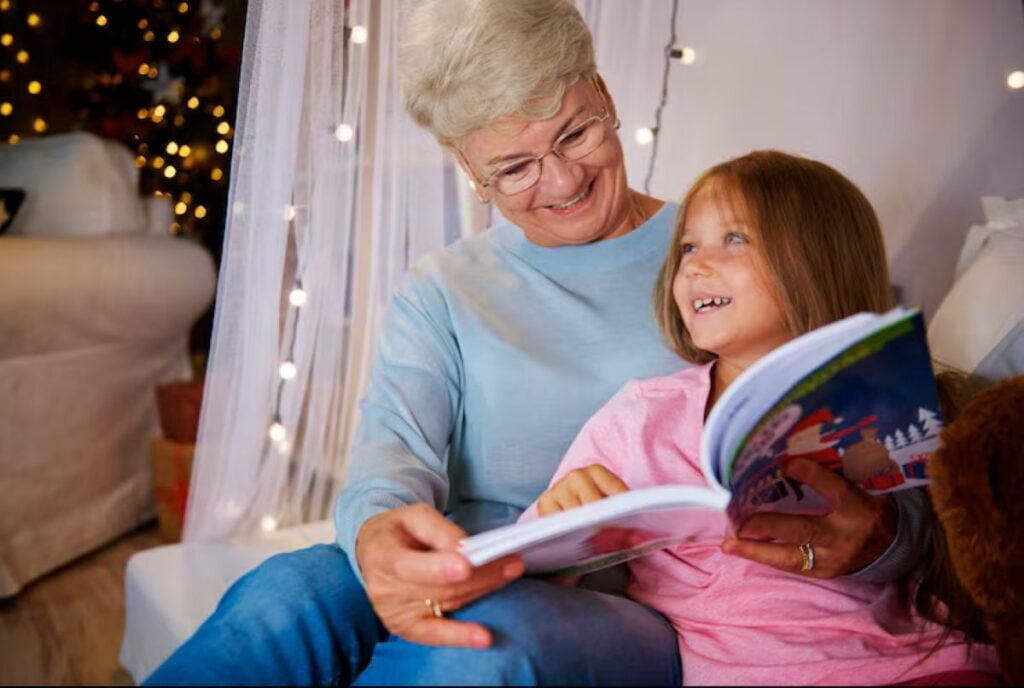
Children are naturally curious about the people they love.
At some point, almost every grandchild asks a question like:
“Grandma… what were you like when you were little?”
And when that question comes, something special is happening.
Psychologists say that family storytelling helps children build a stronger sense of identity and belonging. When kids hear stories about their family’s past, they begin to see themselves as part of a bigger story.
It helps them understand where they come from.
And the best part? Your stories don’t need to be dramatic or extraordinary.
In fact, the ordinary ones are often the most fascinating to children.
Tell them what school was like when you were their age.
Share the story of your first job.
Talk about the games you used to play with your friends.
Even the funny mistakes you made growing up.
Children love hearing these kinds of stories.
They laugh when they realize grandma got in trouble for something silly once. They’re amazed to imagine a time before smartphones and video games. And sometimes they feel comforted knowing that even adults they admire made mistakes when they were young.
Stories also give grandparents a gentle way to pass along values.
You might share how hard work helped you through a challenge. Or how kindness from someone changed your life. Or how a lesson from your own parents stayed with you for decades.
And when those stories are told around the kitchen table, on a car ride, or during a quiet afternoon together, they often become cherished memories.
Long after the details fade, your grandchild may still remember the feeling of sitting beside you while you said:
“Let me tell you what happened when I was your age…”
In that moment, you’re not just telling a story.
You’re giving them a piece of their family history—and helping them understand that they belong to something bigger than themselves.
Read Also: 7 Exciting Ways to Share Your Family History With the Grandkids
Conclusion
Strengthening your bond with your grandchildren doesn’t require grand gestures. In fact, the moments that matter most are often the quietest ones.
A few minutes of undivided attention.
A small tradition only the two of you share.
A kind word spoken at just the right moment.
A story from your childhood that makes them laugh.
These things may feel simple while they’re happening. Sometimes they even feel ordinary.
But to a child, they are anything but ordinary.
Children remember how people make them feel. And when a grandparent consistently makes them feel safe, valued, and loved, those feelings sink deep into their heart.
Think about the small moments that shaped your own childhood. Chances are, they weren’t the big, flashy events. They were the quiet experiences—the conversations at the kitchen table, the laughter during simple routines, the feeling that someone older and wiser truly cared about you.
That’s the kind of connection grandparents are uniquely able to give.
Grandparents often have something parents rarely do: a little more time, a little more patience, and a perspective that comes from living a full life. That combination creates a space where grandchildren feel accepted exactly as they are.
And those moments add up.
One afternoon of listening becomes a memory.
One shared tradition becomes something they look forward to every time they visit.
One encouraging sentence becomes a voice they carry with them for years.
Over time, these little moments quietly weave together into something beautiful—a relationship built on warmth, trust, and love.
So if you ever wonder whether the small things you do for your grandchild really matter, the answer is simple.
They matter more than you might realize.
Because long after toys are forgotten and gifts wear out, what stays with a child is the feeling of being deeply loved by someone who delighted in them.
And for many grandchildren, that someone is grandma.
Read Also: 12 Phrases to Avoid If You Want to Build Trust with Your Grandchildren
Love Being a Grandma?

Join 12,570+ grandmas who wake up to a cheerful, uplifting email made just for you. It’s full of heart, sprinkled with fun, and always free. Start your mornings with a smile—sign up below! ❤️