

Let’s be honest—saying no to a grandchild can feel way harder than it ever felt with our own kids. When those little eyes look up at us with hope, excitement, and complete trust, our instinct is to protect their happiness at all costs. We waited a long time for these precious moments, and the last thing we want to do is be the reason for disappointment.
There’s also that constant tug-of-war happening inside us. Part of us wants to spoil them, make memories, and be the grandma they can’t wait to visit. Another part of us knows we’re still guides, role models, and safe grown-ups who help them learn about limits. That inner conflict can make even a simple “no” feel heavy with guilt.
But here’s the truth many grandmas forget: saying no doesn’t make you the “mean grandma.” It makes you a loving one. Children don’t need endless yeses to feel adored—they need consistency, safety, and reassurance. Loving boundaries actually help grandkids feel more secure, even if they don’t realize it in the moment.
When a grandchild knows you’ll listen, care, and explain—even when the answer isn’t what they want—they learn that love doesn’t disappear with disappointment. And that’s one of the greatest gifts a grandma can give.
1. Rephrase the No Into a “Not Right Now”
Sometimes it’s not the answer that hurts—it’s the way it lands. A firm, sudden “no” can feel like a door slamming shut, especially to a child who doesn’t yet understand timing, safety, or bigger-picture reasons. But when we soften that no into a “not right now,” everything changes.
Timing matters more than we think. Saying “not right now” keeps hope alive without making promises you can’t keep. It tells your grandchild, I hear you. I understand what you want. This just isn’t the moment. That alone can ease a lot of disappointment.
Simple phrases work wonders here. Things like:
- “Not right now, sweetheart—but maybe later.”
- “I can’t say yes at the moment, but let’s talk about it soon.”
- “Today isn’t the day for that, but I love that you asked.”
These small shifts in language soften the moment and help your grandchild feel respected rather than shut down.
Over time, this gentle approach teaches patience without frustration. Your grandchild learns that waiting is part of life—and that waiting doesn’t mean being ignored or unloved. And you get to say no in a way that still feels kind, loving, and very grandma-like.
Read Also: 6 Small but Significant Moments That Shape How Your Grandchild Remembers You as a Grandparent
2. Offer a Choice Instead of a Flat Refusal
A flat “no” can feel like hitting a brick wall—especially for a child who’s excited or already imagining how fun something will be. But when you offer a choice instead, you gently turn disappointment into empowerment. Suddenly, your grandchild isn’t being shut down… they’re being invited into the decision.
Kids respond so much better when they feel heard. When you give them options, even small ones, you’re telling them, Your feelings matter to me. And that makes a huge difference. They may not get exactly what they asked for, but they still feel respected—and that often softens the sting of the no.
The key is to offer choices you’re already comfortable with. That way, you stay in control without making it obvious. For example:
- “We can’t have candy right now, but you can choose an apple or some crackers.”
- “We’re not buying a new toy today, but you can help me pick a book to read together.”
- “I can’t play that game right now, but would you rather color with me or help me bake?”
To a grandchild, having a say feels powerful. It shifts their focus from what they can’t have to what they can choose. And instead of tears or pouting, you often get cooperation—and maybe even a smile.
It’s a gentle reminder that saying no doesn’t have to feel negative. With the right choices, it can actually feel like a loving yes in disguise.
3. Blame the Situation (Not the Child)
One of the easiest ways to say no without hurting feelings is to make sure the “no” isn’t about them. Children are quick to internalize things, and a simple refusal can sometimes sound like rejection—even when that’s not what we mean at all.
That’s where blaming the situation comes in. Instead of making it about your grandchild’s behavior or request, you gently place the reason on timing, rules, or circumstances. This keeps the moment from feeling personal and helps protect their tender little hearts.
For example, instead of saying, “No, you’re being too loud,” you might say:
- “We can’t play that game right now because it’s quiet time.”
- “That’s not something we can do today because we need to rest.”
- “Grandma’s house rules don’t allow that, but I still love your idea.”
See the difference? The message becomes: You’re not the problem. The situation just isn’t right.
This approach does wonders for your grandchild’s self-esteem. They learn that being told no doesn’t mean they’re bad, wrong, or unlovable—it just means life has limits sometimes. And because the explanation feels fair and calm, they’re more likely to accept it without feeling embarrassed or hurt.
Most importantly, they walk away knowing this: Grandma is still on their side. And that feeling stays with them long after the moment has passed.
4. Replace the Request With a Yes to Something Else
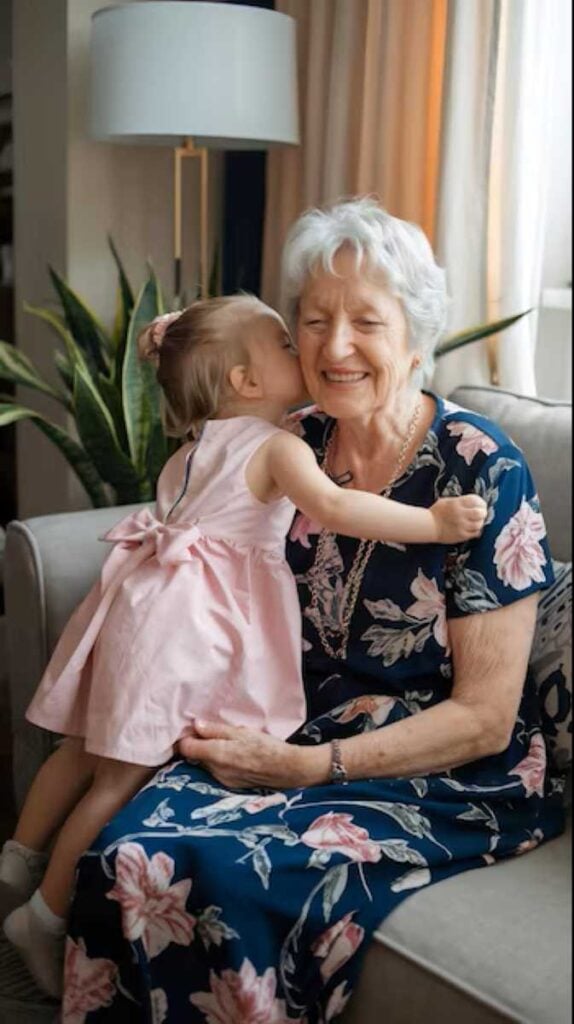
This is where a little grandma magic really shines. Sometimes the best way to say no… is to say yes to something different. Children don’t always need that exact thing they asked for—they mostly want connection, attention, and a feeling of being seen.
That’s the magic of redirection. When you gently guide their focus somewhere else, you help them move past disappointment without making it a big emotional moment. A small “yes” can soften a big “no” in ways we sometimes underestimate.
For example, if your grandchild asks for screen time and the answer needs to be no, you might say:
- “Not right now, but how about we build something together?”
- “I can’t do that today, but I can tell you a story or bake with you.”
- “That’s not a yes—but picking our movie for later is.”
What matters most is that the replacement still feels like a win to them. It doesn’t have to be fancy or planned. Often, the simplest swaps—extra cuddle time, a game, helping Grandma with something special—feel even better than what they originally asked for.
This approach gently teaches flexibility while preserving joy. Your grandchild learns that even when the answer is no, love, fun, and attention are still right there waiting for them. And that lesson sticks.
5. Use Grandma’s Special Rules (That Still Respect Mom and Dad)
Every grandma has her own way of doing things—and that’s part of what makes Grandma’s house feel special. But those “special rules” work best when they’re loving, clear, and respectful of Mom and Dad’s boundaries too.
Creating boundaries doesn’t have to cause tension. In fact, it can do the opposite. When your grandchild knows what to expect at Grandma’s house, they feel safe—and when parents know you respect their rules, trust grows stronger.
You can still be the fun grandma without crossing lines. It might sound like:
- “At Grandma’s, we do things a little differently—but we still follow Mommy and Daddy’s important rules.”
- “That’s a Mom-and-Dad decision, but here’s what we can do together.”
- “Grandma’s treats are special treats—and they come with Grandma’s rules.”
Consistency is what makes this work. When your answers don’t change based on mood or pressure, your grandchild learns that Grandma is steady, fair, and trustworthy. And children thrive on that—even when they test it now and then.
The beautiful part? You don’t lose your warmth or your bond. You actually strengthen it. Because your grandchild learns that Grandma’s love is dependable—not just fun when the answer is yes, but comforting even when it’s no.
Read Also: 6 Habits of Grandparents Deeply Loved by Their Grandchildren, According to Psychology
6. Explain in Loving, Age-Appropriate Words
Children handle “no” so much better when they understand why—even in the simplest way. They don’t need long explanations or grown-up logic. They just need to feel that the answer makes sense and comes from a place of care.
Think of it this way: a no with no explanation can feel confusing or unfair to a child. But a no with a gentle reason helps them trust you. It tells them, Grandma isn’t saying no to be mean. She’s saying no because she cares.
The key is to keep it short and sweet. This isn’t the moment for lectures or life lessons. A simple, calm explanation is more than enough:
- “That’s not safe right now.”
- “Your body needs rest today.”
- “That could hurt you, and Grandma’s job is to keep you safe.”
Notice how those explanations don’t sound harsh or complicated. They’re clear, loving, and easy for a child to understand.
Your tone matters just as much as your words. When you stay calm and warm—even if your grandchild is disappointed—you’re showing them how to handle big feelings. You’re modeling patience, kindness, and emotional safety.
Over time, this builds trust. Your grandchild learns that when Grandma says no, there’s always a good reason behind it—and that makes the no much easier to accept.
7. Follow Up With Affection
This part might be the most powerful of all. After the no has been said, what your grandchild needs most isn’t a changed answer—it’s reassurance.
Disappointment can feel big in a little heart. A quick hug, a gentle smile, or a loving touch can do wonders to soften that moment. These small gestures tell your grandchild, Even though you didn’t get what you wanted, you are still deeply loved.
Sometimes it’s as simple as:
- Pulling them in for a cuddle
- Ruffling their hair
- Sitting beside them quietly
- Saying, “I know that was hard. Grandma loves you so much.”
These moments help repair disappointment before it turns into sadness or resentment. They teach your grandchild that love doesn’t disappear just because the answer was no.
And here’s a beautiful lesson they carry with them: boundaries and love can exist at the same time. They learn that they don’t have to earn affection by being agreeable—and that is a gift that stays with them far beyond childhood.
In the end, your grandchild may forget what they asked for… but they’ll always remember how safe, loved, and comforted they felt with Grandma.
Read Also: These 12 Small Things Make the Biggest Impact on Your Grandkids
Phrases Grandmas Can Use That Feel Like a Hug
Sometimes, the right words make all the difference. A gentle phrase—spoken with warmth—can turn a disappointing moment into a comforting one. These are the kinds of words that don’t just say no… they wrap around your grandchild’s heart.
“I love you too much to say yes to that.”
This reminds your grandchild that the no comes from love, not rejection. It tells them that Grandma’s decisions are rooted in care—even when they don’t fully understand them yet.
“Let’s find something special we can do.”
This shifts the focus away from disappointment and toward connection. It reassures your grandchild that even though one door closed, plenty of love and fun are still wide open.
“Grandma’s job is to keep you safe and loved.”
Few words are more comforting than this. It explains the boundary while reinforcing your role as a protector and a safe place—someone who always has their best interests at heart.
You don’t need perfect words. You just need honest, loving ones. When your grandchild hears these kinds of phrases consistently, they learn that Grandma’s no is never cold or uncaring—it’s simply another way she shows love.
And that’s something they’ll carry with them for a lifetime.
Wrap-Up: Saying No Without Guilt
If there’s one thing grandmas need to hear again and again, it’s this: your grandchild will not love you less because you said no. Love isn’t that fragile. In fact, the kind of love that lasts—the kind that feels safe and steady—is built on trust, not endless yeses.
Those small moments when you gently hold a boundary are doing more good than you realize. Every time you say no with kindness, your grandchild is learning how to handle disappointment, how to wait, how to regulate big feelings, and how to trust the grown-ups who care for them. That’s emotional resilience—and it’s one of the most important life skills they’ll ever learn.
And here’s the part many grandmas forget: being a loving grandma doesn’t mean saying yes to everything. It means showing up with patience, warmth, and guidance. It means protecting them, even when it’s uncomfortable. It means teaching them that love doesn’t disappear when things don’t go their way.
So let go of the guilt. You’re not taking something away from your grandchild—you’re giving them something far more valuable. You’re giving them security, confidence, and the deep knowing that Grandma’s love is steady, dependable, and always there.
And that kind of love? That’s unforgettable.
Love Being a Grandma?

Join 12,570+ grandmas who wake up to a cheerful, uplifting email made just for you. It’s full of heart, sprinkled with fun, and always free. Start your mornings with a smile—sign up below! ❤️