
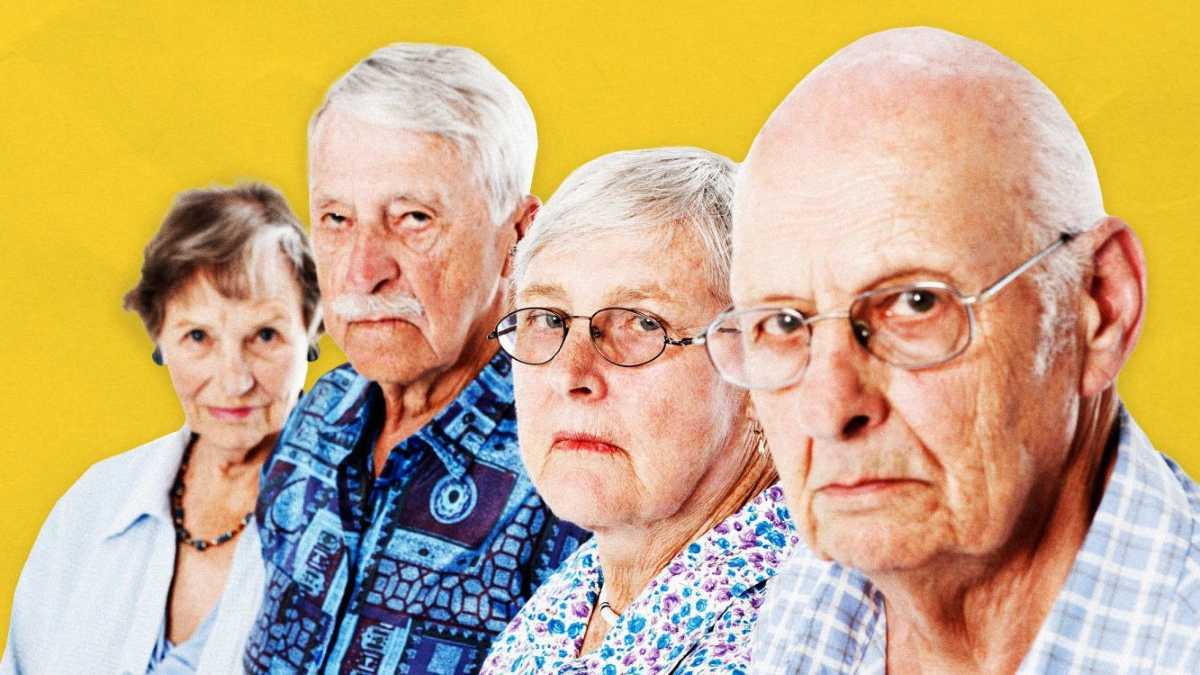
Most of us were raised in homes where emotions weren’t discussed — they were managed.
You didn’t sit down and unpack your feelings. You wiped your face, straightened up, and kept going. If you were upset, you were told to calm down. If you were scared, you were told to be brave. And if you were angry? Well… you were usually told to knock it off.
For many Boomers, strength meant not falling apart. It meant holding it together. It meant pushing through. And truthfully? That grit built a generation that survived hard things.
But here’s the gentle shift.
Today’s parents are raising children in a world where emotional awareness is talked about openly. Kids are encouraged to name their feelings. Schools teach social-emotional skills. Therapy isn’t whispered about — it’s normalized.
So sometimes, phrases that once sounded normal… land differently now.
This isn’t about shaming a generation. It’s about understanding impact. Most of us said these things with good intentions. We wanted strong kids. Respectful kids. Resilient kids.
The beautiful part? You can still raise strong kids — and build deeper emotional trust at the same time.
Sometimes it just takes a small tweak in wording. And that small tweak can change everything.
1. “Stop crying or I’ll give you something to cry about.”
If you heard this growing up, you probably didn’t think twice about it.
Back then, crying was often seen as dramatic. Or manipulative. Or unnecessary. So the message behind this phrase was usually, “You’re okay. This isn’t worth all that.”
Many Boomers meant it as tough love. They wanted their children to be resilient. To not crumble over small things. To be able to handle life.
But here’s how it can land today.
To a child, it can sound like: “Your feelings are annoying.” Or worse, “Your feelings aren’t safe here.”
When a child is crying, their nervous system is already overwhelmed. Threatening more consequences doesn’t calm that system — it intensifies it. It teaches them to swallow emotions instead of process them.
And swallowed emotions don’t disappear. They just show up later in different ways.
What’s powerful is that you don’t have to agree with the reason for the tears to acknowledge them.
Instead of “Stop crying,” imagine saying:
“I can see you’re really upset. Come here. Let’s talk.”
That doesn’t mean you give in. It doesn’t mean you remove boundaries. It simply tells the child, “Your emotions are allowed here.”
And ironically, when kids feel safe expressing emotions, they often calm down faster.
Strength isn’t the absence of tears. It’s learning how to move through them.
And as grandparents especially, you have such a beautiful opportunity. You can be the safe place. The soft landing. The steady voice that says, “It’s okay to feel.”
That kind of strength? It lasts a lifetime.
2. “Because I said so.”
Oh, this one.
If you’re honest, you probably heard it. And if you’re really honest… you probably said it.
Back then, parents didn’t negotiate. They didn’t hold family meetings over bedtime. Authority was authority. And “Because I said so” was shorthand for, This conversation is over.
And to be fair? Sometimes parents were exhausted. Overworked. Managing multiple kids. There wasn’t always time for a five-minute explanation about why shoes had to stay on in the grocery store.
The phrase wasn’t meant to belittle. It was meant to maintain order.
But here’s how it can land now.
To a child, especially today, it can sound like: “Your questions don’t matter.” Or “You don’t deserve an explanation.”
Kids today are encouraged to ask why. Curiosity is praised. Dialogue is normal. So when the door gets shut with “Because I said so,” it can feel dismissive rather than firm.
And here’s the interesting part — you can keep the authority without shutting down the connection.
Instead of:
“Because I said so.”
Try:
“I know you don’t like it, but it’s important because…”
It doesn’t have to be a long speech. Just one sentence. One respectful explanation.
Children don’t need to win the argument. But they do need to feel heard.
And when they feel heard, they’re actually more likely to cooperate.
Firm doesn’t have to mean final.
Authority doesn’t have to mean silence.
You can hold the boundary — and still keep the relationship warm.
Read Also: 30 Common Demoralizing Statements Grandmas Say That Quietly Crush a Grandchild’s Confidence
3. “You’re fine.”
This one usually comes from a loving place.
A scraped knee. A small disappointment. A shaky first day of school.
“You’re fine, honey.”
Most of the time, it’s said with tenderness. With the hope of calming things down. With the belief that reassuring a child will help them move on.
And sometimes, yes — they really are fine.
But here’s the subtle shift.
When a child is visibly upset and hears “You’re fine,” it can feel like their inner experience is being brushed aside.
What they might hear is:
“No big deal.”
“Stop overreacting.”
“There’s nothing to be upset about.”
Even if that’s not what you meant.
Children don’t always need us to fix the problem.
They need us to acknowledge the feeling.
Instead of “You’re fine,” imagine:
“That looked like it hurt.”
“That must have scared you.”
“Tell me what happened.”
Those few words validate their reality.
And here’s the beautiful thing — once a child feels understood, they often calm down naturally. The tears dry faster. The breathing slows. The moment passes.
Validation doesn’t make kids weaker.
It makes them feel safe.
And safe kids grow into secure adults.
You don’t have to overreact. You don’t have to dramatize. You just have to recognize.
Sometimes the difference between dismissive and supportive is only three or four words.
And those words? They stay with a child longer than we realize.
4. “That’s just the way life is.”
This phrase usually came from experience.
You’d lived long enough to know life isn’t always fair. You’d been disappointed. Overlooked. Heartbroken. You learned to accept things you couldn’t change. So when a child complained about something unfair, your instinct might’ve been to say, “Well… that’s just the way life is.”
And in many ways, that’s true.
Life can be unfair.
People can be unkind.
Things don’t always go our way.
Boomers often used this phrase to teach grit. To say, “You can’t control everything, but you can control how you respond.” It was about strength. About surviving. About moving forward.
But here’s the shift.
When a child is hurting and hears, “That’s just the way life is,” it can sound like, “Don’t feel that way.” Or, “There’s nothing you can do about it, so stop talking.”
It can unintentionally shut down the conversation.
Children don’t just want life lessons — they want empathy first.
Imagine instead saying:
“You’re right. That feels unfair.”
“Life can be hard sometimes.”
“I’m here with you.”
Notice the difference?
You’re not denying reality. You’re not sugarcoating life. You’re simply walking through it with them instead of pushing them through it alone.
Acceptance doesn’t have to mean dismissal.
Sometimes the most powerful lesson we can teach isn’t “Deal with it.”
It’s “You don’t have to deal with it by yourself.”
And that’s something grandchildren remember long after the moment passes.
5. “When I was your age…”
Now this one usually starts with good intentions.
You’re trying to give perspective.
You’re trying to share wisdom.
You’re trying to say, “I’ve been there. I survived.”
And let’s be honest — many of you did have it harder in certain ways. Less technology. Fewer conveniences. Different expectations. You worked young. You handled responsibility early.
So when a child says they’re stressed about homework or overwhelmed by something that seems small, it’s tempting to respond with:
“When I was your age, I walked to school in the snow…”
“When I was your age, I had a job already…”
“When I was your age, we didn’t complain.”
The intention? Perspective.
But here’s how it can land.
It can feel like comparison.
It can feel like competition.
It can feel like their struggle doesn’t measure up.
And the truth is, every generation faces different pressures. Social media alone has created a level of constant comparison most of us never had to deal with.
Instead of leading with comparison, you can lead with connection.
Try:
“I remember feeling overwhelmed at your age too.”
“Let me tell you something that helped me back then.”
“Can I share a story?”
Same wisdom. Different delivery.
When stories connect instead of compete, children lean in instead of shut down.
Your life experience is valuable.
Your stories matter.
Your lessons are powerful.
But they land best when they say, “I understand you,” instead of “You have it easy.”
And as grandparents, you’re in a beautiful position. You’re not there to control — you’re there to guide. To support. To offer perspective wrapped in warmth.
And that kind of wisdom?
It’s timeless.
6. “Other people have it worse.”
This phrase usually came from a place of perspective.
Many Boomers grew up hearing stories about war, poverty, hardship. Some lived through it themselves. So when a child complained about something that seemed small — a broken toy, a bad grade, not getting invited to a party — the instinct was to zoom out.
“There are kids who don’t have toys.”
“There are people who don’t even have food.”
“Other people have it worse.”
The heart behind it? Gratitude. Resilience. Not sweating the small stuff.
And gratitude is a beautiful value to pass down.
But here’s the subtle issue.
When a child is hurting and hears, “Other people have it worse,” what they may feel is: “So my feelings don’t count.” Or, “I shouldn’t talk about this.”
Perspective is helpful — but timing matters.
When someone is overwhelmed, their brain isn’t ready for comparison. It’s ready for comfort.
Imagine instead saying:
“I know this feels really big to you right now.”
“That must have been disappointing.”
“Let’s figure it out together.”
You can still teach gratitude later. But in the moment? Validation builds connection.
Pain isn’t a competition.
Just because someone else is struggling more doesn’t mean a child’s feelings disappear. When we acknowledge their small hurts, we teach them it’s safe to bring us their big ones someday.
And that safety? That’s priceless.
Read Also: These 6 “Harmless” Phrases Can Quietly Damage Your Grandchild’s Self-Worth
7. “Stop being so sensitive.”
If you grew up in a household where emotions were kept in check, sensitivity might have been seen as weakness.
You were taught to toughen up. To not take things personally. To develop thicker skin. Life wasn’t going to coddle you — so the idea was to prepare you early.
So when a child reacted strongly — tears over teasing, hurt feelings from a sibling, frustration over criticism — the reflex might have been:
“Don’t be so sensitive.”
“You’re overreacting.”
“Let it go.”
The intention? Strength.
But here’s how it can land.
To a child, it can feel like something is wrong with them for feeling deeply.
And here’s the truth: sensitivity isn’t weakness. It’s wiring.
Sensitive kids often grow into empathetic adults. They notice details. They read emotions. They care deeply. They’re the ones who check on others. The ones who remember birthdays. The ones who feel the room shift.
When we label sensitivity as a flaw, we risk teaching them to shut down a beautiful part of who they are.
Instead, imagine saying:
“That really hurt you, didn’t it?”
“I can see this affected you.”
“Tell me what happened.”
You’re not encouraging drama. You’re encouraging emotional literacy.
You can still guide them toward resilience:
“Let’s think about how to handle this next time.”
“What could we do differently?”
But it starts with acknowledgment, not correction.
The strongest people aren’t the ones who feel nothing.
They’re the ones who can feel deeply — and still stand tall.
And as grandparents, you have a rare opportunity. You can be the safe harbor. The place where feelings aren’t judged — they’re understood.
And that kind of strength?
It lasts generations.
Strength and Sensitivity Can Coexist
Let’s say this clearly first: many grandparents raised incredible human beings.
You raised children who worked hard. Who showed up. Who took responsibility. Who built families and careers and lives of their own. That didn’t happen by accident. It happened because you poured yourself into them.
You taught them grit.
You taught them manners.
You taught them to keep going when things were hard.
That matters.
At the same time, the conversation around emotions has evolved. We now understand more about mental health, nervous systems, childhood development, and how words shape identity. Things that simply weren’t talked about openly 40 or 50 years ago are now part of everyday parenting discussions.
That doesn’t mean you did it wrong.
It just means we know more now.
And growth isn’t betrayal. It’s wisdom.
Here’s the beautiful part: strength and sensitivity are not opposites.
You can teach a child to be respectful without silencing them.
You can teach resilience without dismissing their tears.
You can hold boundaries and still validate feelings.
In fact, when children feel emotionally safe, they often become even more resilient. Because they’re not wasting energy hiding their emotions — they’re learning how to handle them.
And as a grandparent, you have a unique role. You’re not in the daily discipline trenches. You get to be the steady presence. The soft place to land. The voice that says, “I’m proud of you” and “Tell me more.”
That doesn’t make you weak.
It makes you wise.
So now I’m curious.
Which of these phrases did you hear growing up?
And if you’re honest… how did it make you feel?
Sometimes reflecting on that one question tells us everything we need to know.
Love Being a Grandma?

Join 12,570+ grandmas who wake up to a cheerful, uplifting email made just for you. It’s full of heart, sprinkled with fun, and always free. Start your mornings with a smile—sign up below! ❤️