

“But I’m Just Trying to Help…”
You’re standing in the kitchen, watching your grandchild struggle to zip their coat. It would take you two seconds to do it for them. So you reach in.
Or maybe you’re helping with homework, and you can see the answer immediately. You gently correct it before they even finish writing.
Or perhaps there’s a meltdown brewing. Tears. Frustration. Raised voices. And you step in to smooth things over before anyone gets too upset.
After all, you’re not trying to interfere. You’re trying to help.
Most helicopter grandparenting doesn’t come from control. It comes from love. From protection. From wanting their little lives to be easier than ours were. You don’t want them to struggle. You don’t want them to feel embarrassed. You don’t want them to hurt.
But here’s the hard truth no one gently tells us: sometimes the very help meant to protect them can quietly communicate something else.
It can say, “I don’t think you can handle this.”
This isn’t about guilt. It’s not about blame. It’s about awareness. Because loving them well sometimes means pausing… even when every instinct says step in.
1. You Step In Before Your Grandchild Has a Chance to Struggle
It’s almost automatic.
They’re searching for a word, and you finish the sentence.
They’re trying to figure out a puzzle, and you point to the missing piece.
They’re in a small disagreement with a sibling or friend, and you quickly referee before it escalates.
You tell yourself you’re being helpful. Efficient. Supportive.
But small struggles are not emergencies.
When children wrestle with something—whether it’s tying their shoes, solving a math problem, or navigating a playground conflict—they’re building something far more important than the skill itself. They’re building resilience. Problem-solving ability. Confidence.
When we consistently jump in too quickly, we unintentionally steal the moment where they think, “I did that on my own.”
And that feeling? It’s powerful.
Of course, there are times when guidance is needed. Safety matters. Big issues require adult involvement. But everyday frustrations? Those are the training ground of growth.
Sometimes the most loving thing you can do is sit on your hands. Smile. And say, “I know you can figure it out.”
Because they usually can.
2. You Quietly Override the Parents’ Rules

This one can feel harmless. Even fun.
An extra cookie when Mom said one.
A later bedtime “just this once.”
A little whisper: “Don’t tell your dad.”
You might even roll your eyes when you hear a parenting rule you don’t agree with. After all, you raised kids. You’ve been there. You survived it.
But here’s what’s happening beneath the surface.
When a grandparent consistently overrides the parents’ boundaries—even in small ways—it puts the child in a quiet tug-of-war. They start learning that rules are flexible depending on who’s around. They may feel confused about who to listen to. Worse, they can feel caught between loyalty to you and loyalty to their parents.
And no child should have to carry that tension.
This doesn’t mean grandparents can’t spoil. Part of being a grandparent is a little magic and a little indulgence. But the healthiest grandparent relationships work alongside the parents, not against them.
Supporting the parents’ rules—even when you would do it differently—actually strengthens your bond with your grandchild in the long run. It shows stability. Unity. Safety.
It says, “The grown-ups in your life are on the same team.”
And that security? That’s far sweeter than any extra cookie.
Read Also: Psychologists Warn These 8 “Nice Phrases” from Grandparents Actually Create Anxiety in Grandchildren
3. You Feel Anxious When They’re Upset — and Rush to Make It Stop
There’s something about a grandchild’s tears that goes straight to the heart.
The trembling lip. The watery eyes. The frustration when the tower falls over or the game doesn’t go their way. It can make your chest tighten almost instantly. You want to scoop them up, fix the problem, distract them, hand them a cookie — anything to make it stop.
Because when they hurt, you hurt.
So you jump in.
You smooth it over. You say, “It’s okay, don’t cry.” You offer a quick solution. You redirect their attention before the sadness has time to fully land.
It feels loving. Protective. Necessary.
But sometimes what we’re actually soothing… is our own discomfort.
Big feelings can be messy. Loud. Inconvenient. Especially if you grew up in a time when children were told to “stop crying” or “toughen up.” Many of us were raised to minimize emotions, not process them. So when our grandchildren express those feelings freely, it can feel overwhelming.
Here’s the gentle truth: tears are not emergencies.
Frustration is not failure.
Disappointment is not damage.
When we rush to shut down their emotions, even with kindness, we may accidentally teach them that hard feelings should be avoided or hidden. That sadness needs to be fixed quickly. That anger is unacceptable.
But emotional strength isn’t built by avoiding feelings. It’s built by learning to move through them.
When a child cries because they lost a game, they’re learning how to handle disappointment. When they’re frustrated with homework, they’re building persistence. When they argue with a friend, they’re practicing conflict and repair.
Those moments are uncomfortable — for them and for us — but they are powerful teachers.
Sometimes the most supportive response isn’t solving the problem. It’s sitting beside them and saying, “I know this feels hard.”
That sentence does something profound. It validates without rescuing. It comforts without controlling.
Of course, there are times when children truly need help regulating overwhelming emotions. Guidance matters. Safety matters. But there’s a difference between guiding and immediately erasing the feeling.
When we allow them space to feel upset — while staying calm and steady ourselves — we send a powerful message:
“You can handle big emotions. And I’m not afraid of them.”
That’s how resilience grows. Not because the feelings disappear quickly, but because they learn they can survive them.
And perhaps the most beautiful part? When you stay calm in their storm, you become their anchor — not their shield.
An anchor doesn’t remove the waves.
It helps them ride them.
4. You Take It Personally When They Choose Independence
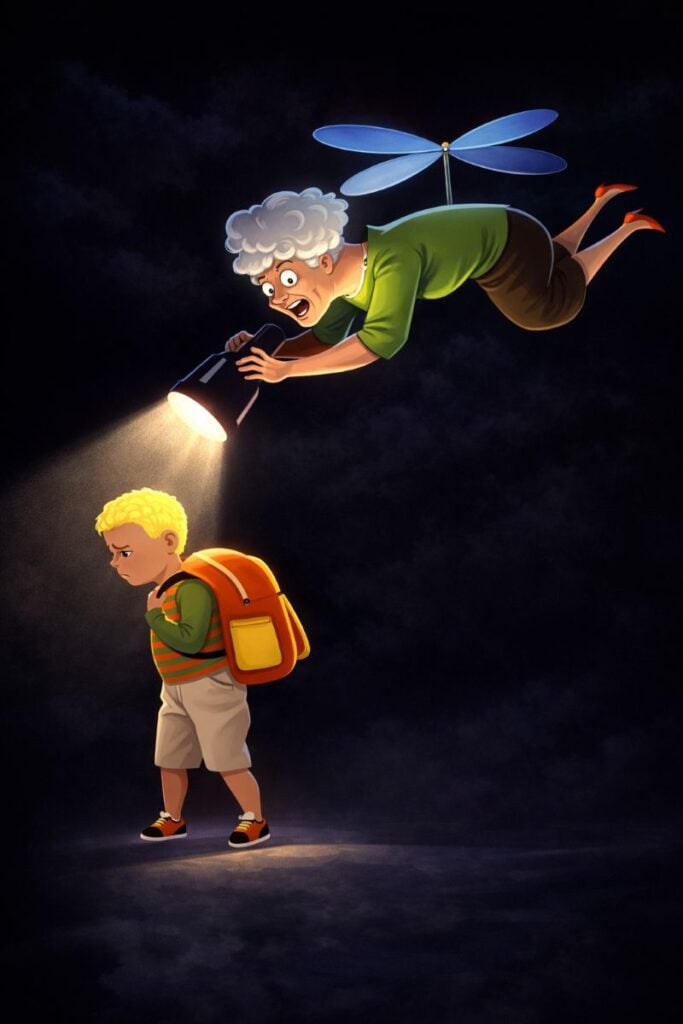
There’s a quiet sting that comes with this one.
Your grandchild used to reach for your hand automatically. Used to climb into your lap without thinking. Used to need you for everything.
Now they say, “I’ve got it.”
They want to pour their own juice. Tie their own shoes. Sit with their friends instead of next to you. Maybe they even close their bedroom door.
And if you’re honest, sometimes it hurts.
It can feel like rejection. Like you’re being replaced. Like the closeness is slipping through your fingers.
But here’s the truth: independence is not distance. It’s growth.
When a child says, “I can do it myself,” they’re not saying, “I don’t need you.” They’re saying, “You’ve helped me feel capable.”
That’s not rejection. That’s success.
The bittersweet part of loving children—whether as a parent or grandparent—is that the goal has always been to make yourself less necessary in the practical sense, while remaining deeply rooted in their heart.
If they feel safe enough to step away, it’s often because they know you’re still there.
Instead of taking it personally, try shifting the narrative. Their independence is proof of your steady presence. You were their safe place while they built their confidence.
And confident children still come back for hugs.
5. You Constantly Monitor Their Achievements (and Correct Their Mistakes)
You just want them to succeed.
You watch their grades. Their sports performance. Their music recital. Their spelling test. You praise loudly when they do well. You gently correct when they slip.
You might say things like, “You could’ve done even better,” or “Next time, try harder,” or “Let me show you the right way.”
It all comes from pride and hope.
But sometimes constant monitoring—even when it’s wrapped in love—can feel like pressure to a child.
Over-praising can quietly teach them that love is tied to achievement. Over-correcting can make them hesitant to try. Worrying about every small outcome can send the message that mistakes are dangerous instead of normal.
Children need encouragement. They need guidance. But they also need room to be imperfect without feeling like someone is always evaluating them.
Support says, “I’m proud of your effort.”
Pressure says, “You should have done more.”
The difference is subtle—but powerful.
The healthiest confidence doesn’t grow from constant applause or constant correction. It grows from knowing, “I am loved whether I win or lose.”
Sometimes the greatest gift you can give is sitting in the audience, smiling, and letting them own both the victory and the mistake.
6. You Speak for Them in Social Situations
This one often happens without even realizing it.
Someone asks your grandchild a question, and you answer for them.
“They’re shy.”
“She doesn’t like that.”
“He’s tired.”
You might jump in to prevent awkward pauses. To save them from embarrassment. To make the interaction smoother.
It feels protective.
But when we consistently speak for children, we accidentally take away small opportunities for them to find their own voice.
Those little moments—answering a question, ordering their own food, explaining how they feel—are building blocks of confidence. Yes, they might stumble. Yes, they might say something imperfect.
That’s okay.
When we rush to translate their emotions or narrate their personality, they may start to rely on us to represent them. Over time, that can quietly weaken their ability to speak up for themselves.
Instead of answering for them, try pausing. Let the silence stretch a little. Smile at them. Give them the space to respond.
It might take a few extra seconds. It might feel uncomfortable at first.
But every time they speak for themselves, they grow stronger.
And knowing you’re nearby—without taking over—is one of the most empowering forms of love there is.
7. You Compete With the Other Grandparent (Even Subtly)
This one can sneak in quietly.
You hear about the other grandparent taking them to the zoo… so you plan something bigger. They bought a small gift… so you show up with two. They get a weekend visit… and you try to make yours more memorable.
You might never say it out loud. But somewhere inside, there’s a tiny whisper: I want to be their favorite.
That desire doesn’t come from ego as much as it comes from love. You adore them. You want to matter. You want your time with them to feel special.
But children can feel competition—even when adults think they’re hiding it well.
When love starts to feel like a scoreboard, kids can feel pressure to choose sides. They may feel guilty for enjoying time with one grandparent more. Or they might learn to “perform” excitement to keep everyone happy.
Love was never meant to be a contest.
The truth is, every grandparent brings something different to a child’s life. One might be the fun adventurer. Another might be the steady listener. One might bake the best cookies. Another might tell the best stories.
Different doesn’t mean less.
The healthiest relationships happen when there’s confidence instead of comparison. When you trust that your bond doesn’t need to be louder, bigger, or more expensive to be meaningful.
Children remember how you made them feel far more than how much you spent.
And the most unforgettable grandparents? They’re secure enough not to compete.
8. Your Identity Is Wrapped Around Being Needed
There’s something deeply fulfilling about being needed.
When they’re little, you are essential. They need help with shoes. With snacks. With emotions. With everything.
And then, slowly, they grow.
They start doing things on their own. They call less. They solve their own problems. They lean more on friends. On school. On their own inner world.
If you’re honest, that transition can feel unsettling.
When being “needed” has been such a central part of your identity, independence can feel like invisibility.
You might find yourself over-offering help. Giving advice before it’s asked for. Inserting yourself into situations just to stay relevant.
Not because you want control—but because you don’t want to disappear.
But here’s the beautiful shift: being needed and being deeply loved are not the same thing.
Children eventually outgrow needing constant help. They don’t outgrow feeling safe with someone who respects them. They don’t outgrow the comfort of someone who listens without taking over.
When your identity moves from “the one who fixes everything” to “the one who always understands,” the relationship actually deepens.
Needed is temporary.
Loved is lasting.
And your greatest value to them may not be what you do—but who you are.
Healthy Grandparenting: Support Without Hovering
If you recognized yourself in any of these signs, take a breath.
This isn’t about shame. It’s about adjustment.
Healthy grandparenting isn’t about stepping back completely. It’s about shifting from control to presence.
Presence says, “I’m here if you need me.”
Control says, “Let me handle this.”
Encouragement says, “I believe in you.”
Interference says, “I don’t think you can do it alone.”
There’s a quiet strength in watching a child try, fail, and try again without rushing in. There’s wisdom in respecting the parent-child bond, even when you might do things differently. There’s maturity in choosing unity over influence.
Your grandchildren don’t need perfection.
They need a steady, safe place to land.
They need someone who cheers without steering. Who listens without taking over. Who offers advice when invited—and confidence always.
When you give them room to grow while staying emotionally close, you create something powerful: independence anchored in security.
And that kind of love doesn’t hover.
It holds.
Conclusion: Love That Gives Them Room to Grow
If you saw yourself in a few of these signs, please don’t close this tab feeling defeated.
That little twinge of recognition? That’s not failure. That’s love paying attention.
None of us sets out to hover. We step in because we care. We override because we adore. We correct because we want their path to be smooth and bright and full of opportunity. Everything comes from a tender place.
But here’s the beautiful thing about love at this stage of life: it’s mature enough to adjust.
Growth doesn’t mean you did it wrong all these years. It means you’re still invested. Still thoughtful. Still willing to ask, “Is this helping them become who they’re meant to be?”
That question alone makes you a good grandparent.
Sometimes the greatest gift we can give our grandchildren isn’t tighter protection — it’s a little more breathing room.
Room to struggle with the zipper.
Room to answer the question themselves.
Room to navigate disappointment.
Room to build confidence that doesn’t rely on us swooping in.
It feels counterintuitive at first. Stepping back can feel like stepping away. But it isn’t distance — it’s trust.
When you say, “I believe you can handle this,” you’re giving them something powerful: belief in themselves.
And here’s the part that often goes unsaid — children don’t drift away because you stopped hovering. They stay close because you respected their growth.
One day, when they’re older and facing something hard, they may not need you to fix it. But they’ll remember that you believed they were capable. They’ll remember that you gave them strength instead of control.
That kind of love doesn’t shrink as they grow.
It expands right alongside them.
And in the end, that’s what we all want — not grandchildren who depend on us forever, but grandchildren who carry our steady confidence inside them long after they’ve learned to fly on their own.
Read Also: 12 Key Signs Your Grandchild’s Parents Might Be Narcissistic, According to Psychologists
Love Being a Grandma?

Join 12,570+ grandmas who wake up to a cheerful, uplifting email made just for you. It’s full of heart, sprinkled with fun, and always free. Start your mornings with a smile—sign up below! ❤️