
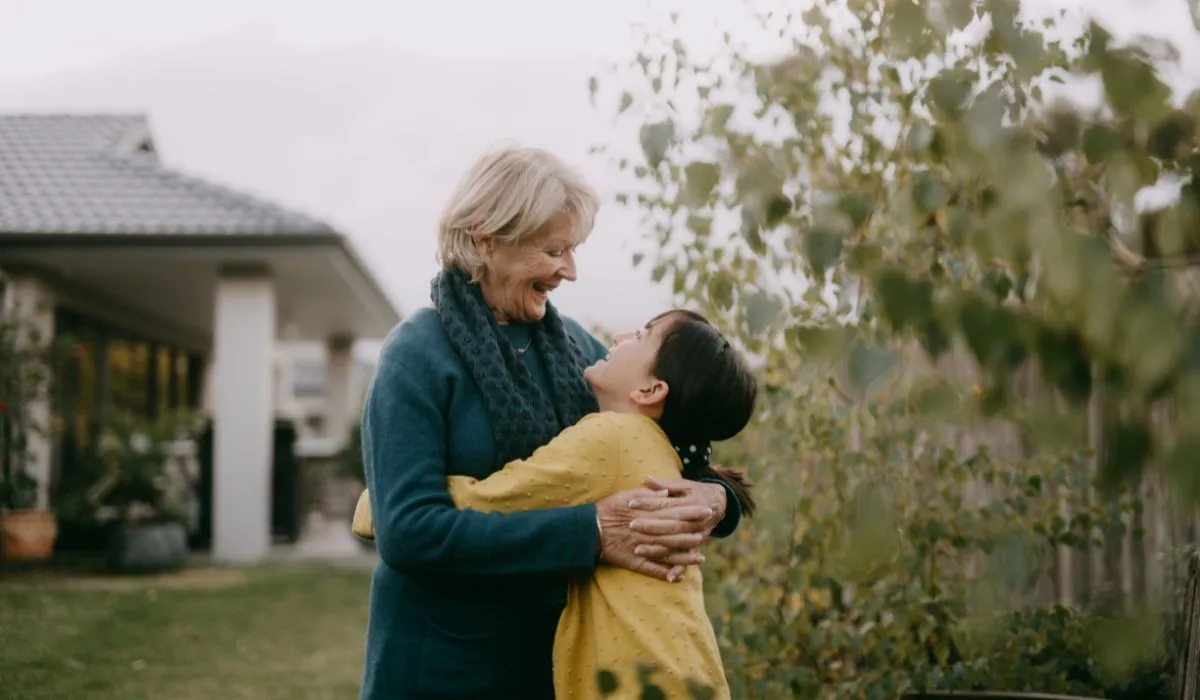

Some grandparents leave a mark that lasts a lifetime. Not because they were perfect, flashy, or always present—but because of how they made their grandchildren feel. Years later, grandchildren may not remember what toys were bought or what rules were enforced, but they will remember feeling safe, loved, and understood in their grandparent’s presence.
Psychology tells us that children form their deepest emotional memories through small, repeated experiences. A soft voice when they were upset. A familiar hug. A grandparent who noticed them and truly listened. These tiny moments quietly shape a child’s sense of belonging and security—and they stay with them well into adulthood.
That’s what makes the grandparent–grandchild bond so special. It’s not about responsibility or discipline the way parenting often is. It’s about connection. And the habits that build that connection are often much simpler than we think.
1. They Make Their Grandchildren Feel Emotionally Safe
Emotionally safe grandchildren feel free to be themselves. They don’t worry about being “too loud,” “too sensitive,” or “too much.” They know they can show up with big feelings and still be loved—and that feeling is priceless.
Psychology shows that emotional safety matters more than doing everything “right.” Children don’t need perfection; they need consistency. A calm presence. A grandparent who doesn’t panic when emotions run high. Someone who stays steady even when a child is upset, scared, or overwhelmed.
This often shows up in the simplest ways. Letting a grandchild finish their story without jumping in. Offering reassurance instead of dismissal. Speaking in a warm, gentle tone—even during challenging moments. Over time, children learn: I’m safe here. I’m accepted here. And that’s why they run toward these grandparents—not away from them.
2. They Give Undivided Attention (Even in Small Moments)
There is something incredibly powerful about being fully seen—even for just a minute or two. Psychology calls this attunement, and it plays a huge role in how loved a child feels.
Grandchildren don’t need hours of entertainment or elaborate plans. What they crave is presence. A grandparent who looks them in the eye. Who puts the phone down. Who listens like what they’re saying actually matters—because it does.
Sometimes it’s five minutes at the kitchen table. Sometimes it’s watching them show you something with pure excitement. Sometimes it’s simply letting them lead the conversation, even if it goes in circles. Those short, focused moments tell a child, You matter. I enjoy being with you. And that feeling stays with them long after the moment has passed.
Read Also: These 12 Small Things Make the Biggest Impact on Your Grandkids
3. They Love Without Conditions or Performance
One of the most beautiful gifts a grandparent can give is love that doesn’t come with strings attached. No requirements. No scorekeeping. No “I’ll love you more if you behave better.” Just steady, reliable love—on the good days and the hard ones.
Psychology shows that this kind of unconditional love builds a child’s self-worth from the inside out. When grandchildren don’t feel like they have to earn affection by being smart, polite, talented, or easy, they relax into who they are. They learn, I’m enough just as I am.
This shows up most clearly during messy moments. When a grandchild makes a mistake. When emotions spill over into tears or tantrums. When they’re quiet, moody, or not particularly fun to be around. Loved grandparents don’t withdraw during those moments—they lean in. A hug after a meltdown. A calm presence after a poor choice. A gentle reminder that love doesn’t disappear when things get hard.
Years later, those grandchildren won’t remember every word you said—but they will remember that you never stopped loving them, no matter what.
4. They Respect the Child’s Emotions (Even the Big Ones)
Big emotions can be uncomfortable—especially when you’re watching a child you love struggle with them. But grandparents who are deeply loved don’t rush to shut feelings down. They make space for them.
Psychology tells us that emotional validation helps children feel understood and accepted. That doesn’t mean agreeing with every behavior—it means acknowledging the feeling underneath it. There’s a big difference between saying, “That’s nothing to cry about,” and saying, “I can see why that upset you.”
Grandchildren feel safest when their emotions aren’t minimized or mocked. When sadness isn’t brushed off. When anger isn’t met with shame. When excitement isn’t dismissed as “too much.” These grandparents guide behavior while still honoring feelings—and that balance matters.
Simple phrases go a long way:
“That sounds really hard.”
“I get why you’re upset.”
“It’s okay to feel that way.”
Those words teach children that emotions are something to understand—not something to hide. And they grow up knowing that with you, they can always be emotionally honest.
Read Also: The 5 Quiet Sacrifices Grandmothers Make That Everyone Rarely Acknowledge
5. They Create Rituals That Feel Special and Predictable
Ask an adult what they remember most about their grandparents, and chances are they’ll mention something small—but meaningful. A special greeting. A familiar routine. A tradition that happened every single time they visited.
Psychology shows that rituals become emotional anchors. They create a sense of security and belonging because children know what to expect. Repetition builds comfort. It tells a child, This is our thing. I belong here.
These rituals don’t have to be fancy. It might be pancakes every Saturday morning. A silly nickname only you use. A bedtime routine that never changes. A wave from the same window when they leave. Even inside jokes that only the two of you understand.
What matters isn’t the ritual itself—it’s the consistency. Over time, these moments become wrapped in warmth and memory. And long after childhood has passed, grandchildren carry those rituals with them as reminders of being deeply, wonderfully loved.
6. They Let Grandchildren Be Themselves
Grandparents who are deeply loved create a space where grandchildren don’t feel like they have to perform, impress, or fit into a mold. They’re allowed to be loud or quiet. Silly or serious. Curious, shy, stubborn, creative—or all of the above on the same day.
Psychology shows that acceptance plays a huge role in how children develop confidence and identity. When a child feels accepted for who they truly are—not who they’re expected to be—they grow up trusting themselves. They learn that their thoughts, interests, and personality traits are welcome.
This kind of love shows up in small ways. Letting a grandchild talk endlessly about their latest obsession. Laughing at their quirky habits instead of correcting them. Encouraging curiosity without rushing to say, “That’s not how it’s done.” Loved grandparents don’t constantly compare, label, or push children to be different—they notice who the child already is and celebrate it.
When grandchildren feel free to be themselves around you, they associate your presence with comfort and relief. No pretending. No pressure. Just acceptance. And that’s why they keep coming back—to the place where they always felt like they were enough.
Closing Thoughts
At the end of the day, grandchildren don’t remember perfect grandparents. They remember the ones who were there. The ones who listened. The ones who showed up emotionally—even in ordinary moments.
These habits don’t look flashy from the outside. They’re quiet, consistent, and often invisible to anyone else. But over time, they shape how children see themselves, how safe they feel in relationships, and how they learn to give and receive love.
Being deeply loved isn’t about grand gestures or doing everything right. It’s about showing up again and again with warmth, patience, and presence. And the beautiful truth is this: if you’re reading this and caring about how your grandchildren feel—you’re already doing more than you realize.
Love Being a Grandma?

Join 19,570+ grandmas who wake up to a cheerful, uplifting email made just for you. It’s full of heart, sprinkled with fun, and always free. Start your mornings with a smile—sign up below! ❤️