
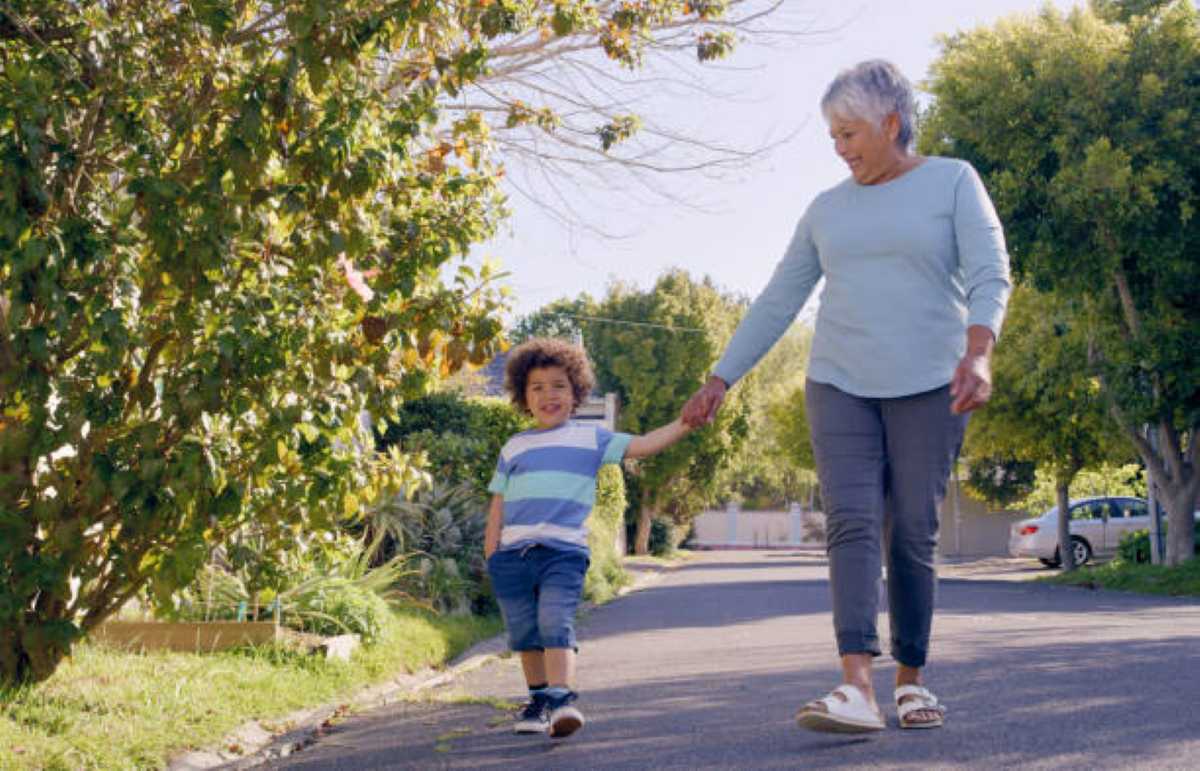

Here’s something most grandkids will never tell you straight out: they want you to notice them. Not just love them — that’s a given. They want you to actually see them. The person they’re turning into, not just the kid they used to be.
But kids are funny about this. They won’t come out and say “hey, pay attention to who I am now.” That would feel weird, maybe even a little embarrassing. So instead, they just quietly hope. They wait to see if you’ll catch it on your own.
The good news? You don’t need some big gesture to make this happen. It’s usually the small stuff — a comment, a question, a “hey, I noticed that” — that means the most. Here are things your grandkids are secretly hoping you’ll pick up on, and easy ways to show them you have.
1. How Much They’ve Grown — In Character, Not Just Height
You know the classic line: “Wow, look how tall you’ve gotten!” Every grandkid has heard it a hundred times. It’s sweet, but honestly? It’s not what they’re hoping to hear.
What really gets them is when you notice who they’re becoming, not just how much space they’re taking up in a room.
Maybe they used to fight with their little brother over everything, and now they’re the one calming him down when he’s upset. Maybe they used to be too nervous to try new things, and now they’re raising their hand to try out for the team or speak up in class. Maybe they’re just… more responsible lately. Remembering their own stuff. Following through on things without being asked twice.
That’s the growth that actually matters to them. And it’s the kind that’s easy to miss if you’re not paying close attention — because it doesn’t show up on a growth chart.
So next time you see them, try swapping the height comment for something more specific. Instead of “look how big you are,” try something like:
“I noticed how patient you were with your little sister earlier. That was really kind of you.”
It doesn’t need to be a whole speech. Just naming the thing you saw is enough. It tells them you’re not just glancing at them — you’re actually watching them grow up, and you like what you see.
2. Their Actual Interests — Not the Ones They Had Two Years Ago
Kids change their interests fast. Like, really fast. The kid who was obsessed with dinosaurs at seven might be all about basketball at nine and deep into drawing anime by eleven. That’s just how it goes.
So when Grandma keeps asking about the dinosaur thing two years after they’ve moved on, it doesn’t feel thoughtful. It actually feels a little off. Like she’s picturing an old version of them instead of who they are right now.
It’s not anyone’s fault — it’s just hard to keep up sometimes. But to a kid, it can feel like being stuck in time. Like nobody noticed they’ve changed at all.
The fix is actually pretty simple. Instead of guessing or bringing up the old interest, just ask:
“What are you into these days?”
Then here’s the part that really matters — remember what they say. Next time you see them, bring it up. Ask how the drawing is going, or if they beat that level in the game they mentioned, or how the team did this season. That’s what tells them you were actually listening, not just being polite.
3. Their Effort, Not Just Results
Here’s something kids feel more than they can explain: they want credit for trying, not just for winning.
Think about it from their side. They practiced piano every day this week. They studied hard for a test. They got up on stage even though their hands were shaking. That takes guts — win or lose, good grade or not.
But if the only time Grandma gets excited is when they bring home an A, or when they actually win the game, it sends a quiet message: the effort didn’t really count. Only the result did.
That’s a heavy thing for a kid to carry, even if they can’t put it into words. It can start to feel like love or pride is something they have to earn by performing well — not something that’s just there for them, no matter what.
So try noticing the effort out loud, before you even get to how it turned out. Something like:
“I heard you practiced every single day this week. That’s some serious dedication.”
Say that whether they nailed the recital or messed up halfway through. The trying is what deserves the applause. The results are just a bonus.
4. When Something’s Off — Even If They Don’t Say It
Kids don’t always have the words for what they’re feeling. Sometimes they don’t even fully know themselves. They just know something feels a little heavy, and they’re quieter than usual, or a bit more withdrawn, or not quite themselves.
They probably won’t walk up and say “hey, I’m having a rough week.” That’s just not how most kids operate, especially the older ones. Instead, they might just get quiet. Stare at their phone a little too long. Give short answers. Not laugh at things that would normally make them laugh.
What they’re secretly hoping is that someone notices. Not in a way that makes a huge deal out of it — that can actually feel worse, like being put on the spot. Just a gentle nudge that says I see you, and I’m here if you want to talk.
That’s it. Nothing dramatic. Just paying enough attention to catch when something’s different.
A simple way to open the door:
“You seem a little quiet today. Want to talk about it, or just want to hang out?”
That second option matters a lot. It gives them a way out if they’re not ready to talk. Sometimes just sitting together, doing something low-key, is exactly what they need — and the fact that you noticed at all is the part that sticks with them.
Read Also: 7 Questions That Make Your Grandkids Feel Safe Enough to Tell You Anything
5. Their Growing Independence
There’s a moment in every kid’s life when they start doing things on their own for the first time. Getting a driver’s license. Landing a first job. Figuring out a problem without asking anyone for help. Handling something — a hard conversation, a tricky situation, a mistake — all by themselves.
To an adult, these might not seem like huge deals. You’ve been driving for decades. You’ve had dozens of jobs. But to a kid experiencing it for the first time, it’s massive. It’s proof that they’re growing up, that they can actually handle things.
What they’re hoping is that Grandma notices this too — and treats it like the big deal it actually is to them. Not in a way that makes them feel less close to you, but in a way that says I see you stepping up, and I’m proud of that.
The easiest way to do this is to be specific. Instead of a general “good job,” try:
“I heard you handled that whole situation on your own. That’s a really big deal.”
Naming the actual thing they did — not just a vague compliment — tells them you’re paying attention to their growth, not just watching from a distance. And that kind of acknowledgment matters more than they’ll probably ever admit out loud.
Love Being a Grandma?

Join 29,000+ grandmas who wake up to a cheerful, uplifting email made just for you. It’s full of heart, sprinkled with fun, and always free. Start your mornings with a smile—sign up below! ❤️
6. The Bond That’s Just Between the Two of Them
Every grandkid has something that’s just theirs with Grandma. Maybe it’s an inside joke nobody else gets. A nickname only she uses. A tradition, like always getting ice cream after a certain event, or watching a specific show together every time they visit. Something small and specific that belongs to just the two of them.
That thing matters way more than it might seem. It’s proof that their relationship with Grandma isn’t just “grandkid stuff” in general — like they’re interchangeable with their cousins or any other kid. It’s proof that what they have together is real, and specific, and remembered.
So when Grandma brings it up out of nowhere — the old joke, the nickname, the tradition — it means something. It tells them: she thinks about us. She remembers our thing.
You don’t need a big moment to do this. Just bring it up naturally, whenever it fits:
“Remember when you used to call me that? Still cracks me up.”
Or just start the tradition again without making an announcement about it. Just show up with the ice cream. Turn on the show. Use the nickname. Small moves like that say more than any big speech ever could.
7. Their Friendships
Kids care a lot more about their friendships than adults sometimes realize. Who they sit with at lunch, who they text after school, who they’re currently having drama with — that stuff takes up a lot of space in their world.
So when Grandma asks “how are your friends?” it’s fine, but it’s kind of… generic. It’s the kind of question you ask when you’re not really tracking the details. It doesn’t feel like she knows anything specific about their life.
But when Grandma asks about a friend by name — that hits different. It tells the kid she’s actually been listening. She remembers who matters to them.
Try something like:
“How’s Maya doing? Are you two still hanging out a lot?”
That one small detail — remembering a name — says a lot more than it seems like it should. It tells them their world is being paid attention to, not just politely acknowledged.
Read Also: The 5 Things Grandkids Value Most About Their Grandmothers, According to Psychology
8. Their Sense of Humor
Kids want their jokes to actually land. Not the kind of laugh adults give just to be nice — kids can spot that fake laugh a mile away. They want a real reaction, the kind that only happens when something’s actually funny.
This matters more than it seems like it should. When a kid cracks a joke and Grandma genuinely laughs, it tells them something important: I’m not just being put up with here. I’m actually funny. People like being around me.
That’s different from just being loved because you’re family. It’s being liked for you — your timing, your randomness, the weird stuff that makes you laugh that maybe nobody else fully gets.
So next time they say something funny, don’t just smile politely and move on. Laugh for real if it’s funny. Bring it up again later:
“I still can’t get over what you said earlier — that was hilarious.”
That tells them their personality is landing loud and clear, and that Grandma genuinely enjoys who they are, not just tolerates them.
9. Their Opinions
As kids get older, they start forming real opinions — about movies, music, decisions, even bigger stuff happening in the world. And they want those opinions to actually count for something. Not just be smiled at and brushed past.
There’s a big difference between being humored and being taken seriously. If a kid shares what they think and the response is just a quick “oh, that’s nice, honey,” it can feel like their thoughts don’t really matter yet — like they’re still just “a kid” and not someone with a real point of view.
But when Grandma actually asks what they think — and then listens, maybe even pushes back a little or asks a follow-up question — it sends a completely different message: I see you as a real person. Your thoughts matter to me.
That’s a big deal to a kid, even if they don’t say so.
Try asking something like:
“What’d you think of that movie? Did you like how it ended?”
And then actually listen to the answer. Ask a follow-up. Disagree if you genuinely do. Treating their opinion like a real opinion — not just kid chatter — tells them they’re being seen as who they’re becoming, not just who they used to be.
Read Also: 7 Things Grandchildren Are Desperate to Hear From Their Grandparents (But Will Never Ask For)
10. Their Style or Self-Expression
At some point, kids start making their own choices about how they look. A new haircut. An outfit they picked out themselves. A style that’s a little different from what they used to wear. This is usually one of the first ways kids figure out how to show the world who they are.
That makes it a little sensitive too. Because when someone comments on it in a negative or backhanded way — even as a joke — it can sting way more than the person saying it realizes. Things like “that’s different” or “are you sure about that haircut?” might seem harmless, but to a kid, it can feel like their choice is being judged, not respected.
What they’re actually hoping for is much simpler: just be noticed, and be noticed kindly. Not judged, not questioned, not compared to how they used to look. Just seen.
A good comment doesn’t have to be over the top. Something like:
“I really like your hair like that — it suits you.”
Or even just:
“That’s a cool jacket. Is that a new style you’re into?”
Simple, genuine, no hidden judgment. That kind of comment tells them their taste is their own, and that it’s being respected — not just tolerated. And that matters a lot when they’re still figuring out who they are.
Conclusion
Here’s the thing about all of these: none of them require a grand gesture. No expensive gift, no big speech, no perfectly planned day. They’re all just about paying attention — noticing the small stuff and saying it out loud.
That’s really what being “seen” comes down to for a kid. It’s not about being told they’re loved in a general way. It’s about someone noticing the specific, real things about who they are — and caring enough to mention it.
You don’t have to tackle all at once. Just pick one. Maybe it’s asking about their current interest instead of an old one. Maybe it’s noticing the effort instead of just the result. Start there, and let the rest follow naturally.
Because at the end of the day, being noticed is its own kind of love. And for a grandkid, knowing that Grandma truly sees them? That’s something they’ll carry for a long, long time.
Love Being a Grandma?
Join 29,000+ grandmas who wake up to a cheerful, uplifting email made just for you. It’s full of heart, sprinkled with fun, and always free. Start your mornings with a smile—sign up below! ❤️