
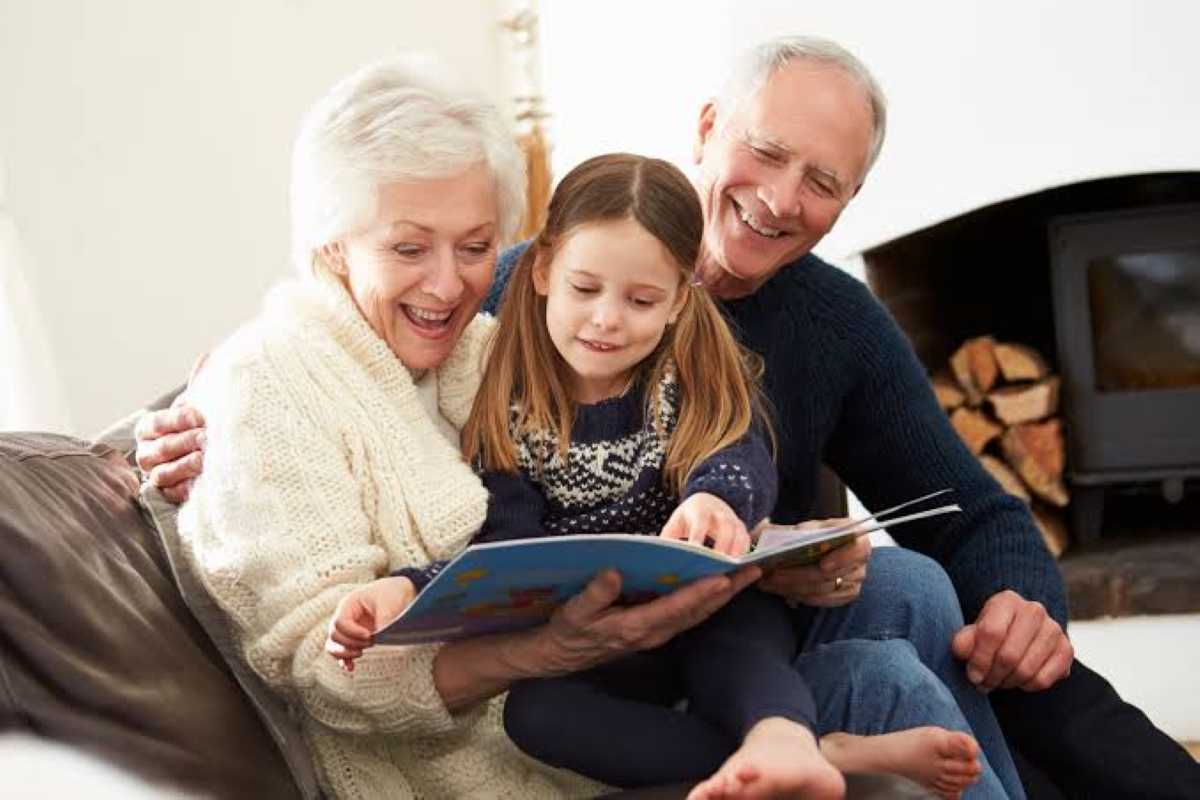

You know those little moments that just… happen out of nowhere? Maybe you’re sitting at the kitchen table, and your grandchild starts telling you about something that happened at school. Or something that’s been bothering them. No big announcement. No “we need to talk.” It just spills out.
And in that moment, you realize something really special—they feel safe with you.
The thing is, that kind of emotional security doesn’t come from big, grand gestures. It’s not about having the best toys or planning the most exciting visits. It’s built slowly, in the background, through the small things you say over and over again. The casual phrases. The way you respond without even thinking about it.
What most people don’t realize is this: those simple words don’t just stay in the moment. They stick. Over time, they become part of how your grandchild sees themselves. The way you talk to them today quietly becomes the voice they carry inside tomorrow.
1. “I’m so glad you’re here.”
This one sounds so simple, but it carries a lot more weight than we think.
A lot of grandparents feel like they have to do something special—have the best snacks ready, plan fun activities, keep the kids entertained every second they’re visiting. But honestly? What kids crave even more than all of that is to feel wanted.
There’s something powerful about being greeted with genuine warmth. Not just “Hi,” but “I’m so glad you’re here.” It tells them, without any confusion, you matter to me. Not because you’re behaving well. Not because you’re fun to be around. Just because you’re you.
And when kids feel that? They relax. They settle in. They don’t feel like they have to perform or earn their place in your home. It becomes a space where they can just be.
Over time, that feeling sticks with them. They may not remember the exact words, but they’ll remember how it felt walking through your door—like they belonged there. Like their presence made someone’s day better. And that kind of feeling? It stays with them for life.
2. “You can always talk to me.”
This is one of those phrases that sounds nice in theory… but the real magic is in how often it’s felt, not just said.
Because here’s the thing—most kids won’t test that statement right away. They’re not going to come running over the first time you say it and suddenly open up about everything on their mind. It doesn’t work like that.
What they do notice is how you react in the small moments. When they tell you something minor—like a silly story from school, or something that didn’t go their way—do you listen? Do you stay calm? Do you make space for it?
That’s what builds trust.
When you consistently respond with patience instead of judgment, curiosity instead of correction, they slowly start to believe you. Not because you said the words once, but because you’ve shown them, over and over, that it’s safe to come to you.
And later on—when things get bigger, messier, more emotional—that’s when it matters most. Emotionally secure kids don’t hesitate as much. They don’t sit there wondering, “Is this too much? Will I get in trouble for saying this?” They already know where they can go.
And more often than not… it’s you.
Read Also: 6 Secret Tricks for Grandmothers to Become Engaging Storytellers for Their Grandkids
3. “I love you no matter what.”
This one goes deeper than we sometimes realize.
A lot of kids grow up feeling like love is tied to behavior. When they’re being good, helpful, successful—they feel it. But when they mess up, disappoint someone, or fall short… that feeling can get shaky.
That’s why this phrase matters so much.
When you say, “I love you no matter what,” you’re separating who they are from what they do. You’re telling them, you can make mistakes, you can have hard days, you can get things wrong—and none of that changes how I feel about you.
And kids need to hear that more than we think.
Because let’s be honest—they’re going to mess up. They’re going to say the wrong thing, make poor choices, have moments they’re not proud of. That’s part of growing up. But when they know your love isn’t on the line, it changes how they handle those moments.
They don’t spiral as much. They don’t hide as much. They don’t feel like one mistake defines them.
Instead, they carry this quiet confidence into the world. Not loud, not showy—just a steady, grounded sense of I’m okay. I’m still loved.
And that kind of security? It stays with them long after childhood.
Love Being a Grandma?

Join 33,762+ grandmas who wake up to a cheerful, uplifting email made just for you. It’s full of heart, sprinkled with fun, and always free. Start your mornings with a smile—sign up below! ❤️
4. “Take your time—I’m listening.”
You know how easy it is to rush kids without even realizing it?
They’re telling a story, and halfway through you’re already finishing their sentences… or gently steering them to “get to the point”… or checking the clock because there’s something else to do. It’s not coming from a bad place—it’s just life.
But to a child, that feeling of being rushed can quietly send a message: what I’m saying isn’t that important.
That’s why this phrase matters so much.
“Take your time—I’m listening” does the opposite. It slows everything down. It tells them, you don’t have to hurry here. Your thoughts matter. Your words are worth waiting for.
And the truth is, it’s not even about the story they’re telling. Half the time, it’s something small or a little all over the place. But what they’re really noticing is how you’re showing up for them in that moment.
When you give them your full attention—no rushing, no interrupting—it teaches them something powerful: my voice matters.
Over time, that sticks. They grow up feeling more confident expressing themselves. They don’t second-guess whether they’re “too much” or “taking too long.” They’ve already learned that the right people will listen.
And for many of them… that starts with you.
5. “It’s okay to feel that way.”
This one can be harder than it sounds.
Because when a child is upset—maybe they’re frustrated, jealous, hurt, or even a little dramatic—our first instinct is often to fix it. To explain it away. To say things like, “It’s not a big deal,” or “You’re okay,” or “Don’t feel like that.”
Again, it comes from a good place. We don’t want them to hurt.
But here’s the thing—when feelings get brushed aside like that, kids don’t learn how to handle them. They learn how to hide them.
That’s why saying, “It’s okay to feel that way,” is so important.
It doesn’t mean you agree with everything. It doesn’t mean you’re encouraging the behavior. It just means you’re giving them permission to have their feelings without shame.
And that changes everything.
When kids feel safe expressing what’s going on inside, they actually move through emotions faster. They don’t get stuck or overwhelmed in the same way. They learn to name what they’re feeling, understand it, and eventually manage it.
That’s where emotional intelligence starts.
And later in life, it shows up in ways you might not even see right away. They become adults who can handle stress better. Who can communicate more openly. Who don’t bottle everything up until it spills over.
All because, at some point, someone they trusted looked at them and said, it’s okay—you can feel this.
Read Also: Grandchildren love visiting when their grandparents do these 7 unexpected things
6. “I’m proud of who you are.”
This one hits a little deeper than it sounds at first.
A lot of the time, kids hear things like “I’m proud of you” when they do something—get a good grade, win a game, behave well. And there’s nothing wrong with that. But over time, it can start to feel like pride is tied to performance.
Like they have to earn it.
That’s why shifting it to “I’m proud of who you are” makes such a difference.
It tells them your pride isn’t based on what they accomplish—it’s rooted in their character. Their kindness. Their effort. The way they treat people. The little things that don’t come with awards or recognition.
And honestly, those are the things that matter most anyway.
When kids hear this consistently, it builds a different kind of confidence. Not the loud, “look at me” kind—but a steady, grounded feeling of I’m good as I am. They don’t feel like they have to constantly prove themselves to be worthy of love or approval.
They carry that into friendships, school, and eventually adulthood.
Because deep down, they know… someone they love sees them clearly—and is proud of them just for being who they are.
Love Being a Grandma?
Join 33,762+ grandmas who wake up to a cheerful, uplifting email made just for you. It’s full of heart, sprinkled with fun, and always free. Start your mornings with a smile—sign up below! ❤️
7. “Let’s figure it out together.”
This is one of those phrases that quietly changes how kids approach challenges.
It’s so easy to jump in and fix things for them. You see them struggling, and your instinct is to step in, solve the problem, and make it all better. That’s just what we do when we care.
But when we always do that, kids don’t get the chance to build confidence in their own ability to handle things.
That’s where this phrase comes in.
“Let’s figure it out together” doesn’t leave them alone—but it also doesn’t take over. It says, you’re not on your own, but I believe you can do this.
And that balance is powerful.
It gives them a sense of support without making them dependent. They start to see challenges as something they can work through, instead of something to avoid or panic over.
And maybe even more importantly, it makes failure feel less scary.
Because when they know someone is beside them—not judging, not taking over, just helping them think things through—they’re more willing to try. To take risks. To mess up and try again.
That’s how resilience is built.
Not by never struggling… but by knowing they don’t have to face it alone.
8. “You make my life better just by being in it.”
This one… this one really stays with a child.
Because most of the time, kids are used to hearing feedback based on what they do—how they behave, how they perform, how they act in a given moment. Even love and praise can sometimes feel tied to that.
But this phrase is different.
“You make my life better just by being in it” has nothing to do with behavior. It’s not about whether they were good that day, or helpful, or easy to be around. It’s about their existence. Their presence. Who they are at their core.
And that’s powerful.
When a child feels valued like that, it creates something really deep. They don’t feel like they have to earn their place in your life. They don’t feel like they have to be “on” all the time or meet some expectation to be loved.
They just… belong.
And that sense of belonging becomes part of them. It roots them. It gives them this quiet, steady feeling of I matter, even on their worst days.
Years later, they might not remember the exact moment you said it. But they’ll carry the feeling. It shows up in how they see themselves, how they let people love them, how they move through the world.
It’s one of those things that echoes long after the words are gone.
Read Also: Grandkids Who Grow Up Understanding the Importance of Family Have Grandmas Who Do These 8 Things
Final Thoughts
If you really think about it, kids don’t remember everything.
They won’t remember every visit, every meal, or every little thing you did together. Those details fade over time.
But how you made them feel? That sticks.
The tone of your voice. The way you looked at them when they talked. The feeling of being safe, seen, and truly cared for—that’s what stays with them.
And the words you say, especially the simple ones, slowly become part of that.
They turn into the voice in their head when they’re unsure of themselves. The quiet reassurance they fall back on when life feels overwhelming. The way they learn to talk to themselves… and eventually, how they talk to others.
That’s the real impact.
So it’s not about saying everything perfectly. It’s not about having the “right” phrase every time or getting it right in every moment. No one does.
What matters is consistency. Showing up. Letting your words match the love you already feel.
Because in the end, it’s those small, repeated moments—the ones that don’t feel like a big deal at the time—that shape how your grandchild carries your love with them for the rest of their life.
Love Being a Grandma?
Join 33,762+ grandmas who wake up to a cheerful, uplifting email made just for you. It’s full of heart, sprinkled with fun, and always free. Start your mornings with a smile—sign up below! ❤️
Wonderful statements.. we have 16 grands from 30 to 7 … said some of those things to all..
Thank you for your kind words! They mean more than you know. 🫶🏻