
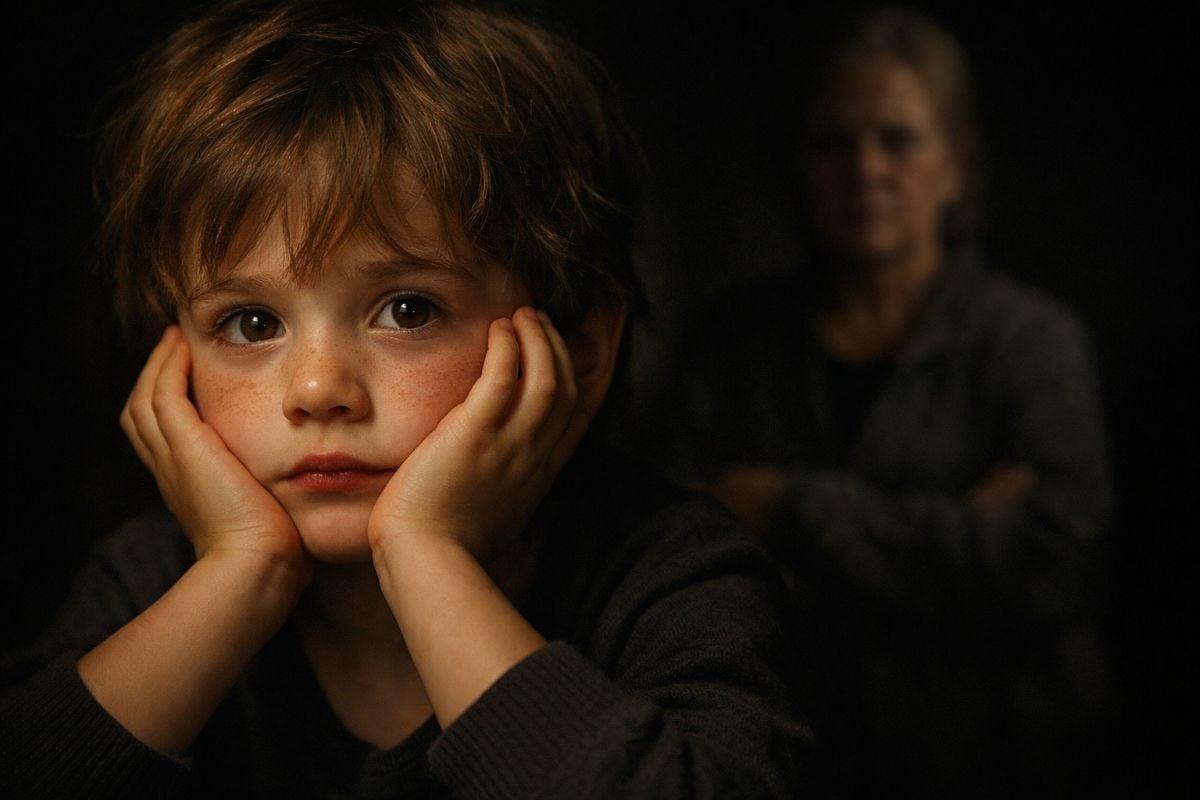

Most grandmas mean well. Truly.
They love deeply, worry endlessly, and just want their grandkids to turn out okay.
But sometimes—without realizing it—a few offhand comments, “helpful advice,” or old-school phrases can land a lot heavier than we intend. What sounds harmless to us can quietly stick with a child… shaping how they see themselves long after the moment has passed.
If you’ve ever said something and later thought, “Oh no… I hope that didn’t hurt them,” you’re not a bad grandma. You’re a human one.
Let’s talk about some common things many grandmas say—lovingly, casually, automatically—that can unintentionally chip away at a grandchild’s confidence… and what we can say instead.
1. “You’re too sensitive.”
💔 This makes children feel like their emotions are a weakness rather than a natural part of being human.
❤️ Instead, say: “I can see that really affected you. Do you want to talk about it?”
2. “Why can’t you be more like your brother/sister/cousin/friend?”
💔 Comparisons make kids feel like they’ll never measure up.
❤️ Instead, say: “You’re special in your own way, and I love who you are.”
3. “That’s easy—why are you struggling?”
💔 This can make them feel embarrassed for finding something hard.
❤️ Instead, say: “Some things take time. You’ll get there.”
4. “You always mess things up.”
💔 Labels like this stick and can become how they see themselves.
💖 Instead, say: “Mistakes happen. Let’s figure this out together.”
5. “You’re not very good at that.”
💔 Children may stop trying because they believe they’ve already failed.
❤️ Instead, say: “You’re still learning—and that’s okay.”
6. “You’re overreacting.”
💔 This dismisses their feelings and teaches them to hide emotions.
❤️ Instead, say: “It feels big to you, and that matters.”
7. “That’s nothing to cry about.”
💔 It teaches kids that their feelings aren’t important.
❤️ Instead, say: “I can see you’re upset. I’m here.”
8. “Big kids don’t get scared.”
💔 This makes children feel ashamed of normal fears.
❤️ Instead, say: “Everyone feels scared sometimes—even grown-ups.”
9. “You shouldn’t feel that way.”
💔 Kids may learn to doubt their own emotions.
❤️ Instead, say: “Your feelings make sense to me.”
10. “Stop being so dramatic.”
💔 This can make children feel like they’re a burden.
❤️ Instead, say: “Tell me what’s going on.”
11. “You should be ashamed of yourself.”
💔 Shame silences learning and damages self-worth.
❤️ Instead, say: “That wasn’t a good choice, but we can fix it.”
12. “That was stupid.”
💔 Attacks their identity instead of the behavior.
❤️ Instead, say: “That didn’t work out—let’s try again.”
13. “Everyone is staring at you.”
💔 Creates embarrassment and anxiety about being seen.
❤️ Instead, say: “You’re okay. I’ve got you.”
14. “You’re embarrassing me.”
💔 Teaches children their worth depends on appearances.
❤️ Instead, say: “Let’s step aside and talk quietly.”
15. “Act your age.”
💔 Makes kids feel wrong for being who they are.
❤️ Instead, say: “Let’s figure out what you need right now.”
16. “That’s a dumb question.”
💔 Discourages curiosity and confidence.
❤️ Instead, say: “That’s a good question—let’s think about it.”
17. “Because I said so.”
💔 Shuts down understanding and trust.
❤️ Instead, say: “Here’s why this matters.”
18. “Stop asking so many questions.”
💔 Teaches children curiosity is annoying.
❤️ Instead, say: “I love how curious you are.”
19. “You’re doing it wrong—give it here.”
💔 Makes kids feel incapable.
❤️ Instead, say: “Want help, or do you want to try again?”
20. “You don’t need to know that.”
💔 Can make kids feel dismissed or unimportant.
❤️ Instead, say: “That’s a great thing to wonder about.”
21. “You’re lazy.”
💔 Labels can follow kids for life.
❤️ Instead, say: “You seem tired—do you need a break?”
22. “You’ve always been shy.”
💔 Boxes them into an identity they may outgrow.
❤️ Instead, say: “You open up in your own time.”
23. “You’re not the creative type.”
💔 Closes doors before kids can explore.
❤️ Instead, say: “Creativity shows up in so many ways.”
24. “That’s not for kids like you.”
💔 Limits dreams and possibilities.
❤️ Instead, say: “You can explore anything that interests you.”
25. “You’ll never change.”
💔 Makes mistakes feel permanent.
❤️ Instead, say: “We all grow and learn.”
26. “I love you, but…”
💔 The “but” can make love feel conditional.
❤️ Instead, say: “I love you—always. Let’s talk about this.”
27. “If you keep acting like this, I won’t want to be around you.”
💔 Creates fear of abandonment.
❤️ Instead, say: “I love you, and this behavior needs to stop.”
28. “You’re fine.”
💔 Can make kids feel unheard.
❤️ Instead, say: “Tell me how you’re feeling.”
29. “Why are you like this?”
💔 Makes children feel broken.
❤️ Instead, say: “Help me understand what’s going on.”
30. “I’m disappointed in you.”
💔 Can feel like love is slipping away.
❤️ Instead, say: “I know you can do better, and I’m here to help.”
The good news? Words can heal just as powerfully as they can hurt. A single moment of encouragement, understanding, or unconditional love can outweigh years of doubt.
Being a grandma isn’t about being perfect—it’s about being present, learning, and loving a little better each day.
When we choose words that lift instead of label, that listen instead of dismiss, we give our grandkids something priceless: the confidence to believe in themselves and the comfort of knowing Grandma is always a safe place.
Love Being a Grandma?

Join 33,762+ grandmas who wake up to a cheerful, uplifting email made just for you. It’s full of heart, sprinkled with fun, and always free. Start your mornings with a smile—sign up below! ❤️
How about we talk about looking after the grandmothers! Looking after the little ones these days can be very stressful and tiring. We do it to help out because we love our family. Expectations on us can be hard. The “old ways” seem to be discarded and ridiculed. I am all for change and progression but if It “ ain’t broke don’t fix it” 😊
Thank you for the input Nancy! Will publish more on your suggestions!