
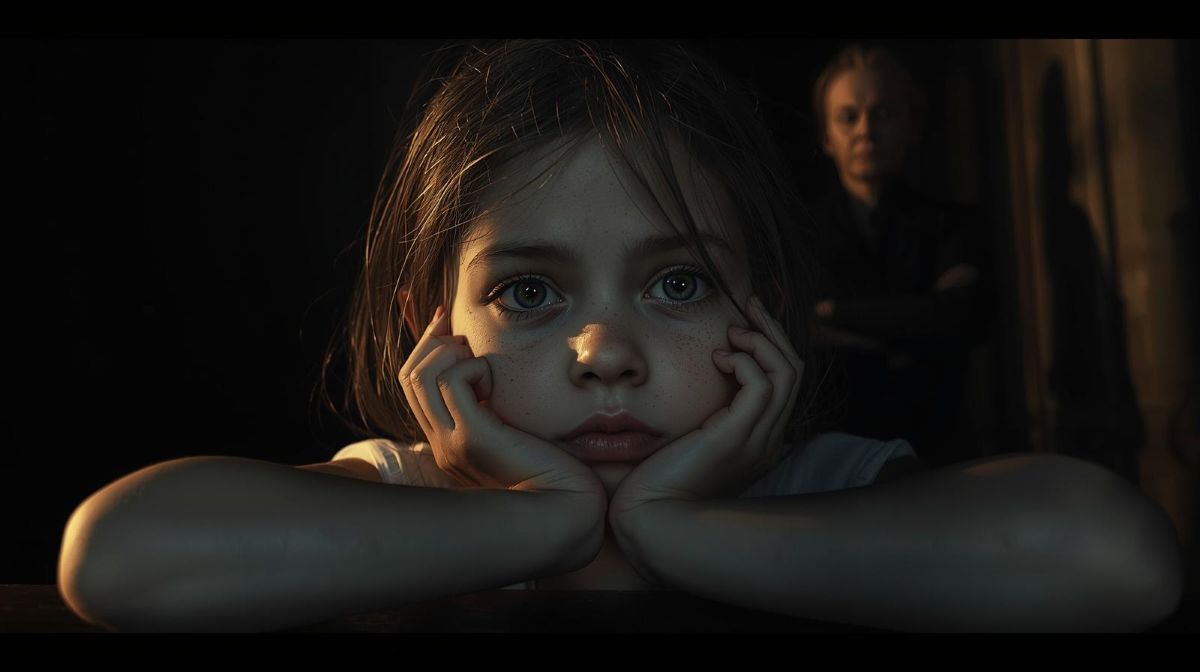

Your grandchild may forget what you gave them—but they’ll never forget how you made them feel.
Most grandmas speak from a place of love. We’re trying to help, protect, guide, or toughen our grandkids up for the world. And many of the things we say? They’re the same phrases we heard growing up. They feel normal. Familiar. Even harmless.
But here’s the part we don’t always realize in the moment: children hear our words differently than we intend them. What feels like a passing comment to us can quietly settle into a child’s heart and stay there far longer than we expect. Kids don’t have decades of life experience to filter things out yet. They often take our words as truth—especially when they come from someone they deeply love and trust.
That’s where the gap between well-intended and well-received can show up. You might be trying to motivate, correct, or prepare them… while they hear, “I’m not good enough” or “Something is wrong with me.” And that can happen even when your tone is gentle.
This article isn’t about guilt. Truly. Every grandma has said at least one of these things (most of us have said several). This is simply about awareness—so we can pause, soften, and choose words that lift our grandkids up instead of unintentionally tearing them down. The good news? A few small shifts in language can make a huge difference.
Statements That Undermine Confidence
These phrases may seem harmless but can quietly chip away at self-belief.
Confidence in kids is fragile. It’s still forming. And when children are learning something new—whether it’s reading, tying shoes, making friends, or handling big emotions—they’re already unsure of themselves. That’s when our words matter most.
Statements like “You’re not very good at that” or “That’s easy—why are you struggling?” can land harder than we realize. Even if we’re just being honest or trying to push them a little, kids often hear these comments as a verdict on who they are, not just what they’re doing.
Comparisons can be especially painful. Saying “Why can’t you be more like your brother or sister?” may seem like encouragement, but to a child, it can feel like they’re constantly falling short. Over time, this can teach them to doubt their abilities—or stop trying altogether.
And phrases like “You’re too sensitive” or “You always mess things up” can quietly become labels they carry with them. Kids start to believe these things describe them permanently, not temporarily.
Soft reframe idea:
Instead of focusing on natural ability or mistakes, focus on effort and growth. Simple shifts like:
- “You’re still learning, and that’s okay.”
- “I can see you’re really trying.”
- “Everyone struggles before they get better.”
Those kinds of words tell your grandchild: You’re capable. You’re safe to try. And I believe in you. And that belief? It’s one of the greatest gifts a grandma can give.
Statements That Dismiss Feelings
When emotions are brushed aside, kids learn to bottle them up.
Many of us grew up hearing things like “Stop crying” or “You’re fine.” So when those same words slip out of our mouths, it’s usually not because we don’t care — it’s because we’re trying to help our grandkids feel better quickly. We want the tears to stop. We want the fear to pass. We want them to be okay.
But here’s the tricky part: when we say things like “That’s nothing to cry about” or “You’re overreacting,” children don’t hear comfort. They hear that their feelings are wrong, inconvenient, or too much.
A child who’s told “Big kids don’t get scared” may learn to hide their fear instead of asking for reassurance. A child who hears “You shouldn’t feel that way” might start believing their emotions can’t be trusted. And over time, those bottled-up feelings don’t disappear — they just come out later in other ways.
The truth is, what feels small to us can feel huge to a child. A broken toy, a harsh word from a friend, or a new situation can overwhelm them because they’re still learning how the world works. They’re not being dramatic — they’re being human.
Soft reframe idea:
You don’t have to fix the feeling to help. Often, the most powerful thing a grandma can say is:
- “I can see you’re really upset.”
- “That sounds scary.”
- “It’s okay to feel this way.”
Once a child feels understood, they calm down faster — and they learn that emotions are safe to express with you.
Read Also: 8 Reasons Why Grandkids Feel the Need to Lie to Their Grandparents (And How to Avoid Them)
Statements That Create Shame or Embarrassment
Shame doesn’t teach—it silences.
Shame is heavy, especially for children. Words like “You should be ashamed of yourself” or “That was stupid” don’t just correct behavior — they can make a child feel bad about who they are.
And phrases like “Everyone is staring at you” or “You’re embarrassing me” can cut deeply. Even when said in frustration, they tell a child that their worth is tied to how others see them. That can make them anxious, self-conscious, and afraid to make mistakes.
When kids feel embarrassed in front of others, their brains often shut down. They’re no longer learning the lesson — they’re just trying to escape the feeling. That’s why shame rarely leads to better behavior. It usually leads to silence, avoidance, or resentment.
Most grandmas don’t mean to shame. We’re tired. We’re flustered. We’re reacting in the moment. But children remember how it felt — especially when it happened in public.
Soft reframe idea:
Whenever possible, correct privately and protect their dignity publicly. Gentle alternatives might sound like:
- “Let’s talk about this later.”
- “That choice didn’t work out, but we can fix it.”
- “Everyone makes mistakes. This is how we learn.”
When a child knows their grandma will protect them — even when they mess up — they feel safe, secure, and deeply loved. And that safety is what actually helps them grow.
Statements That Discourage Curiosity and Growth
Curiosity is how kids learn who they are and what they love.
Kids are naturally curious. They ask questions because they’re trying to make sense of the world — and honestly, sometimes they ask a lot of them. The same question over and over. At the worst possible moment. When we’re tired, distracted, or already out of patience.
That’s usually when phrases like “That’s a dumb question” or “Stop asking so many questions” slip out. We don’t mean to shut them down — we just need a break. But to a child, those words can feel like a door slamming shut.
When a child hears “You don’t need to know that” or “Because I said so,” they may stop asking — not because they’ve learned, but because they’ve learned it’s safer to stay quiet. Over time, that can dull their natural curiosity and make them second-guess their thoughts.
Even something like “You’re doing it wrong—give it here” can send an unintended message. Instead of learning, they hear, “I can’t do this myself.” And if that happens often enough, kids may stop trying altogether and wait for someone else to take over.
The truth is, curiosity can be messy. It takes time. It requires patience. And yes — it can be exhausting. But curiosity is also how kids discover their interests, build confidence, and learn that it’s okay to explore and make mistakes.
Soft reframe idea:
You don’t have to have all the answers or infinite patience. Simple shifts can keep curiosity alive:
- “That’s a good question — let’s think about it.”
- “I don’t know, but we can find out.”
- “You’re still learning. Keep trying.”
Those kinds of responses tell your grandchild: Your thoughts matter. You’re allowed to wonder. You’re allowed to try.
Read Also: 7 Loving Ways to Say No to Your Grandchild’s Request Without Hurting Their Feelings
Statements That Pressure or Limit Identity
Labels stick—especially the negative ones.
Children are constantly figuring out who they are. And the labels they hear from the people they love most — especially grandparents — tend to stick.
Calling a child “lazy” might feel like a way to push them, but kids often hear it as, “This is who I am.” Saying “You’ve always been shy” may seem harmless, yet it can quietly box them into an identity they feel they can’t outgrow.
Statements like “You’re not the creative type” or “That’s not for kids like you” can close doors before a child even realizes they exist. They may stop exploring interests, talents, or dreams simply because someone they trust made it sound impossible or unrealistic.
And perhaps one of the heaviest phrases of all is “You’ll never change.” To a child, that can feel final — like there’s no room to grow, improve, or become something new. It can make mistakes feel permanent instead of temporary.
Most of the time, grandmas say these things without meaning to limit anyone. We’re speaking from patterns we’ve noticed or from frustration in the moment. But kids don’t hear patterns — they hear predictions about their future.
Soft reframe idea:
Try speaking to who they’re becoming, not who they were yesterday:
- “You’re still figuring this out.”
- “You might surprise yourself.”
- “People grow and change all the time.”
When a child hears that growth is possible, they start to believe in themselves. And when that belief comes from grandma? It’s powerful. It gives them permission to try, fail, learn, and become exactly who they’re meant to be.
Statements That Compare or Threaten Love
Nothing feels heavier to a child than conditional love.
Most grandmas love their grandkids fiercely. Unconditionally. Without question. So when phrases like “I love you, but…” slip out, it’s almost never because love is actually being withheld. It’s usually said in frustration, exhaustion, or in an attempt to correct behavior quickly.
But to a child, that little word “but” can change everything.
When kids hear “I love you, but you’re being bad” or “I love you, but this makes me disappointed,” they don’t hear reassurance. They hear uncertainty. They start to wonder, “Is grandma’s love tied to how I behave right now?” And that’s a scary place for a child to be.
Even heavier are statements like “If you keep acting like this, I won’t want to be around you.” In the heat of the moment, it may feel like a way to get their attention — but to a child, it can sound like rejection. Like love and presence are something they could lose.
Children don’t yet have the emotional maturity to separate behavior from belonging. They don’t hear, “Grandma doesn’t like what I’m doing.” They hear, “Grandma doesn’t want me.”
And once that seed of doubt is planted, kids may become anxious, people-pleasing, or fearful of making mistakes — not because they want to do better, but because they’re afraid of losing love.
Soft reframe idea:
The most powerful message a grandma can send is: “Nothing you do can make you unlovable.”
That doesn’t mean allowing bad behavior — it means correcting it without threatening the relationship.
Gentler alternatives might sound like:
- “I love you no matter what — and this behavior needs to stop.”
- “I don’t like what’s happening right now, but I always want to be with you.”
- “We’ll work through this together.”
When a child knows love is steady, even in hard moments, they feel safe enough to learn, grow, and try again.
Grandma Words Can Be a Safe Place
Being a grandma doesn’t mean getting it right all the time. It means showing up with love — again and again — even after hard moments, even after the words didn’t come out the way you wished they had.
The beautiful thing is this: kids are incredibly forgiving. One gentle sentence can undo a dozen rushed or frustrated ones. A hug, a soft tone, or a simple “I didn’t mean to hurt your feelings” can heal more than we realize.
This isn’t about walking on eggshells or being perfect. It’s about choosing connection over control. Curiosity over criticism. Kindness over correction when possible.
Your words can be a safe place your grandchild returns to for the rest of their life. A place where they feel seen. Accepted. Loved — even on their worst days.
And when you stumble? That’s okay. Love spoken clearly and consistently always finds its way through.
Love Being a Grandma?

Join 33,762+ grandmas who wake up to a cheerful, uplifting email made just for you. It’s full of heart, sprinkled with fun, and always free. Start your mornings with a smile—sign up below! ❤️
I LOVE reading these articles! They really make me think about my responses to my grands 🤗
You’re most welcome! ❤️