


Japan just reached a milestone that’s making people around the world stop and smile. Nearly 100,000 people there are now 100 years old or older. That’s a lot of birthday candles.
But here’s the beautiful part. They didn’t get there because of secret potions, fancy diets, or expensive health trends. There’s no magic pill hiding in a drawer.
Instead, their long lives come from simple things done every day. How they move. How they think. How they stay connected to other people. Small choices, made again and again, over many years.
It’s a gentle reminder that a good, long life isn’t about chasing the latest wellness craze. Sometimes, it’s about living with care, purpose, and connection — one ordinary day at a time.
A Nation Growing Older — With Grace

Japan is growing older in a beautiful way. As of September 1, 2025, nearly 100,000 people there are now 100 years old or more. That number has gone up every year for over five decades. Most of these long-living folks are women, which has been true for a long time.
It didn’t happen overnight. Back in 1963, Japan had only 153 people who reached 100. By the late 1990s, that number grew to 10,000. In 2012, it passed 50,000. And it kept climbing. Step by step. Year by year.
Of course, this brings new questions. Fewer babies are being born, and fewer people are working. That means Japan is learning how to care for many older adults while keeping everyday life running smoothly. It’s a challenge — but also a sign of something done right.
The “Secret” Isn’t a Secret at All
Here’s the part I love most. There’s no big secret behind Japan’s long lives. No miracle food. No magic routine. Just simple habits, done gently and often.
Think of it like saving a little money each day. Over time, it adds up. Small things — eating well, staying active, visiting the doctor, and staying close to friends — slowly build a strong, healthy life.
Japan also made it easier for people to live this way. Healthcare is within reach. Nutritious food is part of daily life. Communities look out for one another. People aren’t fighting against their surroundings just to stay healthy.
It’s a quiet lesson for all of us. A long, meaningful life doesn’t come from shortcuts. It grows from care, connection, and many small choices made with love — one ordinary day at a time.
Purpose and Connection: The Invisible Ingredients
One of the most beautiful parts of Japan’s long lives isn’t something you can see on a plate or measure on a scale. It’s purpose and connection.
In Japan, there are two simple ideas that explain this so well.
Ikigai means having a reason to get up in the morning — something that makes life feel meaningful.
Moai means having a small circle of close friends who support one another through life.
In Okinawa, often called the “Land of Immortals,” researchers have studied people who live very long lives for many years. What keeps showing up isn’t just food or exercise. It’s friendship, shared responsibilities, and a calmer way of living.
Science agrees. Feeling lonely doesn’t just hurt the heart emotionally — it hurts the body, too. Loneliness can raise stress, weaken the immune system, and increase the risk of illness. Feeling connected does the opposite. It helps the body stay stronger and the mind stay clearer.
In Japan, many older adults stay active in their communities. They are seen, needed, and valued. That sense of belonging acts like a quiet shield, protecting both heart and health.
Everyday Habits That Quietly Add Years
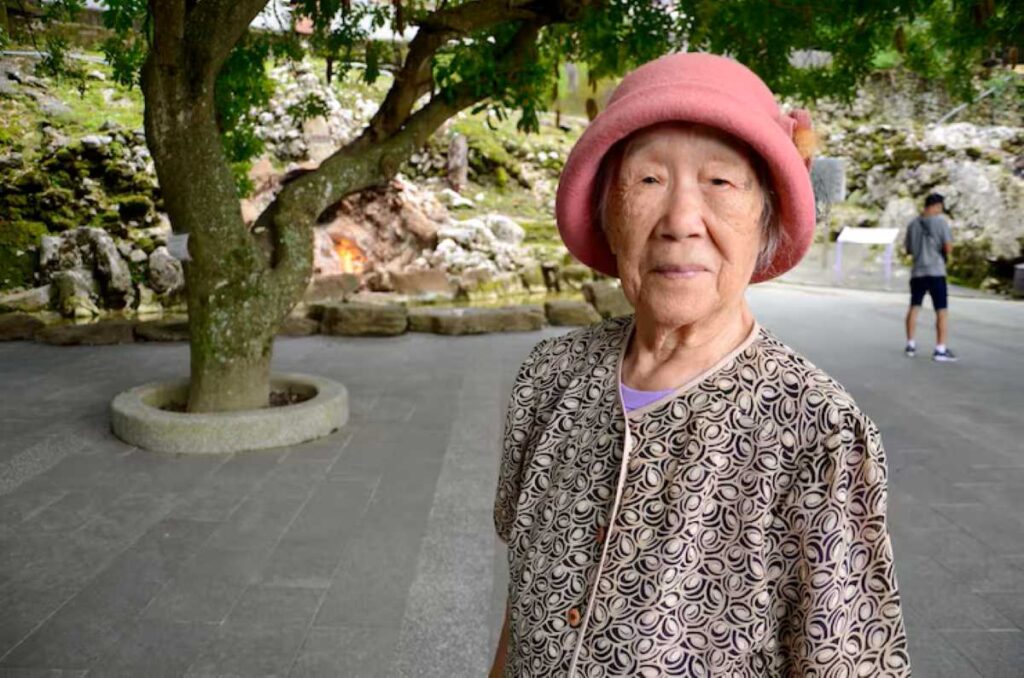
Japan’s centenarians aren’t chasing extreme health plans. Their habits are simple, steady, and part of everyday life.
Eating wisely, not perfectly
Meals are balanced and colorful, with vegetables, fish, soy, and fermented foods. Portions are smaller, too. In Okinawa, people follow a gentle rule called hara hachi bu, which means stopping when you feel about 80% full. It’s not about dieting. It’s about listening to your body.
Moving naturally
You won’t see many elders glued to gym machines. Instead, they move all day without thinking about it. They walk to the store, tend gardens, clean their homes, and help care for family. These small movements keep their bodies strong and flexible.
Staying socially connected
Friends meet often. They talk, laugh, share meals, and look out for one another. These friendships help prevent loneliness and remind people they are never alone.
Caring for health early
Regular checkups are part of life. Problems are found early and handled before they grow bigger. Staying healthy isn’t left to luck — it’s cared for gently, year after year.
It’s a comforting lesson. Long life doesn’t come from doing everything right. It comes from living with balance, staying connected, and taking small, loving steps every single day.
A Gentle Reality Check
Here’s an important truth we can’t ignore. Not everyone starts life on the same footing. Some people have safe homes, steady jobs, and good healthcare. Others don’t. When those basics are missing, telling someone to “just live healthier” can feel empty and unfair.
Japan’s story reminds us of something bigger. Long life isn’t just about luck or willpower. It’s about design. It grows where people are supported — where elders are cared for, health problems are caught early, and communities make room for everyone.
For other countries, the goal isn’t to copy Japan step by step. The real challenge is to build systems that help all people age with dignity and care. Because a long, healthy life shouldn’t be a privilege. It should be a fair chance we all share.
Love Being a Grandma?

Join 29,000+ grandmas who wake up to a cheerful, uplifting email made just for you. It’s full of heart, sprinkled with fun, and always free. Start your mornings with a smile—sign up below! ❤️