
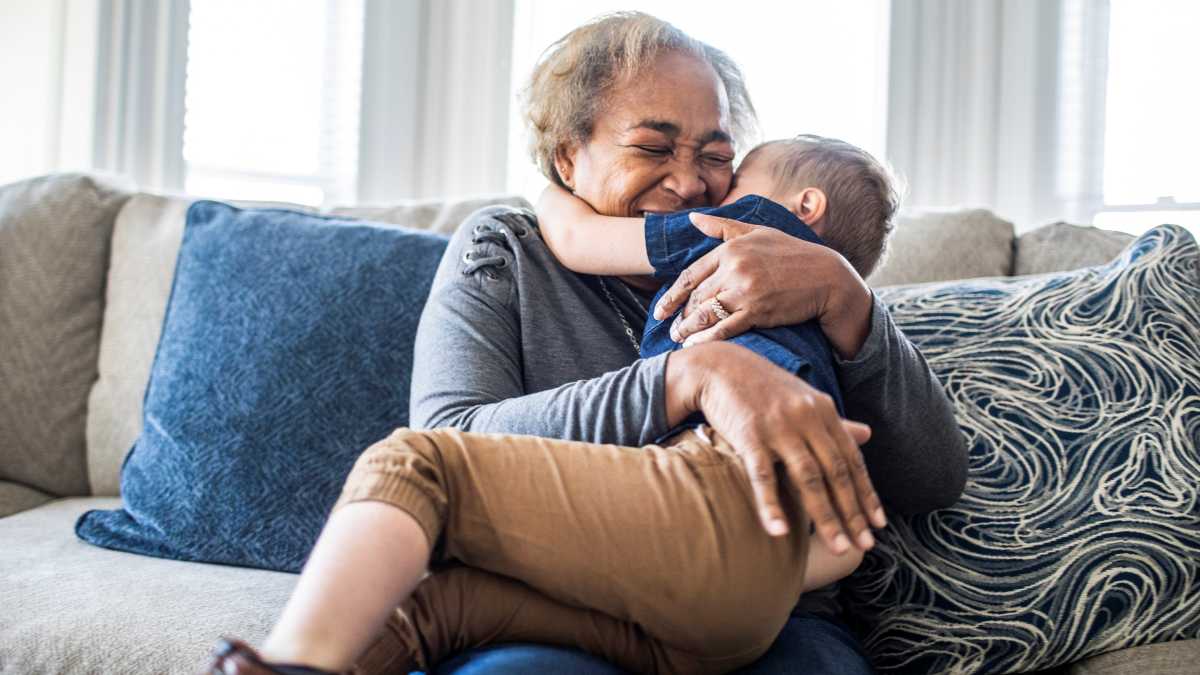

“Sometimes the most loving thing we can say isn’t meant to make feelings go away—it’s meant to make space for them.”
Let’s start with this truth: grandmas say loving things because they are loving.
We comfort. We encourage. We want tears to stop and smiles to come back. When a child is upset, our hearts want to make it better right away. That instinct comes from care, not criticism.
Most of us grew up in a time when feelings were brushed aside quickly. We were taught to be strong, tough it out, and move on. So when we say certain phrases today, we’re often repeating what once helped us survive.
But here’s the gentle shift many therapists talk about now: sometimes, a phrase meant to help can quietly miss the mark.
Child therapists say they hear the same words again and again in their offices. Not from cold or uncaring adults—but from grandparents who love their grandkids more than anything.
That’s what makes this worth talking about.
The “Well-Meaning” Phrase Therapists Are Concerned About
The phrase is simple. Most of us have said it without a second thought:
“You’re fine.”
Grandmas say this for many loving reasons.
We say it to calm a child down when they’re crying.
We say it to help them be brave.
We say it because we don’t want them stuck in sadness or fear.
Sometimes we even say it with a hug or a smile, hoping our calm will rub off on them.
And it’s important to say this clearly: when a grandma says “you’re fine,” she is almost always trying to help—not rush, ignore, or dismiss.
The intention is loving.
The heart behind it is good.
But what matters just as much as intention… is how the words feel to the child.
Why Child Therapists Say This Phrase Can Be Harmful
Therapists explain this gently, not as a criticism.
When a child is upset and hears “you’re fine,” it can send a confusing message. The child feels upset, scared, or hurt—but they’re being told they’re okay.
Over time, this can cause a few quiet problems.
A child may start to feel like their feelings don’t matter.
They may learn to question their own emotions.
They may decide it’s better to stay quiet than speak up.
Inside, they might think:
“I shouldn’t feel this way.”
And when kids believe their feelings are wrong, they often stop sharing them.
Not because they don’t trust you—but because they don’t trust themselves.
What Kids Are Really Hearing When We Say It
This is the hardest part, because it’s not what grandmas mean at all.
But when a child hears “you’re fine,” they may hear something very different.
They might hear:
“My feelings are wrong.”
“I should stop crying.”
“I’m making a big deal out of nothing.”
To a child, those words can feel like a gentle door closing.
Again, this isn’t because grandma did anything wrong. It’s because kids don’t yet know how to separate love from language. They only know how words land in their hearts.
The good news?
A small change in words can make a big difference.
And the fact that you’re reading this means you already care deeply about how your grandchild feels—and that matters more than any phrase ever could.
Why This Phrase Is So Hard to Let Go Of
For many grandmas, this phrase feels normal and familiar.
A lot of us grew up hearing things like:
“Be tough.”
“Shake it off.”
“You’re okay.”
Feelings weren’t talked about much back then. Crying was something you were expected to get over quickly. And for many of us, that’s how we learned to cope.
So if you’ve used this phrase for years, please hear this: you didn’t do anything wrong.
Letting go of “you’re fine” doesn’t mean you failed.
It means you’re learning something new—just like kids do.
Parenting and grandparenting change over time. What we know now is different from what we knew then. Growing doesn’t erase the past; it simply adds wisdom to it.
And the fact that you’re willing to adjust your words shows just how much you care.
What to Say Instead (Simple Swaps That Work Better)
The good news is, you don’t need fancy words or long speeches.
Small, simple swaps work beautifully.
Instead of “You’re fine,” you might try:
- “That looks like it hurt.”
- “I can see you’re upset.”
- “Do you want a hug or a minute?”
These phrases do something powerful. They name the feeling instead of brushing past it.
And here’s something that surprises many grandmas:
When kids feel understood, they actually calm down faster—not slower.
Feeling seen helps their little bodies relax. Once they feel safe, the tears often stop on their own.
You’re not encouraging big emotions—you’re helping kids move through them.
And sometimes, the most comforting thing a grandma can say is simply:
“I’m here.”
A Small Change That Made a Big Difference
One afternoon, my granddaughter tripped while running in the backyard. She scraped her knee and started to cry. Without thinking, the words almost came out: “You’re fine.”
But I caught myself.
Instead, I knelt down and said,
“That looks like it hurt.”
She paused. Took a breath. Then nodded.
I held her close and asked,
“Do you want a hug or a minute?”
She wrapped her arms around me tight. After a moment, the tears slowed. A minute later, she was back on her feet, smiling again.
That day showed me something important.
She didn’t need me to make the feeling go away.
She just needed me to understand it.
And once she felt that, she really was fine.
Submitted by Cynthia from Massachusetts
A Gentle Closing for Grandmas
Let’s end with this truth: no grandma gets it right all the time.
We all say things we wish we could take back. We all learn as we go. That doesn’t make you a bad grandma—it makes you a human one.
What matters most is love paired with awareness. When you care enough to notice how your words land, you’re already doing something beautiful.
And remember, it’s never too late to grow alongside your grandkids. Whether they are little, grown, or somewhere in between, your words still matter.
The gentle phrases you choose today often become the quiet voice your grandchild carries tomorrow—the one that says,
“My feelings matter. I am safe. I am loved.”
And that is a gift no one ever forgets.
Read Also: This Simple Sentence Makes Grandkids Feel Safe Talking to You (Even About Hard Things)
Love Being a Grandma?

Join 29,000+ grandmas who wake up to a cheerful, uplifting email made just for you. It’s full of heart, sprinkled with fun, and always free. Start your mornings with a smile—sign up below! ❤️