
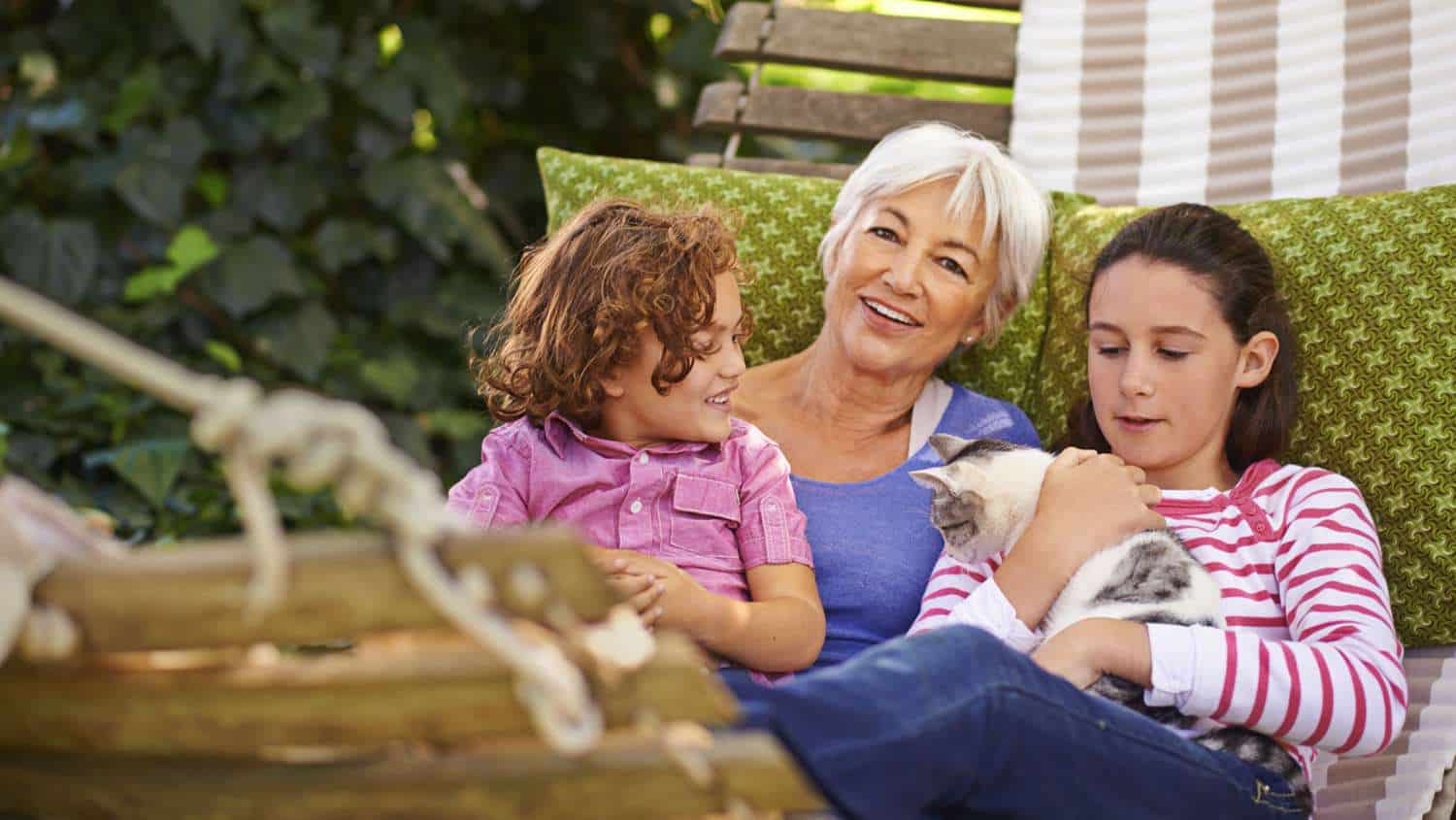

There’s something powerful about being a grandparent.
You’ve lived through seasons your grandkids can’t even imagine yet. You’ve seen heartbreak and healing. You’ve made mistakes, learned lessons the hard way, and gathered wisdom that didn’t come from a book — it came from living.
Parents are busy raising children day by day. They’re teaching homework habits, bedtime routines, and how to tie shoes. But grandparents? We often shape something deeper. We help shape values. Character. Perspective.
And the beautiful thing is — we don’t usually do it with lectures.
We do it while baking cookies.
While sitting on the porch.
While listening to their little stories that somehow turn into big life talks.
Our lessons are tucked inside ordinary moments. A gentle correction. A story from “back when I was your age.” A quiet hug after they’ve had a hard day.
We’re not here to be perfect. (Heavens knows we aren’t.) We’re here to plant seeds.
Seeds of kindness.
Seeds of resilience.
Seeds of integrity.
And one day — long after they’ve outgrown our laps — those seeds will bloom.
Here are seven meaningful pearls of wisdom we can pass on to our grandchildren to help guide them through life.
“Treat others the way you want to be treated.”
If there’s one lesson that never goes out of style, it’s this one.
In a world that celebrates popularity, status, and “winning,” empathy still wins in the long run. Being kind will take a child further in life than being the smartest kid in the room.
Think about the everyday moments your grandchild faces.
The playground disagreement.
The sibling argument over who gets the bigger slice.
The friend at school who didn’t get invited to the party.
These little situations are where character is formed.
Sometimes the most powerful thing we can ask is,
“How would you feel if someone did that to you?”
That simple question plants empathy in their heart. It helps them pause. It helps them see beyond themselves.
And here’s the part we can’t forget — they’re watching us.
They notice how we treat the cashier at the grocery store.
How we speak about neighbors.
How we respond when someone makes a mistake.
If we’re patient with the waiter who got our order wrong, they see that.
If we say “thank you” sincerely and look someone in the eye, they see that too.
Grandchildren learn far more from what we model than what we preach.
And when you catch them being kind? Say something.
“I’m so proud of how you shared.”
“That was thoughtful of you.”
Praise builds what you want to see repeated.
Over time, this lesson shapes more than just good behavior. It shapes friendships. Marriages. Work relationships. It builds adults who are respected, trusted, and loved.
And years from now, when they choose kindness in a hard moment, they may not even realize it started with you.
But it did.
“What you put into the world comes back to you — good or bad.”
This is one of those lessons that sounds simple… but takes a lifetime to truly understand.
When your grandchild is little, you don’t have to call it “karma” or “consequences.” You can explain it in the most down-to-earth way:
“What you send out… has a way of coming back.”
If they smile at someone, most of the time they’ll get a smile back.
If they’re kind, they tend to attract kindness.
If they’re constantly grumpy or mean? Well… that usually circles back too.
Children may not see the ripple effect right away — but we can help them notice it.
When they share their toys and suddenly have more friends to play with, gently point it out.
“See what happened there? Your kindness came back to you.”
And when they snap at someone and that person pulls away, instead of shaming them, guide them.
“Sometimes when we put out harsh words, they echo back.”
This lesson isn’t about guilt. It’s about awareness.
It’s teaching them that their words matter. Their tone matters. Their effort matters.
If they study hard, they feel proud.
If they apologize sincerely, relationships heal.
If they treat people with respect, doors open.
And this is where grandparents have such an advantage — we have stories.
Stories of when we worked hard and it paid off.
Stories of when we didn’t… and it showed.
Stories of friendships strengthened by kindness.
Stories of lessons learned the hard way.
When we share those honestly — not as lectures, but as lived experiences — it sticks.
Because one day, when they’re faced with a choice — to be generous or selfish, honest or sneaky, patient or reactive — they’ll remember that what they send out has a way of finding its way back.
And that understanding builds something powerful: personal responsibility.
Not fear.
Not shame.
But ownership.
“Every day is a chance to be better than the day before.”
Oh, how freeing this lesson is.
Children can be so hard on themselves. One bad grade. One awkward moment. One mistake — and suddenly they feel like they’ve failed at life.
That’s where we step in.
We get to be the voice that says,
“Mistakes are part of growing up.”
“Failure isn’t final.”
“Today doesn’t define you.”
Maybe they struggled with math this week.
Maybe they said something unkind and regret it.
Maybe they tried out for something and didn’t make it.
Instead of focusing on what went wrong, we gently shift the question:
“What did we learn?”
“What can we try differently tomorrow?”
That simple change teaches resilience.
It tells them that growth is a process. That nobody gets it right all the time. That improvement matters more than perfection.
And let’s be honest — we didn’t figure everything out in one try either.
You can tell them about the time you burned dinner and had to start over.
Or when you didn’t get the job you wanted.
Or when you had to apologize and rebuild trust.
Those stories remind them that adults stumble too.
The beauty of this lesson is that it builds confidence slowly, steadily. They begin to see setbacks not as stop signs, but as stepping stones.
When a child understands that tomorrow is a fresh start, they stop being afraid of today’s mistakes.
And when they believe they can get better — even just a little better — each day?
That’s how perseverance is born.
And that quiet confidence?
That’s something they’ll carry long after they’ve left your kitchen table.
“Always be true to yourself.”
This one gets harder as kids grow up.
When they’re little, being themselves is easy. They’ll wear rain boots with pajamas and sing at the top of their lungs without a second thought. They don’t worry about fitting in.
But somewhere along the way… they start to notice.
They notice who’s popular.
They notice who gets laughed at.
They notice what’s “cool” and what’s not.
And that’s when the pressure begins.
As grandparents, we can be the safe place that reminds them:
“You don’t have to change who you are to belong.”
Maybe your granddaughter loves science when her friends are obsessed with makeup.
Maybe your grandson enjoys art more than sports.
Maybe they’re quiet in a loud world.
Instead of steering them toward what’s popular, we get to say,
“I love that about you.”
“That’s what makes you special.”
“Stay just the way you are.”
When we support their unique interests — whether it’s dinosaurs, baking, coding, gardening, or playing the violin — we’re telling them their identity matters.
And when they open up about their feelings? We don’t dismiss them. We validate them.
“I can see why that hurt.”
“That must have felt lonely.”
“It’s okay to feel that way.”
Authenticity builds deeper happiness than popularity ever will. Because when you’re pretending, you’re constantly performing. When you’re real, you can finally relax.
This lesson also means teaching values over applause.
It’s better to be honest than to fit in.
Better to be kind than to be admired.
Better to walk away than to follow the crowd in the wrong direction.
If they learn this early, something beautiful happens.
They grow into adults who don’t crumble under pressure.
Adults who don’t need constant approval.
Adults who know who they are.
And that kind of confidence? It’s steady. It’s quiet. It lasts.
“Welcome all kinds of people into your life.”
The world your grandchildren are growing up in is wide and wonderfully diverse.
They’ll meet people from different cultures. Different backgrounds. Different beliefs. Different abilities.
And how they respond to those differences will shape the kind of adults they become.
We can teach them that different doesn’t mean wrong. It means interesting.
Instead of fear, we encourage curiosity.
“Tell me about your friend.”
“What do they celebrate at their house?”
“What’s their story?”
Children are naturally open-hearted — unless they’re taught otherwise. So we model acceptance in simple, everyday ways.
We speak kindly about people who aren’t like us.
We avoid harsh labels.
We show respect in our tone and our words.
If we meet someone with a different accent, we don’t mock — we listen.
If someone looks different, we don’t stare — we smile.
And when grandchildren bring home friends from all walks of life? We welcome them warmly.
“Pull up a chair.”
“There’s always room at this table.”
That phrase alone can teach more than a thousand lectures.
Because when a child learns to welcome all kinds of people, their world gets bigger. Their heart gets bigger.
They gain empathy.
They build richer friendships.
They learn that everyone carries a story.
And here’s the truth we’ve learned over time: the more people you welcome into your life, the more beautiful and layered your life becomes.
A bigger heart really does create a richer life.
And what greater legacy could we leave than grandchildren who are kind, open, and unafraid to love widely?
“Don’t be quick to judge.”
Oh, this one takes practice — even for us adults.
It’s so easy to form opinions in a split second. Someone says something awkward. Someone dresses differently. Someone makes a mistake. And before we even realize it, we’ve already decided who they are.
But one of the greatest gifts we can give our grandchildren is this: the ability to pause.
When they come home and say, “That kid is weird,” instead of agreeing or dismissing it, we gently ask,
“What do you think might be going on in their life?”
Maybe the quiet child in class isn’t unfriendly — maybe they’re shy.
Maybe the child who acts out is hurting.
Maybe the friend who snapped had a bad morning.
Children don’t naturally think in layers yet. They see behavior. We help them see stories.
We can teach them to slow down their reactions.
To take a breath before responding.
To ask a question instead of making an assumption.
“Maybe there’s more to it.”
“Maybe we don’t know the whole picture.”
That simple mindset builds emotional maturity.
And let’s be honest — haven’t we all had moments we wouldn’t want judged at face value? A bad day. A poor choice. A time we weren’t at our best.
When we tell our grandchildren stories about times we misunderstood someone — or were misunderstood ourselves — it humanizes the lesson.
Over time, this habit of pausing before judging shapes something beautiful.
They grow into adults who don’t jump to conclusions.
Adults who listen before reacting.
Adults who lead with compassion instead of criticism.
And in today’s world, that kind of heart is rare — and powerful.
“Good manners don’t cost anything.”
Now this one may sound old-fashioned… but it never goes out of style.
“Please.”
“Thank you.”
“Excuse me.”
Looking someone in the eye when they speak.
These little things? They matter more than ever.
Good manners aren’t about being stiff or formal. They’re about showing respect. And respect never goes out of fashion.
When your grandchild says “thank you” sincerely, people notice.
When they hold the door open, people notice.
When they speak kindly instead of interrupting, people notice.
Manners open doors — socially, professionally, and personally.
Teachers appreciate it.
Friends appreciate it.
Future employers appreciate it.
But even more importantly, manners reflect something deeper: self-respect.
When a child learns to speak politely, wait their turn, and acknowledge others, they’re learning how to carry themselves with dignity.
And here’s the quiet truth — they learn it from us.
If we interrupt constantly, they will too.
If we forget “please” and “thank you,” they’ll follow that example.
But if we treat everyone — from the neighbor to the grocery clerk — with courtesy, they absorb it naturally.
No lecture required.
And when you think about legacy… how do you want your grandchild remembered?
As the child who was rude and demanding?
Or the one who was kind, respectful, and thoughtful?
Long after we’re gone, people may say,
“That grandparent raised them well.”
And that, dear friend, is a legacy worth leaving.
The legacy that outlives us
Toys will break.
Shoes will be outgrown.
The latest gadgets and trends will fade as quickly as they came.
But the values we pass down? Those stay.
Long after the stuffed animals are tucked away and the bikes are rusted in the garage, what remains are the invisible things — the character, the habits, the way they treat people, the way they handle disappointment, the way they carry themselves in the world.
And here’s the beautiful part: it doesn’t take grand speeches to build that kind of legacy.
It happens in small moments.
A five-minute talk in the car.
A quiet correction at the kitchen table.
A story shared while folding laundry.
A hug after they’ve messed up.
Even short visits matter more than we realize.
You may only see them on weekends. Or during holidays. Or for one long summer visit. But don’t ever underestimate the weight of your influence. The way you respond when they make a mistake. The way you praise effort instead of perfection. The way you model kindness without making a show of it.
Those moments settle deep.
And one day — maybe years from now — they’ll face a hard decision.
And without even realizing it, they’ll hear your voice.
“Be kind.”
“Try again.”
“Stay true to yourself.”
“Think before you judge.”
It will guide them quietly. Steadily. Like a compass.
That’s the kind of legacy that outlives us.
Not money.
Not possessions.
But wisdom wrapped in love.
So let me ask you — which lesson do you hope your grandchild carries forever?
Because whether you see it or not… you are already teaching it.
Love Being a Grandma?

Join 29,000+ grandmas who wake up to a cheerful, uplifting email made just for you. It’s full of heart, sprinkled with fun, and always free. Start your mornings with a smile—sign up below! ❤️